Accurately budgeting for a new paver patio in Georgia requires understanding the key cost factors and current market rates, as prices can vary significantly based on materials, labor, and project complexity.
This 2026 paver patio cost Georgia pricing guide provides a detailed breakdown of average square foot rates for paver patios in Georgia, while also explaining the critical elements that impact your final quote—from paver type and base preparation to design intricacy and local labor costs.
Use this information to plan a realistic budget and make informed decisions for your upcoming outdoor living project.
Paver Patio Cost Georgia and What Impacts Final Pricing
Paver Patio Cost Georgia: Average Price Ranges

If you are researching paver patio cost Georgia homeowners typically pay, you will usually see pricing listed per square foot. That is because paver patios can vary widely based on the pattern, the paver style, access to the backyard, and how much prep work the site needs.
Two patios with the same square footage can land in very different price ranges if one is a flat install and the other requires grading, drainage work, or demolition of an old surface.
In general, the best way to think about paver patio cost Georgia estimates is to separate the base build from the design upgrades. A simple layout with standard pavers and straightforward site prep will usually fall into the lower range.
As soon as you add borders, thicker pavers, curves, steps, or more involved grading, the square-foot cost tends to climb.
Typical Paver Patio Cost Per Square Foot In Georgia
For a basic paver patio with standard pavers and a simple layout, many homeowners see pricing in the range of fifteen to twenty-five dollars per square foot.
This usually assumes typical excavation, a compacted gravel base, sand leveling, and standard edging. It is often the most cost-effective choice when the yard is relatively flat and the patio shape is straightforward.
A mid-range patio often lands between twenty-five and forty dollars per square foot. This category may include thicker pavers, border accents, and more involved base preparation.
Moderate grading and small drainage improvements can also push a project into this range, especially if the site has water flow issues or soft soil that needs additional stabilization.
For a high-end patio, paver patio cost Georgia pricing commonly reaches forty to sixty-five dollars per square foot or more. This is where you see premium pavers, complex patterns, multiple textures or color blends, and heavier site work.
Projects in this tier often involve more labor, more cutting, and more detail work, especially when the design includes steps, seating walls, or extensive grading and drainage solutions.
A quick reality check is that extremely low quotes often come with tradeoffs. The most common shortcut is base prep, which is also one of the biggest reasons pavers shift or settle later.
A well-built base is not glamorous, but it is what protects the investment and keeps the patio level.
Total Project Cost Examples In Georgia
Since paver patio cost Georgia estimates are often based on square footage, it helps to translate per-square-foot ranges into full project totals. A ten by ten patio, which is one hundred square feet, often falls between fifteen hundred and four thousand dollars or more depending on the design and prep work.
A twelve by sixteen patio, around one hundred ninety-two square feet, commonly ranges from roughly twenty-nine hundred to seventy-seven hundred dollars or more.
A fifteen by twenty patio, around three hundred square feet, often falls between forty-five hundred and twelve thousand dollars or more. A twenty by twenty patio, four hundred square feet, commonly ranges from six thousand to sixteen thousand dollars or more.
These numbers reflect typical residential installations across Georgia, but the final cost always depends on the details. When you are comparing estimates, make sure each quote includes excavation depth, base materials, edging, and drainage approach.
That is where long-term performance comes from, and it is the difference between a patio that stays solid for years and one that starts to shift after the first season.
How To Estimate Your Paver Patio Cost In Georgia

If you are trying to ballpark paver patio cost Georgia homeowners typically pay, a simple estimate can get you surprisingly close. The key is to start with square footage, then apply a realistic price range based on the complexity of the build. From there, you can account for the upgrades that tend to change the total the most, like borders, steps, drainage work, or demolition.
This approach will not replace an on-site quote, but it helps you set expectations before you start planning layouts and materials.
Calculate Your Patio Square Footage
Most contractors estimate paver patio cost Georgia projects by the square foot, so your first step is measuring the patio area. For a basic rectangle, multiply the length by the width. If you are working with a sketch, make sure you are using feet, not inches, so the math stays consistent.
For example, a patio that is sixteen feet by twelve feet equals one hundred ninety-two square feet. If your patio has bump-outs or multiple zones, you can break it into smaller rectangles, calculate each section, then add them together.
This is also a good time to think about how furniture will fit, since patios can feel smaller once you add a table, chairs, or a grill.
Apply A Realistic Price Tier
Once you know square footage, multiply it by a price tier that matches your likely project. Your tier is usually determined by the paver style, the pattern, and how much prep work the yard needs. A flat yard with standard pavers and a simple layout typically falls into the basic range.
Thicker pavers, border accents, and moderate grading usually push the project into a mid-range tier. Premium pavers, complex patterns, and heavier drainage or slope work often land in the high-end range.
Using the one hundred ninety-two square foot example, you can apply a few realistic per-square-foot numbers to estimate paver patio cost Georgia totals. A basic budget estimate might use twenty dollars per square foot, which comes to about three thousand eight hundred forty dollars.
A mid-range estimate might use thirty-two dollars per square foot, which lands around six thousand one hundred forty-four dollars. A higher-end estimate might use fifty dollars per square foot, which comes to about nine thousand six hundred dollars.
These are planning numbers, not guarantees, but they help you understand what each tier typically looks like in real pricing.
Add Costs For Features And Site Conditions
After you calculate a base estimate, the next step is accounting for the features that often increase cost. Borders and decorative inlays add labor and cutting time, which can shift totals even if the patio size stays the same.
Steps and retaining edges add complexity because they require additional materials and more precise base construction. Drainage solutions can also raise the price, especially if the yard collects water or needs regrading to keep runoff away from the patio and foundation.
Demolition is another common factor. Removing an old concrete slab, hauling away debris, or working around existing structures can increase labor and disposal costs. Lighting is also an upgrade that changes the budget quickly, particularly when wiring and fixture placement are included in the plan.
When you combine square footage, a realistic tier, and the most common add-ons, you get a much clearer picture of paver patio cost Georgia homeowners should expect. It also helps you compare quotes more confidently, since you will know whether an estimate makes sense for the scope and features you want.
What Impacts Paver Patio Cost In Georgia The Most
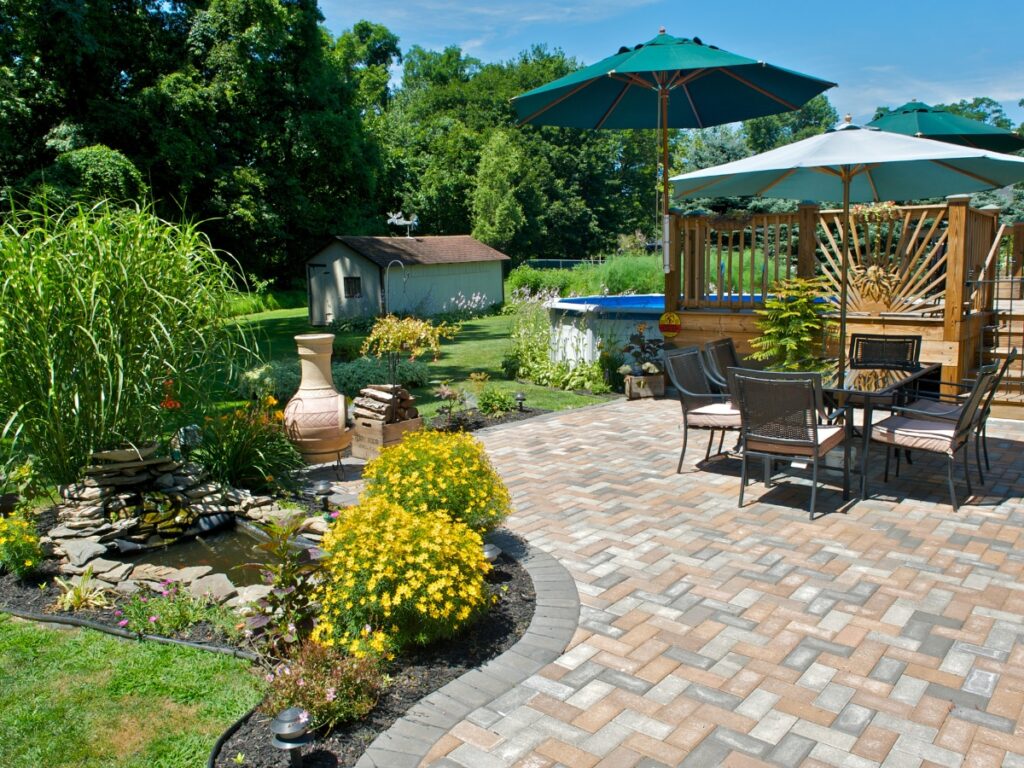
If you are pricing out paver patio cost Georgia homeowners typically see, it helps to know what actually drives the number up or down. Georgia has a few regional factors that affect installation more than people expect, including clay-heavy soil, intense rain cycles, and lots that slope toward the home.
These conditions make base prep and drainage especially important, and they can change your final total even if you choose simple pavers.
Below are the biggest factors that influence paver patio cost Georgia projects, along with why they matter in real backyards.
Site Preparation And Base Depth
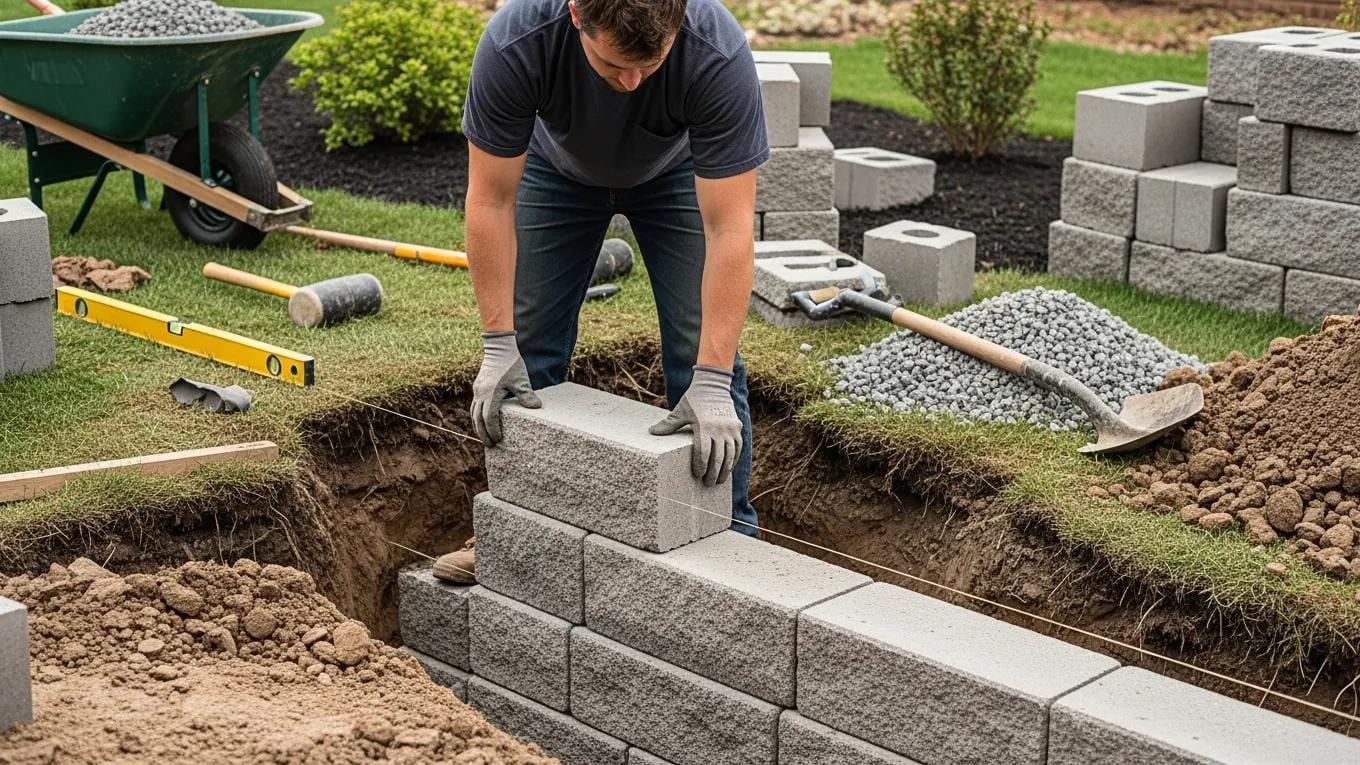
The biggest cost driver, and the one most likely to be skipped in low quotes, is everything underneath the pavers. A properly built base usually includes excavation and removal, a compacted gravel layer, a bedding sand layer for leveling, and edge restraints that lock the patio in place. When any of these steps are rushed, patios are more likely to settle, create low spots, or hold water after storms.
A strong base also helps reduce common long-term issues, such as uneven areas that collect water, shifting that separates joints, and erosion that shows up along edges. If you are comparing quotes, base depth and compaction method are often the clearest indicators of whether the price reflects quality work.
Georgia Clay Soil And Compaction
Many Georgia yards have dense clay soil that holds moisture. That matters because wet clay can expand, contract, and stay soft longer after rain. In practice, this can mean more excavation to reach stable subgrade, more base material to create a firm foundation, and extra attention to grading so water does not sit beneath the patio.
This is one of the reasons paver patio cost Georgia homeowners see can vary from neighborhood to neighborhood. Two patios of the same size may not require the same amount of prep if one yard stays soggy and the other drains well.
Patio Size And Shape
Square footage drives the baseline cost, but shape influences labor. Larger patios can sometimes reduce the per-square-foot cost slightly because crews work more efficiently across a bigger footprint. However, complex layouts can push costs higher even when the patio is not large.
Curves, angles, and cut-ins require more measuring, more cutting, and more time aligning the pattern. Multi-level patios add even more complexity because they require steps, retaining edges, and careful grading to keep surfaces safe and stable. When you are estimating paver patio cost Georgia totals, shape can matter almost as much as size.
Curves And Custom Cuts
Curved edges and intricate shapes often increase waste and install time. More cutting also means more detail work around borders and edge restraints. Even if your square footage stays the same, a patio with a sweeping curve or multiple cut-outs can cost noticeably more than a simple rectangle.
Paver Material Selection
Not all pavers are priced the same, and material choice affects both cost and the overall look. Concrete pavers are common in Georgia because they are durable, widely available, and come in many styles.
Clay brick pavers have a classic look but often cost more. Natural stone tends to be the premium choice, with higher material and labor costs due to weight, thickness variations, and placement skill.
Permeable pavers can also raise the price because they often require a specialized base system. However, they can be a smart option in areas with drainage concerns, which can make the investment worthwhile depending on the property.
Pattern Complexity
The pattern you choose affects labor. Simple layouts such as running bond or stacked patterns typically install faster. More complex patterns like herringbone, basketweave, or multi-size modular layouts take longer to place and often require more cutting, especially near borders. Pattern complexity can increase paver patio cost Georgia projects even when the materials are the same.
Grading And Drainage Requirements
Georgia storms can be intense, and standing water can damage patios and cause problems near foundations. If the yard slopes toward the house or collects runoff, drainage solutions may become a major line item. This can include regrading soil, adding a channel drain or French drain, extending downspouts, or designing the patio to direct water safely away.
Drainage work can raise the initial price, but it often prevents much larger costs later. For many homeowners, it is one of the most practical investments in the entire project.
Demolition And Removal Of Existing Surfaces
Removing old concrete, cracked patios, or large roots adds labor and disposal fees. Hauling costs can vary by location, and demolition can also reveal issues that require additional prep, such as unstable soil or hidden drainage problems. If demolition is part of the scope, it will usually affect paver patio cost Georgia pricing more than people expect.
Extra Features And Upgrades
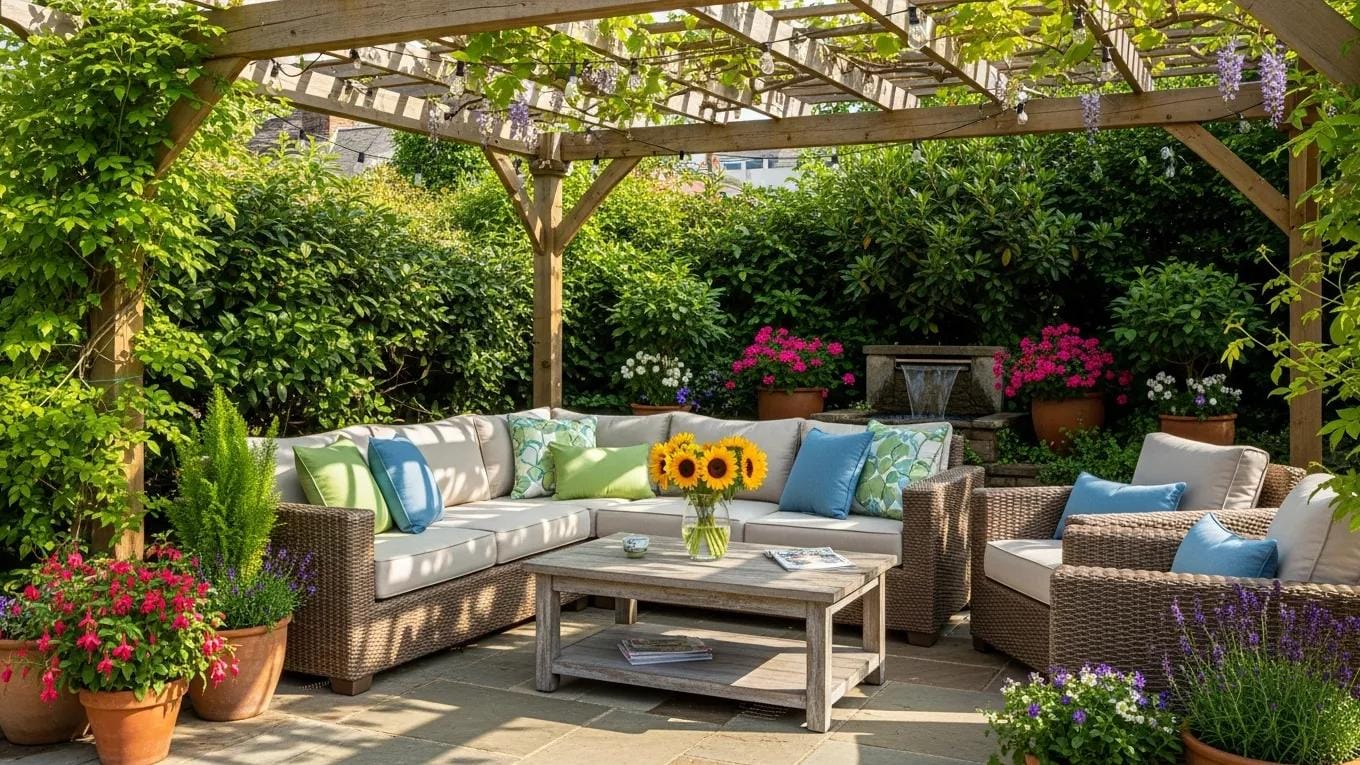
Finally, add-ons can shift the budget quickly. Seating walls, fire pits, steps, built-in planters, lighting, and decorative borders all increase material and labor needs. These features can make the patio feel more complete and usable, but they should be accounted for early so the project does not drift beyond budget.
When you understand these drivers, paver patio cost Georgia estimates become easier to compare. The best quotes usually describe what is included in base prep, how drainage is handled, and what level of design detail the price assumes.
Hidden Cost Items To Ask About In A Georgia Patio Quote

When you are comparing paver patio cost Georgia estimates, the biggest differences are often hidden in the fine print. Two quotes can look similar on the surface, but one may include proper base prep, drainage planning, and long-term protection while the other leaves those items out or treats them as add-ons.
Before you decide based on price alone, it helps to leaving nothing assumed and confirm exactly what is included.
The goal is not to nitpick a contractor. It is to make sure your paver patio cost Georgia quote reflects a patio that will stay level, drain correctly, and hold up through heavy rain and clay soil conditions.
Base Thickness And Compaction Details
Base prep is the foundation of the entire patio, and it is one of the easiest places for a low quote to cut corners. Ask how many inches of base are included and whether that number refers to compacted depth or loose material before compaction. A base that sounds thick on paper can shrink significantly if it is not compacted properly.
It is also smart to ask if the base is compacted in lifts, meaning in layers, rather than all at once. Compaction in layers helps prevent settling later because each lift is tightened before the next one is added. If the crew tries to compact a thick layer all at one time, the top may feel firm while the lower portion stays loose, which can lead to shifting months later.
Finally, confirm what type of base material is used. Quality aggregate that compacts well is not the same as cheaper fill. The wrong material can hold water, break down, or fail to lock together, which can affect long-term stability.
Edge Restraint And Joint Sand
Edge restraints and joint material are small details that do a lot of heavy lifting. Without solid edge restraints, pavers can slowly spread and separate over time, especially in areas with frequent rain and soil movement. Ask what type of edging is included and how it will be anchored.
Some patios use concrete edge restraints, while others use heavy-duty edging systems. Either can work when installed correctly, but the quote should specify what is being used rather than leaving it vague.
Joint sand is another detail that can quietly change the lifespan of the patio. Confirm whether the quote includes polymeric sand or regular sand. Polymeric sand hardens when activated, which can help reduce washout and limit weed growth in the joints.
Regular sand can still work, but it may require more upkeep over time, especially after heavy storms. If you are comparing paver patio cost Georgia estimates, joint sand type is a simple line item that can explain price differences.
Drainage And Grading Scope
In Georgia, drainage can make or break patio performance. Ask whether the quote includes grading to move water away from the patio and the home, and whether downspouts or runoff paths have been considered.
If a yard has known low spots or water flow issues, confirm whether drainage solutions are included or priced separately. A patio that sits in standing water will not stay level for long, no matter how good the pavers look on day one.
Warranty And Long-Term Performance
A cheaper install can become expensive if it needs repairs a year or two later. Ask what is covered, for how long, and whether the warranty includes issues like settling, joint washout, or edge movement.
Also ask what maintenance is expected to keep the warranty valid, since some installers require periodic joint sand touch-ups or basic upkeep.
If you want the most accurate picture of paver patio cost Georgia homeowners should plan for, make sure every quote answers these questions clearly. When the scope is defined, it becomes much easier to compare estimates fairly and choose a patio build that will last.
Concrete Vs Pavers In Georgia: Which Is More Cost-Effective?
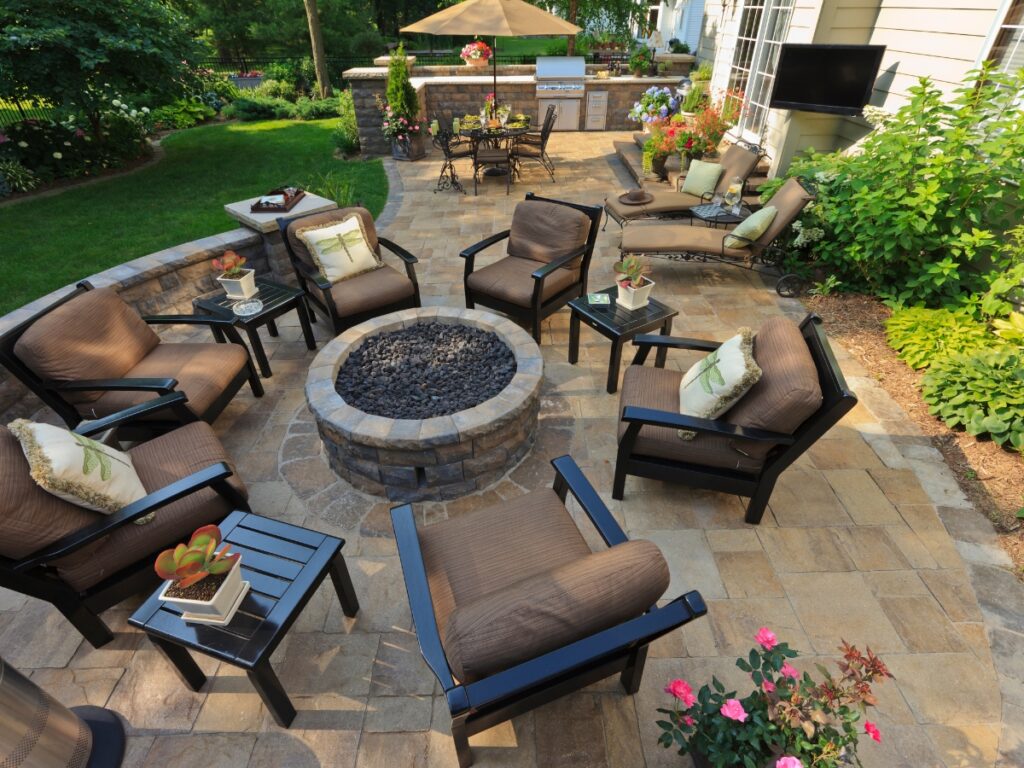
If you are comparing patio options and trying to keep the budget realistic, it helps to look at more than the installation price. In many Georgia projects, the most cost-effective choice depends on how the patio will handle clay soil, heavy rain cycles, and the normal settling that happens in residential yards. That is why the question is not only “Which is cheaper?” but also “Which is likely to stay looking good with fewer expensive fixes?”
For many homeowners researching paver patio cost Georgia estimates, concrete is appealing because it usually comes with a lower upfront number. Pavers often cost more at the start, but they can offer long-term advantages in the conditions Georgia patios deal with.
Why Concrete Often Costs Less Upfront
A basic concrete patio is typically poured as one slab, which keeps the installation process straightforward. When the site is easy to access and the layout is simple, concrete can be installed relatively quickly, which helps control labor costs. Concrete also gives a clean, continuous surface that many homeowners like for outdoor furniture, grills, and everyday use.
The tradeoff is how concrete ages. Over time, cracking is common, especially when soil shifts, water moves under the slab, or temperatures swing season to season. Control joints help, but they cannot prevent all cracks.
Once cracking happens, repairs can be noticeable, particularly if the slab requires patching or partial replacement. Concrete can also develop low spots if the base settles unevenly, which can lead to water pooling and surface wear.
Why Pavers Can Be A Better Long-Term Value In Georgia
Pavers usually come with a higher upfront price because the installation is more labor-intensive. A proper paver patio requires excavation, a compacted gravel base, sand bedding, edge restraints, and jointing material. That prep work is essential for performance, and it is part of why paver patio cost Georgia pricing is often higher than a basic slab.
However, pavers offer advantages that can matter in Georgia. Because the surface is made of individual units, it can flex slightly with minor ground movement. That reduces the chance of long, visible cracking.
If settling occurs, it is often localized and can be corrected by lifting and re-leveling the affected section. Repairs are typically cleaner and less disruptive than concrete repairs, which can involve cutting and patching a slab.
Pavers also tend to boost curb appeal. Patterns, borders, and color blends can make a patio feel more custom, which can add value from a buyer’s perspective. While aesthetics are not the only factor in cost-effectiveness, they do matter if you plan to sell in the future or want the backyard to feel like a finished part of the home.
Which One Is More Cost-Effective?
Concrete often wins on upfront affordability, especially for a simple patio with a basic finish. Pavers often win when you factor in long-term flexibility and the ability to repair small issues without replacing large sections. In Georgia, where clay soil can hold moisture and storms can test drainage, that repairability and adaptability can be a real advantage.
If you are weighing concrete vs pavers and trying to judge paver patio cost Georgia value, consider your yard conditions. If the property has drainage issues, minor soil movement, or areas that stay damp after rain, pavers can be a smart long-term choice when installed with the right base and edging. If your yard is stable and you want a straightforward surface at a lower starting price, concrete can still be a practical option.
How To Keep Paver Patio Cost In Georgia In Budget Without Cutting Corners

If you want a quality patio without watching the budget creep higher and higher, the goal is to save money in the places that do not affect performance. The fastest way to create problems is cutting corners on excavation, compaction, or drainage.
Those are the things that keep a patio stable through Georgia’s clay soil and heavy rain cycles. The smarter approach is to control paver patio cost Georgia homeowners pay by simplifying design choices and planning upgrades strategically, while keeping the base build solid.
Choose A Simpler Layout
Layout has a bigger impact on labor than most people realize. A clean rectangle or square is usually the most cost-efficient shape because it minimizes cutting and speeds up installation. Curves, angles, and complex cut-ins take longer to measure and place, and they create more waste when pavers have to be trimmed to fit.
If you are trying to keep paver patio cost Georgia estimates reasonable, start with a simple footprint and focus on making the space functional. You can still create a high-end look through material choices and finishing details without building a complicated shape.
Use A Standard Paver With A Single Accent Border
A custom look does not require a complicated pattern. One of the most budget-friendly upgrades is pairing a standard paver field with a single accent border. The main surface stays simple and quick to install, but the border adds definition and a more finished feel.
This approach can also help tie the patio into other elements of the yard, such as a walkway or a future seating area. When you are balancing appearance and price, a border is often a better value than an intricate pattern across the entire patio.
Color choices matter here too. Sticking to one main color with a subtle contrasting border usually looks intentional without becoming visually busy. It also helps with sourcing and matching, which can keep costs and delays down.
Build In Phases
Phasing is one of the easiest ways to manage paver patio cost Georgia projects without sacrificing quality. Start with the patio itself, built correctly with the right base depth, edge restraints, and grading. Once the main surface is finished, you can add features over time based on budget and how you actually use the space.
Many homeowners think they need everything at once, but real-world use often changes plans. You might discover that you want a larger dining area and less lounge space, or that lighting matters more than a fire feature. By building in phases, you can avoid paying for upgrades you might not prioritize later. It also lets you spread out costs while still getting a patio you can enjoy immediately.
Optimize Size Without Losing Function
Patio size is one of the most direct drivers of cost, so small adjustments can make a noticeable difference. Even trimming forty to eighty square feet can reduce materials and labor enough to bring a project back into budget. The key is to reduce size strategically rather than ending up with a patio that feels cramped.
A helpful way to avoid overbuilding is to plan around real furniture footprints. Sketch out where a table, chairs, grill, or seating set would go, and include comfortable walking space around each zone. If the layout feels generous on paper, you may be able to reduce the overall footprint without losing usability.
When homeowners are trying to manage paver patio cost Georgia estimates, optimizing size is often the most effective change because it reduces the budget while keeping build quality intact.
If you focus savings on design simplicity, phased upgrades, and right-sized planning, you can keep paver patio cost Georgia homeowners pay in a manageable range without sacrificing the foundation that makes the patio last.
What A Quality Paver Patio Installation Should Include
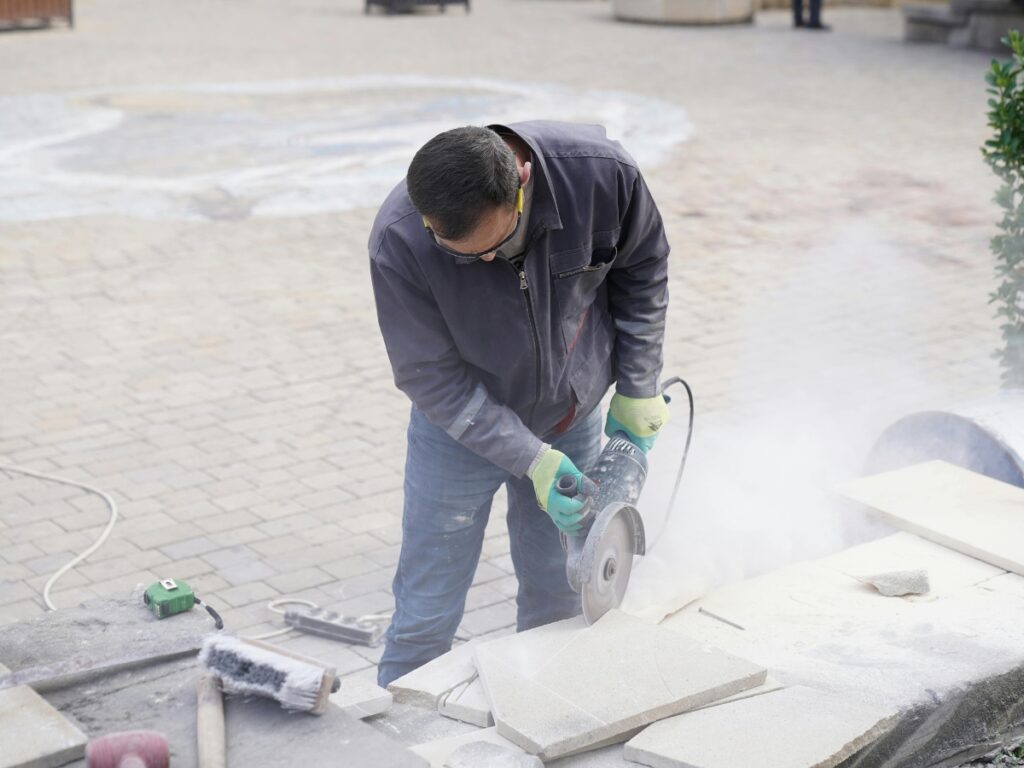
When you are comparing estimates and trying to understand paver patio cost Georgia homeowners typically pay, it helps to know what “quality installation” actually includes.
A paver patio is not just the visible surface. The real performance comes from the prep work, the base build, and the finishing steps that lock everything together. If any of those steps are skipped or rushed, the patio may look fine at first but shift, settle, or hold water after the first heavy rain season.
A solid installation process is also what makes quotes easier to compare. Two contractors can price the same square footage very differently because one is including the right prep and the other is not. If you want your paver patio cost Georgia budget to translate into a patio that lasts, the scope should include the key elements below.
Proper Excavation Depth
Excavation is the start of everything. The area needs to be dug to the correct depth so there is room for base material, leveling sand, and the pavers themselves. Shallow excavation is one of the most common shortcuts in low bids, and it often leads to settling later. The goal is not simply to dig and fill, but to reach a stable subgrade and create a consistent foundation across the entire patio area.
Compacted Aggregate Base
A quality paver patio depends on a compacted aggregate base, typically built in layers. Compaction matters because it reduces future settling and helps the patio distribute weight evenly. A properly compacted base also supports drainage by allowing water to move through the layers rather than sitting in one spot. In Georgia, where clay soil can hold moisture, this base layer is especially important for long-term stability.
Correct Grading Away From Structures
Drainage is a performance issue, not just a comfort issue. A patio should be graded so water runs away from the house and does not pool near foundations, doors, or low areas. This grading should be planned before pavers go down, not “fixed” after the fact. If the quote does not mention grading, that is a red flag, especially for homeowners researching paver patio cost Georgia projects in yards that already collect water.
Edge Restraints To Prevent Shifting
Edge restraints keep pavers from spreading outward over time. Without them, joints can open up, borders can drift, and the patio can lose its crisp lines. A quality installation includes proper edge restraints anchored securely so the patio stays tight, even with temperature changes, foot traffic, and seasonal weather.
Joint Stabilization And Sand
Joint material is what locks pavers together and reduces movement between units. Many installers use polymeric sand because it hardens when activated and helps limit washout and weed growth. Regular joint sand can still be used in some projects, but it typically requires more maintenance, especially after heavy rain. Since joint material affects longevity, it is worth confirming what is included in the scope when comparing paver patio cost Georgia quotes.
Final Compaction And Cleanup
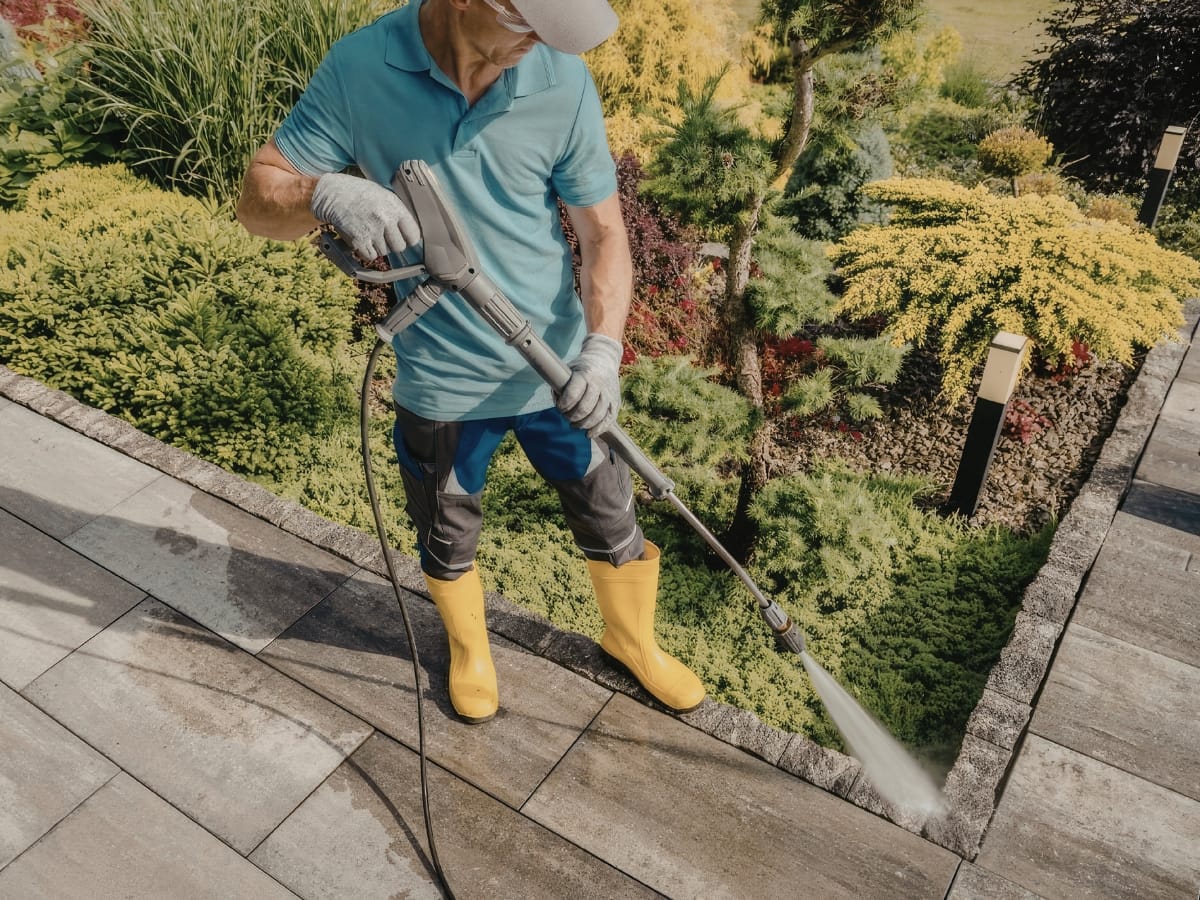
After pavers are set and joints are filled, the surface should be compacted again to seat the pavers and settle the joint material. This final compaction step helps prevent unevenness and creates a more stable finished surface. Cleanup matters too. Excess sand should be removed, edges should be tidy, and the site should be left in usable condition, not as a construction zone.
When evaluating contractors, you want more than a number. You want a process. A clear installation scope is one of the best signs that your paver patio cost Georgia estimate is based on a patio that will hold up, look good, and drain correctly for years.
Get an Accurate Paver Patio Cost Quote in Georgia
The true paver patio cost in Georgia depends on your patio size, paver style, base prep, and whether your property needs grading or drainage work. A well-built patio should look great and perform for years—especially in Georgia’s clay soil and rainy seasons.
If you want a clear, itemized estimate and design guidance tailored to your yard, contact JR Artisan at (404) 516-5876 today. JR Artisan can help you choose the right paver style, layout, and installation approach to match your budget and your home’s outdoor goals.