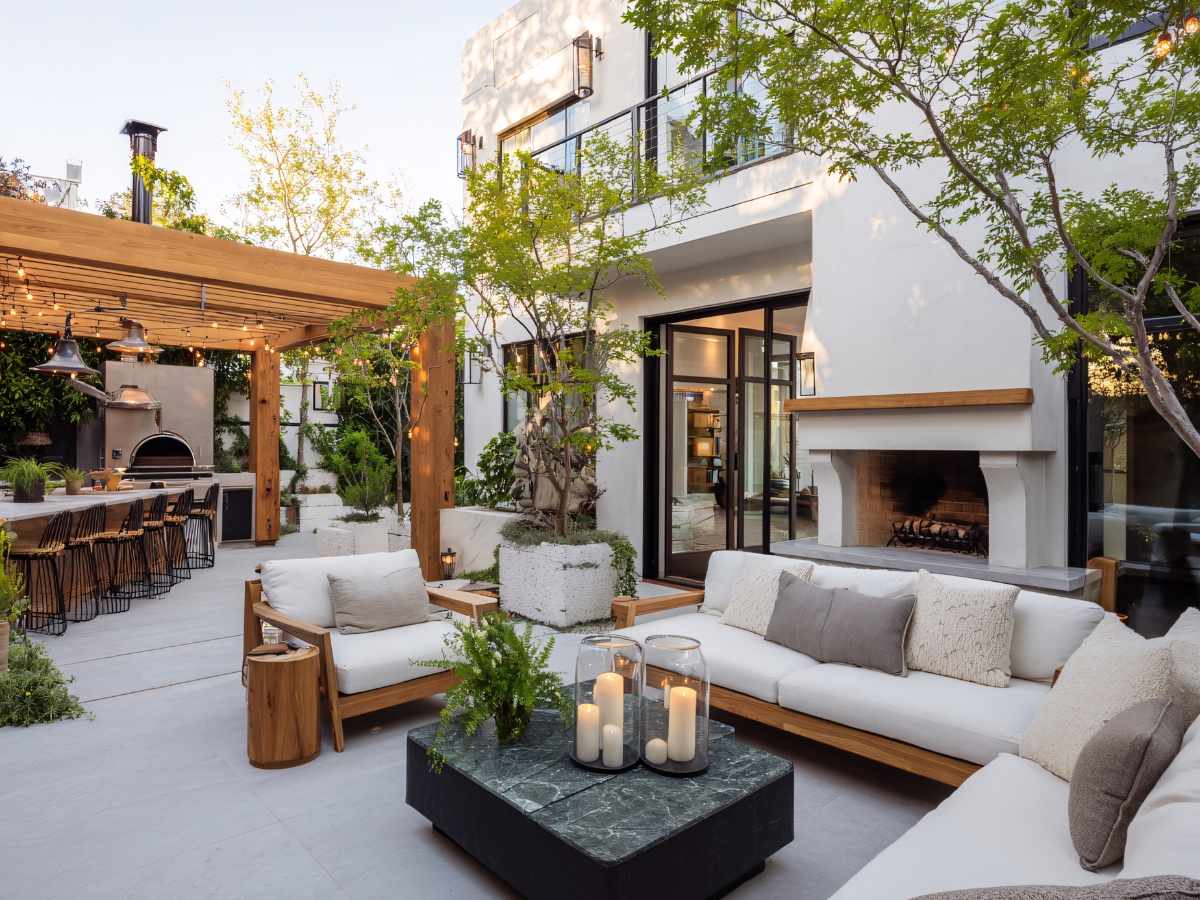
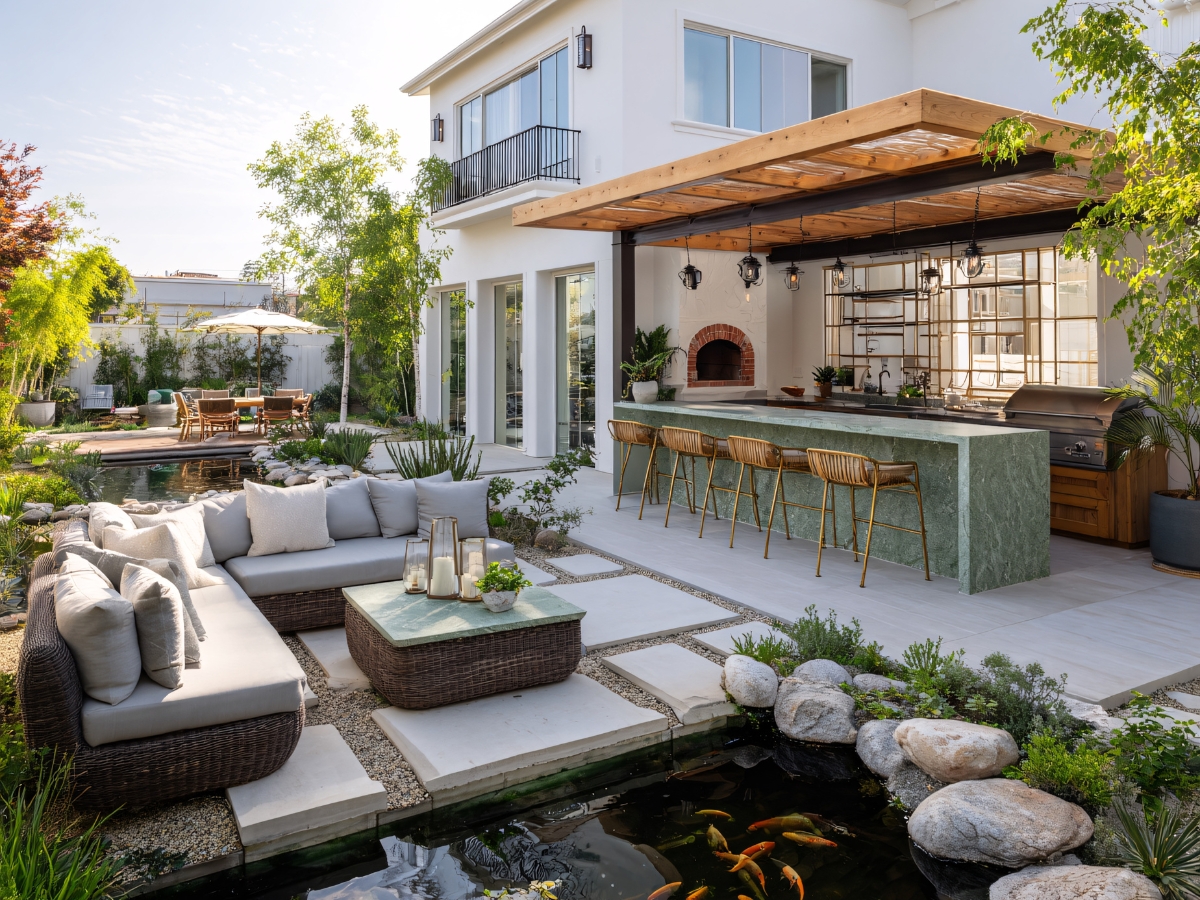
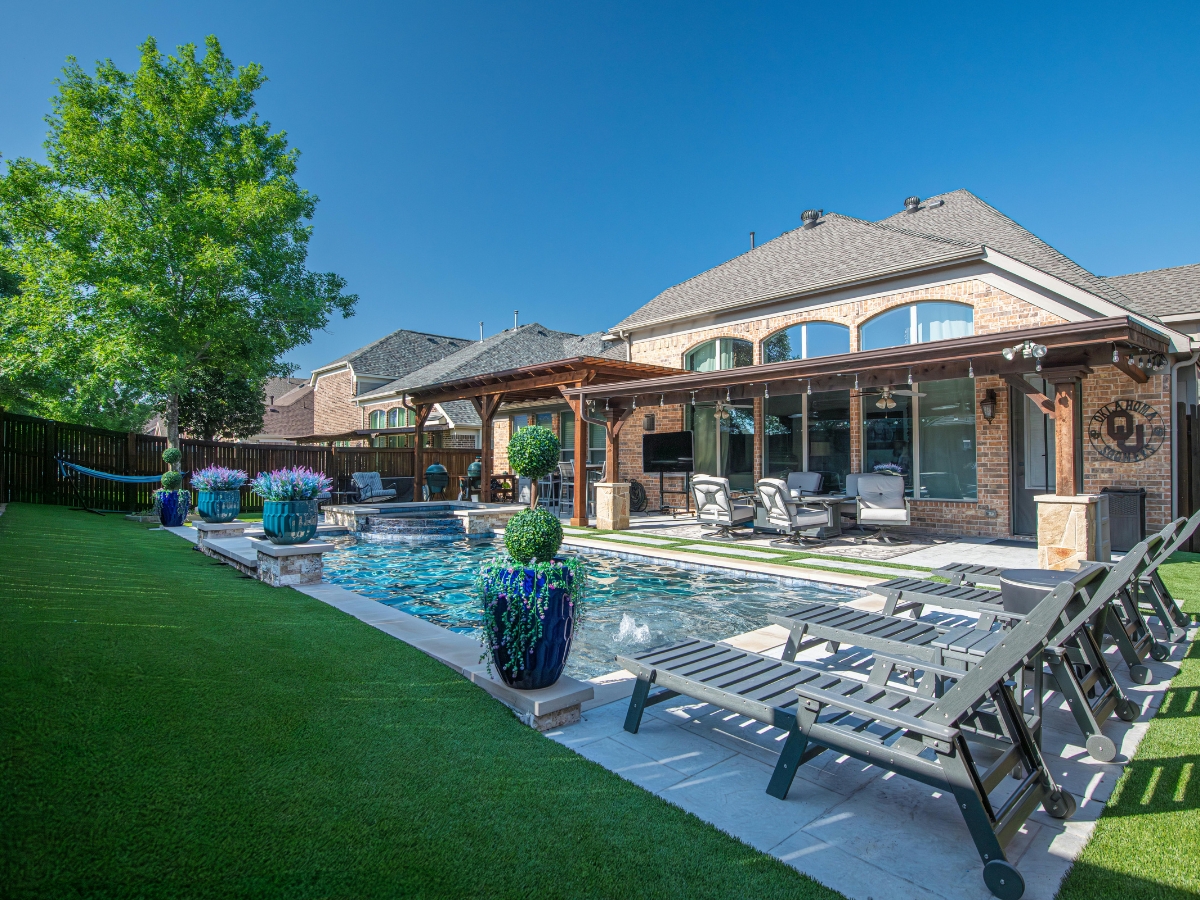
Incorporating strategic hardscaping into your backyard is a transformative approach that adds lasting beauty, practical function, and measurable value to your outdoor living space.
From elegant paver patios and cozy fire pits to defined pathways and stylish retaining walls, these permanent structures create defined zones for entertainment, relaxation, and everyday enjoyment.
This guide explores inspiring hardscaping ideas for backyard to help you reimagine your backyard, blending materials and design to build a custom oasis that enhances your lifestyle and boosts your property’s appeal.
Hardscaping Ideas for Backyard Projects Worth the Cost
What Is Hardscaping (and Why It Matters in Your Backyard)?
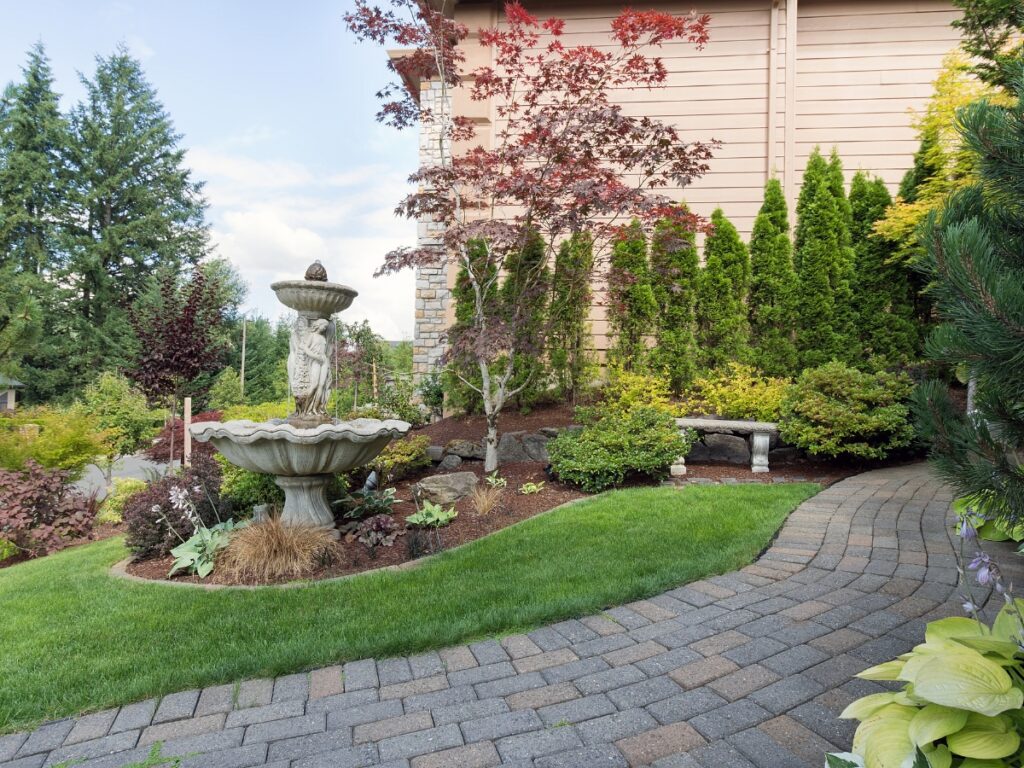
Hardscaping refers to the built, non-living elements in an outdoor space. It includes the surfaces and structures that shape how you move through a yard and how you use it day to day. While landscaping focuses on plants and soil, hardscaping creates the foundation that makes outdoor areas feel organized, functional, and easier to maintain.
Common Hardscaping Features In A Backyard
Many backyard upgrades fall under hardscaping because they are permanent or semi-permanent structures. Patios and pavers are some of the most popular because they create a reliable surface for seating, dining, and entertaining.
Walkways and stepping stones help guide foot traffic and keep people from cutting across grass or tracking dirt into the house. Retaining walls and garden walls can define spaces, support sloped areas, and help prevent erosion.
Outdoor kitchens and grilling stations are another common hardscaping feature, especially for homeowners who like to cook and host outside. Fire pits, fireplaces, and seating walls can create a central gathering space that makes the yard feel more inviting.
Pergolas and similar structures are often considered hardscape-adjacent because they are built elements that add shade and define a patio area. Drainage solutions like dry creek beds also fall into this category because they manage water flow while adding visual structure to the yard.
Why Hardscaping Matters For Usable Outdoor Space
Hardscaping matters because it increases how much of the yard you can actually use. A patio creates a space that works in more seasons than grass alone, and a walkway makes it easier to move through the yard without creating muddy paths.
When these areas are designed intentionally, the backyard feels larger because it has clear zones for relaxing, dining, and gathering.
Hardscaping also improves flow. Instead of an open yard that feels undefined, paths and surfaces guide movement and make the space feel planned. This is especially helpful for homes where the backyard is used often, since daily foot traffic can wear down grass and lead to messy areas.
How Hardscaping Helps With Mud, Drainage, And Erosion
Many homeowners turn to hardscaping to solve practical problems. Pavers, stone, and grading improvements can reduce muddy areas and protect the lawn from heavy use. Retaining walls can stabilize slopes and keep soil from shifting, which is important in yards where erosion causes uneven ground or drainage issues.
Dry creek beds and other drainage-focused features can guide water away from the home and prevent pooling. When water has a clear path, it reduces the risk of damage to landscaping, foundations, and outdoor surfaces.
How Hardscaping Can Boost Curb Appeal And Value
Hardscaping can improve curb appeal because it adds clean lines and a finished look. Defined outdoor areas tend to photograph well and create a strong first impression. Many buyers also like hardscaping because it can reduce maintenance compared to large lawn areas and make the yard feel move-in ready.
How To Choose The Best Hardscaping Ideas For Your Backyard
The best hardscaping ideas for backyard spaces start with function first. Think about how you want to use the yard, whether that means hosting friends, creating a quiet spot to relax, or making movement easier between the house and different areas.
Once you know the purpose, you can choose materials and layouts that match the style you want and fit the space naturally.
Before You Build: Backyard Hardscaping Planning Tips That Save Time And Money
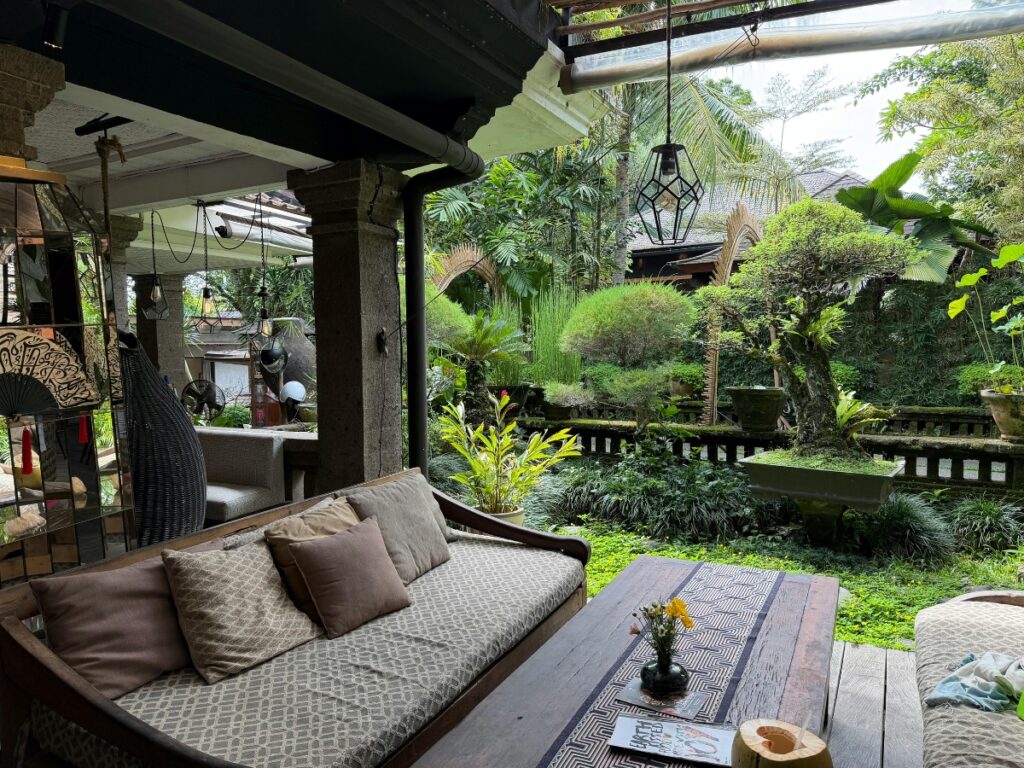
Hardscaping projects can transform a backyard, but the planning stage is what determines whether the final result feels effortless or full of compromises. Many expensive mistakes come from skipping the basics, like not thinking through how the space will be used or ignoring slope and drainage until after materials are installed.
If you want hardscaping that holds up over time and looks intentional, a little prep work upfront can save time, reduce rework, and help you spend money where it actually matters.
The goal is not to overthink every detail. It is to make a few smart decisions early so the rest of the hardscaping process runs smoother, from layout to material choices to long-term maintenance.
Start With How You Will Use This Space
The fastest way to make hardscaping decisions easier is to define what the backyard needs to do for you. A patio built for hosting will look very different from a yard designed for kids and pets.
Before you think about pavers, walls, or outdoor kitchens, narrow your focus to a few core uses. Most households have two or three main priorities, and identifying them helps guide size, layout, and which features are truly worth the investment.
If entertaining is a top priority, you may need enough space for a table, clear walking paths, and lighting that makes the area usable in the evening. If relaxing is the goal, a smaller seating zone with shade and privacy might make more sense than a large patio.
For families with kids or pets, durable surfaces and defined pathways can help reduce mud and wear. If you enjoy gardening, hardscaping might focus on edging, raised beds, and access paths that keep the yard functional without trampling plants.
When you start with real-life use, hardscaping choices become clearer and you avoid building features that look nice but rarely get used.
Map Sun, Shade, Slope, And Drainage
A hardscaping layout should follow the yard’s natural conditions, not fight them. Sun exposure affects comfort, furniture placement, and how often you will actually use the space. Take note of where the sun hits at midday versus late afternoon, especially in the warmer months. A patio that bakes all day can feel unusable without shade planning, while a shaded corner may be perfect for a lounge area.
Drainage matters just as much. Even the nicest hardscaping can fail if water pools around it or runs toward the home. Look for low spots that collect water after rain and pay attention to how runoff currently moves through the yard. Identify sloped areas that may need grading or a retaining wall.
Notice where downspouts discharge and whether water is being directed toward walkways, patios, or the foundation. These observations help you plan for proper pitch, drainage solutions, and materials that can handle moisture without shifting or sinking.
Choose A Style Direction
Hardscaping looks more polished when it has a consistent style. You do not need to follow a strict theme, but it helps to choose a direction so decisions do not feel random as the project grows.
Picking a few style keywords can keep materials and shapes cohesive, whether you lean modern with clean lines, rustic with natural stone, traditional with brick and symmetry, or lighter coastal tones with gravel and simple borders.
Once you commit to a general look, choices become easier. You will be able to narrow down paver colors, wall finishes, and lighting styles without second-guessing every detail.
More importantly, cohesive hardscaping tends to age better. It feels like it belongs with the home and the landscape instead of looking like separate projects added over time.
Planning may not be the most exciting part of hardscaping, but it is where you protect your budget and your timeline. When you start with how you will use the space, respect the yard’s sun and drainage patterns, and choose a style direction early, you set the project up for a cleaner build and a finished result you will actually enjoy using.
15 Hardscaping Ideas For Backyard Spaces With Real-World Use Cases
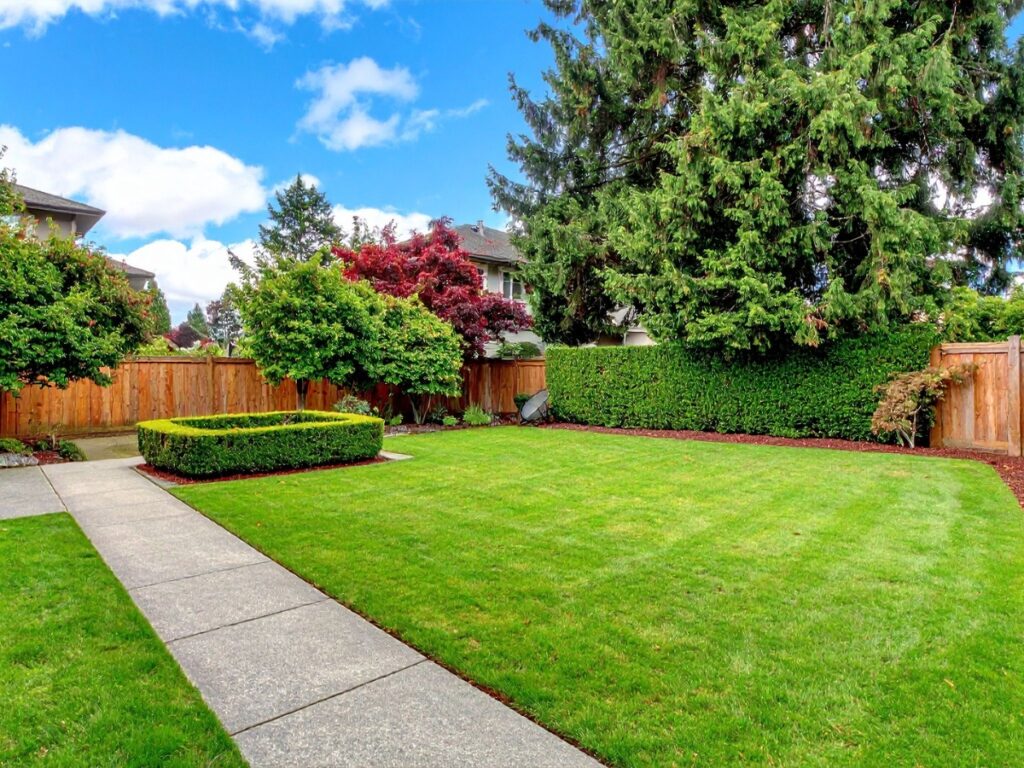
Hardscaping is what turns a backyard into a space you actually use. A yard can have beautiful landscaping, but without solid surfaces, clear pathways, and well-placed structures, it often feels unfinished. The best hardscaping ideas for backyard spaces start with how you live.
Do you host often, need kid-friendly durability, or want a quiet spot to unwind after work? When hardscaping is chosen with real needs in mind, it improves flow, reduces mud, and adds outdoor “square footage” that holds up in every season.
Below are hardscaping ideas you can mix and match. Some focus on comfort and entertaining, while others solve common issues like slopes and drainage.
1) Paver Patio For A Low-Maintenance Outdoor Living Room
A paver patio is one of the most versatile hardscaping upgrades because it creates a finished surface for dining, lounging, and even a fire feature. It also adapts well to different styles, from clean modern layouts to more rustic stone looks. If you want a backyard that feels like an extension of the house, this is often the starting point.
In real life, patios feel smaller once furniture is added, so many homeowners are glad they built slightly larger than planned. A little extra space helps with chair pull-out room, walking paths, and gathering without everyone crowding the same spot.
2) Multi-Level Patios To Separate Zones
If your yard slopes, or you want clear separation between dining and lounging, multi-level patios can solve both problems. Two tiers can create a natural flow, with one level for a table and another for seating or a fire pit. This type of hardscaping also adds dimension, which tends to make the backyard feel higher-end without needing a huge footprint.
This setup is especially useful when the yard drops away from the house. Instead of fighting the grade, the hardscaping works with it and creates more usable space.
3) Gravel Lounge Area For Budget-Friendly Style
Gravel can look polished when it is installed with clean edging and paired with comfortable seating. It is often more budget-friendly than full pavers and works well for modern, rustic, and cottage-style yards.
A gravel lounge area is also a smart way to create a “destination” in the backyard without committing to a large slab or full patio build.The key is a solid base and proper edging. Without those, gravel shifts, spreads, and becomes frustrating to maintain.
4) Stepping Stone Pathways Through The Yard
Stepping stones add structure and solve the classic “goat trail” problem where grass wears down in the same walking line. This hardscaping idea works well for connecting zones like patio to garden, shed, play area, or pool. It makes the yard feel intentional, even when the rest of the landscaping is simple.
For cohesion, repeat the same stone shape or material elsewhere, such as near a seating area or as edging.
5) Full Walkways With Pavers Or Flagstone For All-Weather Access
If you are tired of muddy shoes, a defined walkway is one of the most practical hardscaping upgrades you can make. Pavers and flagstone provide stable footing and help guide traffic through the yard, especially during rainy seasons or in areas where the lawn stays damp.
Subtle pathway lighting is a small addition that makes a big difference. It improves safety at night and gives the entire yard a more finished look.
6) Retaining Wall To Level Space And Prevent Erosion
Retaining walls are often necessary in sloped yards, but they can do more than hold back soil. This hardscaping feature can create terraces for planting, level areas for seating, and cleaner transitions between yard zones. It also helps prevent erosion and can redirect water away from trouble spots.
If you want extra function, consider capstones wide enough for casual seating. It is an easy way to get more use out of the structure.
7) Seating Wall That Replaces Extra Furniture
A seating wall adds built-in seating that does not need to be stored or rearranged. It works well around fire pits, along patio edges, or in smaller yards where bulky furniture eats up space. As a hardscaping element, it also helps define the layout, creating clear boundaries and a more organized feel.
For a unified design, match the wall materials to your patio or walkway so the elements feel connected.
8) Fire Pit Patio For A Year-Round Backyard Feature
A fire pit creates a reason to use the yard beyond summer. When paired with a defined surface like pavers or gravel, it becomes a true gathering spot rather than a fire ring sitting in the grass. This hardscaping idea is especially popular for families and anyone who wants relaxed, low-effort evenings outside.
Plan for safety by allowing space between the fire area and nearby structures, and keep clearance from overhanging branches.
9) Outdoor Fireplace As A Focal Point
An outdoor fireplace brings more visual impact than a fire pit and can anchor the entire backyard design. It works best in larger layouts where there is room for seating, circulation, and a clear sightline from the house. If you want hardscaping that feels like a centerpiece, this is one of the strongest options.
Centering the fireplace on a main view line, like the back door or living room windows, helps the yard feel balanced.
10) Outdoor Kitchen Or Grill Station
An outdoor kitchen can be simple or elaborate, but even a basic built-in grill surround improves convenience. It keeps cooking organized, reduces trips inside, and makes hosting feel smoother. As a hardscaping element, it also adds permanence and value to the backyard.
Prep counter space and storage are often what make the setup feel truly functional. Durable surfaces are worth prioritizing since this area gets heavy use.
11) Pergola With A Hardscape Base For Shade And Definition
Pergolas feel more finished when they sit on a clean hardscape base, such as pavers, stone, or concrete. This pairing defines a dining zone and adds shade without enclosing the space. It also creates a visual “room” outdoors, which is one of the most effective hardscaping strategies for making a backyard feel designed.
Comfort upgrades can include a shade canopy or a fan, depending on the climate and exposure.
12) Water Feature With Stone Surround
A small bubbling fountain or pondless water feature adds sound and calm, which can make a yard feel more relaxing. Stone or paver surround helps it blend into the overall hardscaping, rather than looking like a standalone item placed on the lawn.
If you want low maintenance, keep the design simple and easy to access for cleaning.
13) Garden Borders And Edging For A Clean, Finished Look
Edging is an underrated hardscaping detail because it makes the entire yard look sharper. Clean borders keep mulch in place, prevent grass creep, and help garden beds look intentional instead of messy. It is also one of the easiest upgrades to add without rebuilding the whole yard.
Stone, brick, metal edging, and paver borders all work. The best choice depends on the style of the home and the other materials in the yard.
14) Raised Planters Built From Block Or Stone
Raised planters add structure and improve soil control, especially for vegetables and herbs. They also create clean lines, which is why this hardscaping idea is popular in modern landscapes. Another benefit is comfort. Raised planters reduce bending and can make gardening easier over time.
They can also be used for privacy planting when placed strategically along property edges or near seating areas.
15) Dry Creek Bed For Drainage That Looks Like Design
If water moves through your yard, a dry creek bed can turn a problem into a feature. This hardscaping solution uses river rock, stone, and gentle curves to guide runoff while adding texture and visual interest. It is especially useful in yards with erosion issues or low spots that collect water.
For a natural look, add a few larger boulders and ornamental grasses along the edges. Done well, it looks like part of the landscape design rather than a patch.
Hardscaping is most effective when it supports how you want to live outside. Whether you start with a patio, solve drainage issues, or add a fire feature, the best hardscaping ideas create structure, reduce maintenance headaches, and make the backyard feel like a space you will actually use.
Best Materials For Backyard Hardscaping Pros And Considerations
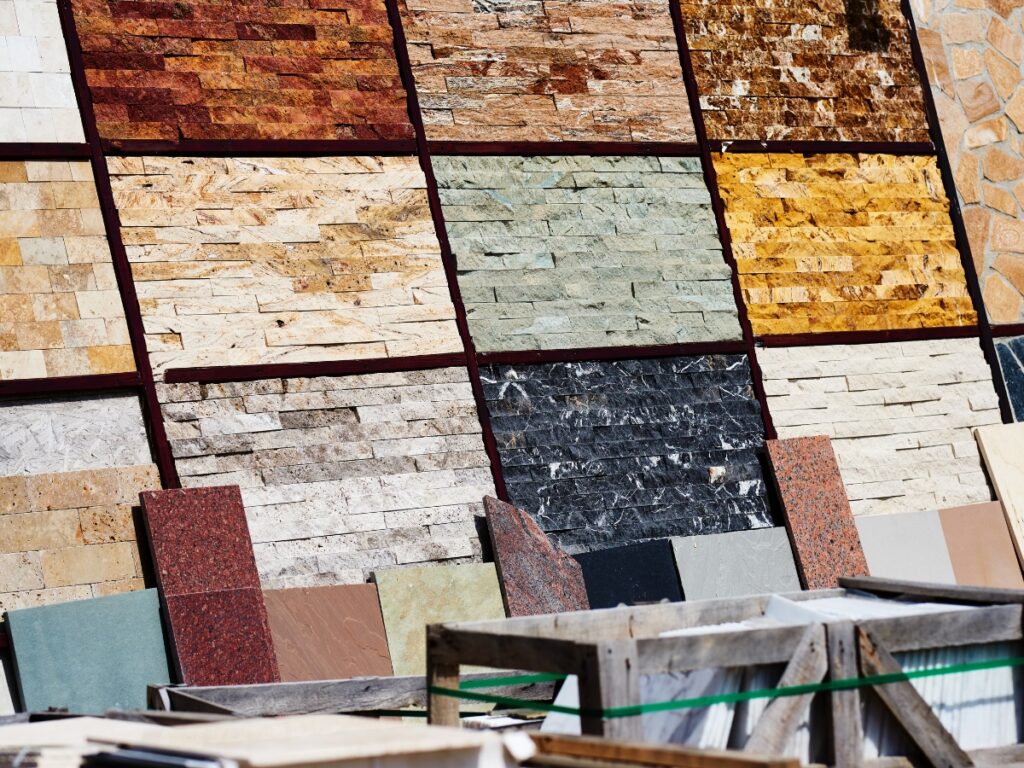
Choosing materials is one of the biggest decisions in hardscaping because it affects cost, maintenance, and how the backyard holds up over time. The right choice depends on how you plan to use the space, your climate, and the look you want.
Some materials are ideal for high-traffic areas and outdoor entertaining, while others work better for pathways, lounge zones, or drainage-friendly designs. When you match the material to the job, hardscaping tends to last longer and feel more intentional.
Concrete Broom Finish Or Stamped
Concrete is a popular hardscaping option because it creates a clean, durable surface at a relatively approachable price. A broom finish adds light texture for slip resistance, which is helpful around pools or on walkways.
Stamped concrete is often chosen when homeowners want the look of stone or pavers without installing individual pieces. It can work well for larger patios where you want a seamless surface for furniture.
The biggest consideration with concrete is cracking. Small cracks can happen over time due to settling and weather, which is why installation quality matters.
Proper base preparation, reinforcement, and control joints help reduce issues. If you want hardscaping that is low maintenance and easy to clean, concrete is often a strong fit, especially for simple patio layouts.
Pavers Concrete Or Clay Brick
Pavers are a favorite in hardscaping because they combine durability with design flexibility. They work for patios, walkways, and driveways, and they come in many colors and patterns.
One practical advantage is repairability. If a section shifts or a paver gets stained or damaged, you can replace individual pieces instead of tearing out a whole slab. That makes pavers appealing for long-term value.
The main consideration is the base. Pavers require proper excavation, compacted gravel, and edge restraints to prevent shifting. When corners are cut during installation, pavers can settle unevenly or develop gaps. Done correctly, pavers deliver a premium look and hold up well in changing weather.
Natural Stone Flagstone Bluestone Fieldstone
Natural stone brings a timeless, high-end look to hardscaping because no two pieces are exactly the same. Flagstone and bluestone are popular for patios and paths, while fieldstone is often used for walls and borders. Stone creates organic texture and variation, which can make a backyard feel more established and custom.
The tradeoff is cost and labor. Natural stone is typically more expensive than concrete or standard pavers, and it often requires skilled placement to avoid uneven surfaces and awkward gaps. If your priority is a one-of-a-kind finish and you have room in the budget, natural stone can be worth it.
Gravel And Decomposed Granite
Gravel and decomposed granite are flexible hardscaping materials that work well for pathways, small patios, and lounge areas. They are often more budget-friendly, provide good drainage, and allow you to shape curves and organic layouts without complex cuts. These materials are also useful in yards where water needs to move through the surface rather than pool.
The main considerations are containment and upkeep. Gravel needs edging to keep it from spreading, and most surfaces require occasional raking and top-offs. For many homeowners, that small maintenance tradeoff is worth it for the cost savings and drainage benefits, especially in areas where muddy spots are a constant problem.
Backyard Hardscape Design Mistakes To Avoid
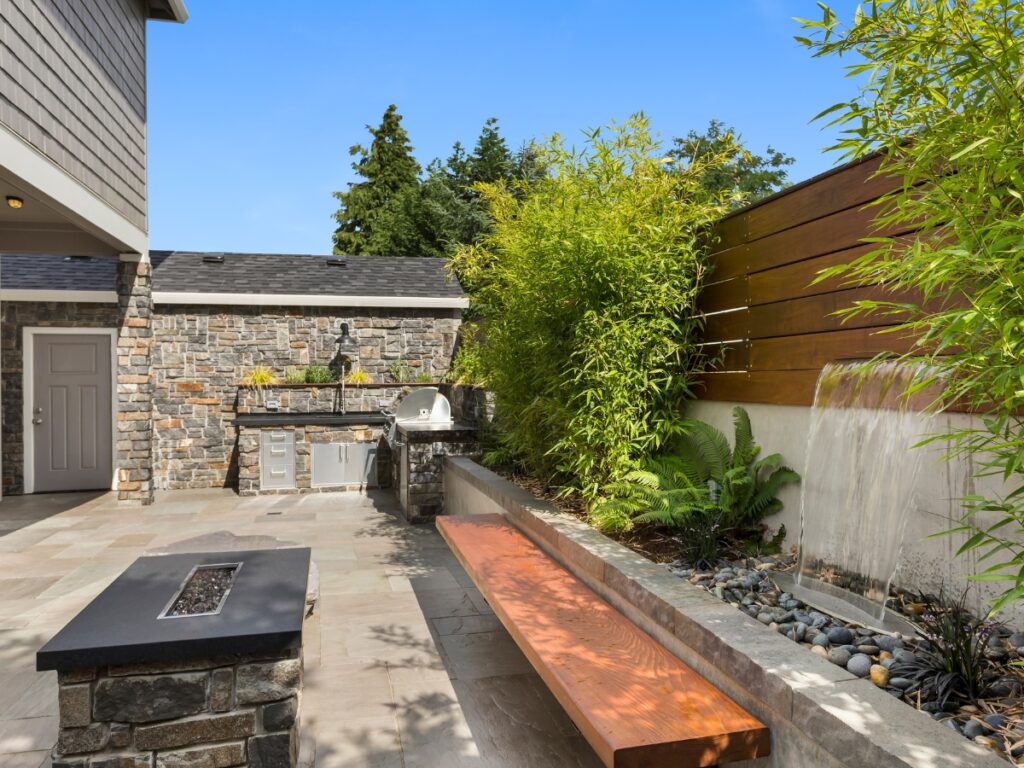
Hardscaping can completely change how a backyard looks and functions, but small design mistakes can lead to big frustrations later. Many issues are not about the materials themselves. They come from sizing, layout, and overlooking how the yard behaves in real weather and real daily use. If you want hardscaping that feels finished and holds up over time, it helps to know the most common missteps before you start building.
Undersizing The Patio
One of the most common hardscaping mistakes is building a patio that looks fine on paper but feels cramped in real life. Furniture takes up more room than most people expect, especially once you include chair pull-back space and walking paths.
A table that seats six can quickly swallow a small patio, leaving no comfortable way to move around it. The same is true for outdoor sectionals, lounge chairs, and fire pit seating.
If you entertain even occasionally, plan the patio around how you will actually use it. Think about where people will stand, where doors will open, and how traffic will flow between the house and the yard.
Many homeowners wish they had added a little more width or depth, because patios tend to feel smaller once everything is in place. Getting the footprint right at the beginning is easier than trying to expand later.
Ignoring Water Flow
Hardscaping and drainage go together. A great-looking patio, walkway, or retaining wall can fail quickly if water is not managed correctly. Poor grading can cause pooling, shifting pavers, stained surfaces, and even water moving toward the foundation.
These are not cosmetic problems. They can lead to repairs that cost more than doing it correctly the first time.
Before installing hardscaping, pay attention to where water currently goes during heavy rain. Look for low spots, runoff paths, and downspout discharge points.
Planning for proper slope and drainage solutions from day one helps protect the finished project and keeps the yard more usable after storms.
Skipping Edging And Transitions
Edging and transitions are what make hardscaping look clean and intentional. Without crisp borders, gravel spreads, pavers drift, and planting beds look messy.
Steps and height changes also need to feel natural. A patio that ends abruptly in the lawn or a walkway that meets a surface without a clean transition can make the whole project feel unfinished.
Good hardscaping includes clear edges, stable borders, and smooth connections between surfaces. These details do not have to be flashy. They just need to be consistent, sturdy, and well-placed so the space feels designed instead of pieced together.
Choosing Too Many Materials
Mixing materials can add character, but too many surfaces and colors usually make a backyard feel busy. When hardscaping includes multiple paver styles, different stone types, and competing tones, the result often looks mismatched. It can also make future updates harder, since you are trying to match several existing elements.
A simpler approach is usually more effective. Limiting the design to two or three main materials or color families keeps the space cohesive. It also makes the yard feel more finished, especially when the materials repeat across patios, walkways, borders, and walls.
How To Combine Hardscaping Ideas For Backyard Spaces Into One Cohesive Plan
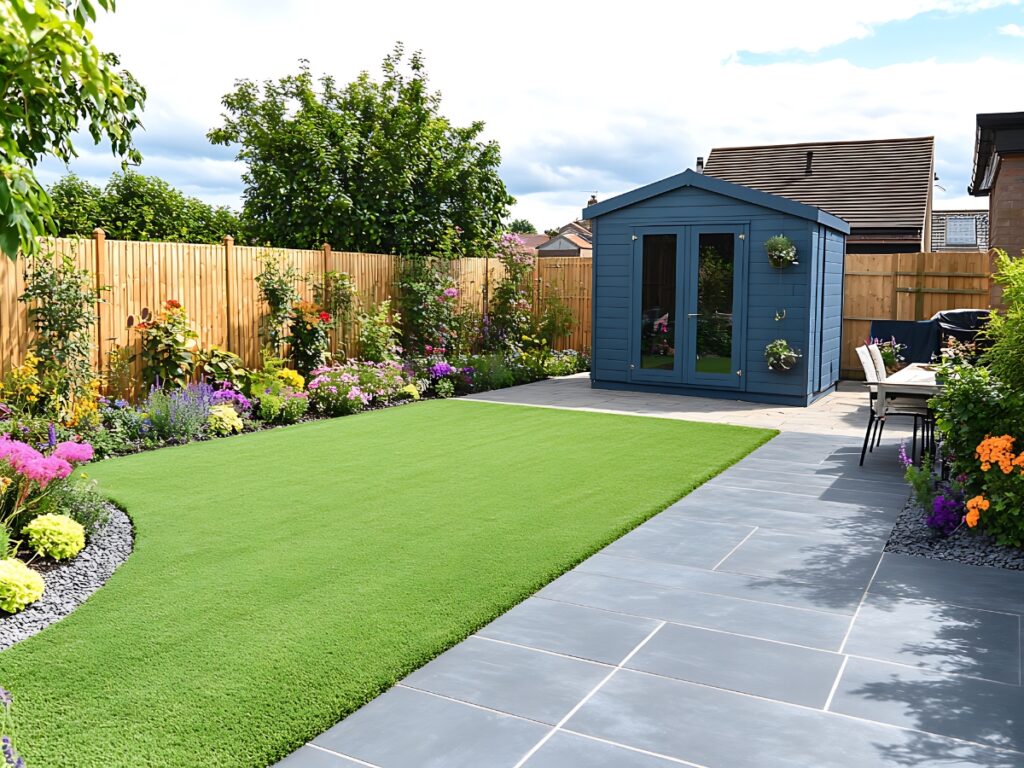
The best hardscaping projects do not feel like a collection of separate upgrades. They feel like one complete outdoor space, with clear flow, purpose, and a design that makes sense from every angle.
If you are looking at a long list of hardscaping ideas for backyard spaces and wondering how people make it all work together, the answer is usually layering. A cohesive plan is built in stages, starting with the main function of the yard and adding supporting features that guide movement and define zones.
A simple way to plan hardscaping is to start with a primary surface, then build outward. Most backyards benefit from one main patio, because it creates a stable foundation for daily use.
Pavers and concrete are common choices since they support furniture, grilling, and gatherings without turning into a muddy mess after rain. This main patio becomes the anchor, and once it is placed correctly, it is much easier to decide where everything else should go.
Next, connect the space. A walkway is not just a path, it is what makes the yard feel intentional. When a walkway links the patio to key areas like a gate, driveway, garden, shed, or pool, the backyard becomes easier to use and more comfortable to walk through in all weather.
This is where many hardscaping plans improve quickly, because movement starts to feel natural instead of improvised.
After the main patio and pathway, add one secondary destination. This can be a fire pit area, a pergola lounge, or a small garden seating zone. The purpose of a destination feature is to give the backyard a second “room” so the space feels larger and more functional.
It also creates a focal point, which makes the overall hardscaping design look more finished. Even in smaller yards, a destination zone can work if it is sized appropriately and kept visually connected to the main patio.
Structure is what ties everything together. Walls, borders, and edging create clean lines and prevent the space from feeling scattered. A low retaining wall can define a patio edge, manage a slope, or create a planting terrace.
Edging keeps gravel contained, sharpens garden beds, and gives walkways a more polished look. These details often make the difference between hardscaping that looks professional and hardscaping that looks like a weekend project.
Finally, plan for lighting. Outdoor lighting extends how long you can use the yard and makes walkways safer after dark. It also highlights the best features of your hardscaping, which helps the entire layout feel more intentional in the evening.
When you combine an anchor patio, clear connections, a destination feature, structure, and lighting, hardscaping ideas for backyard spaces stop feeling random and start working together as one cohesive plan.
Ready to Build a Backyard That Feels Like a Destination?
Transforming your backyard with thoughtful hardscaping is one of the most effective ways to add beauty, functionality, and lasting value to your home.
Whether you envision a custom patio for entertaining, a fire pit for cozy nights, or elegant walkways that define your space, the right design blends seamlessly with your lifestyle and landscape.
For expert craftsmanship and innovative hardscaping solutions, trust JR Artisan Outdoors. We are committed to turning your outdoor vision into a stunning, durable reality.
Ready to create your dream backyard? Contact us today at (404) 516-5876 for a personalized consultation—and let’s build a space you’ll love for years to come.