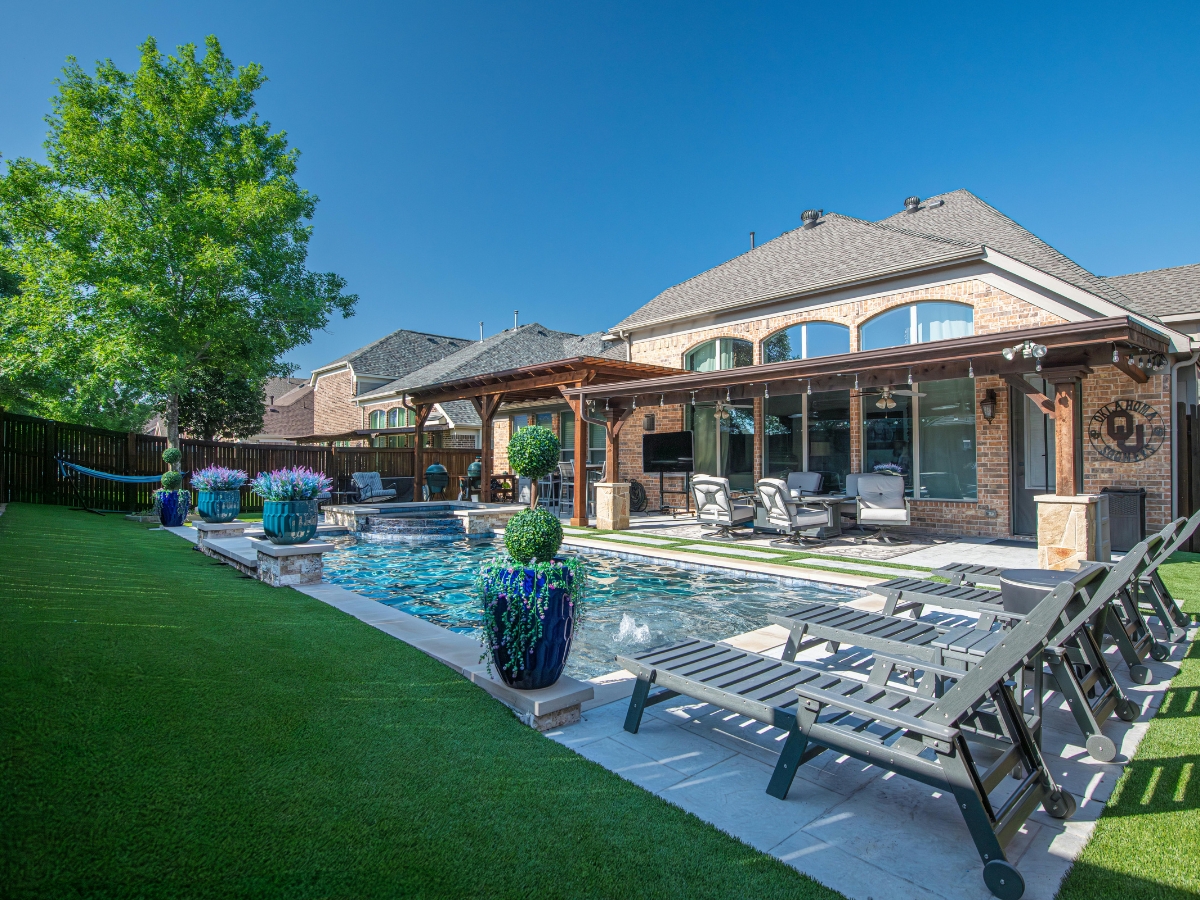
Choosing between a paver vs concrete patio slab is a major decision for any outdoor renovation, impacting aesthetics, durability, maintenance, and overall cost.
While concrete offers a sleek, modern look and lower initial expense, pavers provide superior design flexibility, easier repairs, and often better drainage and frost resistance.
This guide compares the key pros and cons of pavers versus concrete, helping you decide which material is the better choice for your specific style, budget, and functional needs in your outdoor space.
Pavers vs Concrete Patio: Which One Fits Your Yard?
Quick Comparison: Pavers Vs Concrete Patio At A Glance

If you are deciding between pavers vs concrete patio options, it helps to start with how you want the space to look and how you expect it to hold up over time. Both materials can create a durable, attractive patio, but they perform differently in real-world conditions. The right choice depends on your budget, timeline, design goals, and how much flexibility you want for future changes.
The Short Version
When it comes to design flexibility, pavers tend to lead the way. Because they come in different shapes, colors, and patterns, pavers make it easier to create a patio that feels custom.
They also work well when you want curves, borders, or a layout that matches existing walkways. Concrete usually offers a simpler look, although finishes like broom texture or stamping can add style without switching materials.
For many homeowners, the biggest difference in the pavers vs concrete patio debate is the upfront cost. Concrete is often more affordable at the start, especially for straightforward slab installations.
That can make it appealing when you need a clean patio surface quickly. Pavers typically cost more initially because they require more base preparation and labor, but they often pay off in flexibility and long-term maintenance.
Repairability is where pavers have a clear advantage. If a paver stains, cracks, or shifts, it can usually be replaced without tearing out the entire surface.
Concrete repairs are possible, but patching is often visible, and large cracks may require more extensive work. Over time, this difference can matter, especially in areas where soil movement or freeze-thaw cycles are common.
Installation speed is another practical factor. In many cases, concrete can be installed faster because it is poured as one continuous surface.
Pavers take more time since each piece must be set and leveled. If timing is tight, concrete may be the quicker path to a finished patio.
Crack resistance is often part of the conversation as well. Concrete can crack as it settles or as temperatures change. Control joints help, but cracking can still happen.
Pavers are less likely to show the same kind of cracking because the surface is made of individual pieces that can flex slightly with movement. That flexibility is one reason many homeowners choose pavers when they want a patio that can adapt over time.
In short, if you want a patio that is easy to customize and easier to repair later, pavers vs concrete patio comparisons often lean toward pavers. If you prefer a clean, simple surface with a faster install and often lower upfront cost, concrete can be a solid choice.
What Are Patio Pavers?
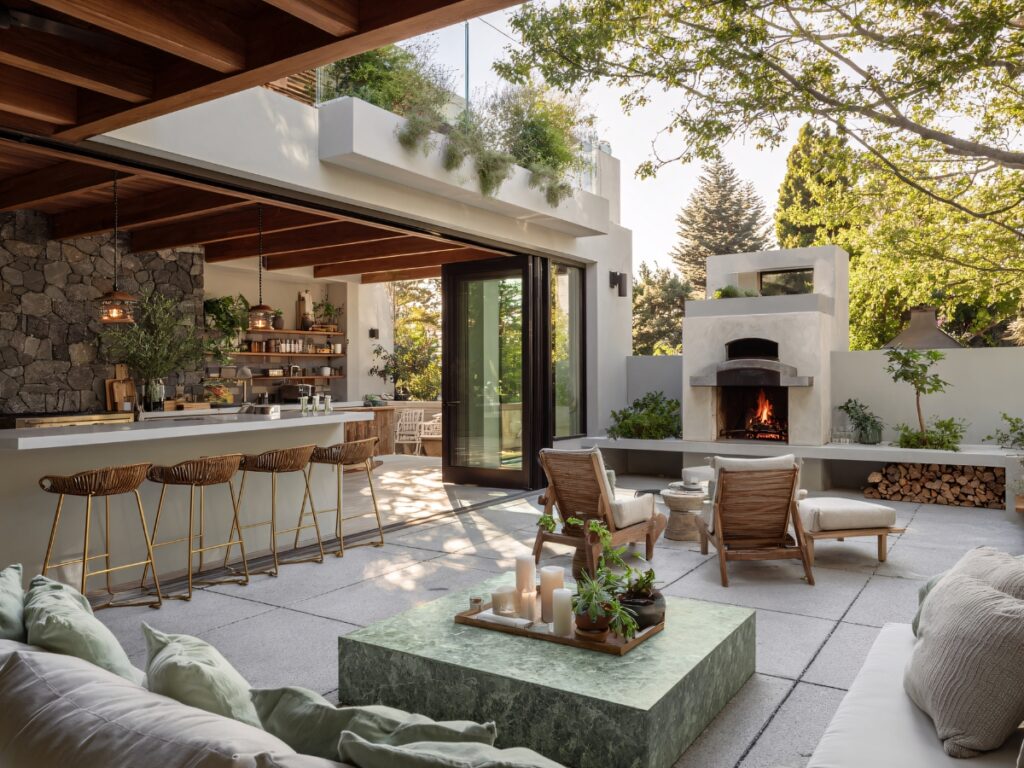
When comparing pavers vs concrete patio options, it helps to understand what patio pavers actually are, how they’re installed, and how those factors influence paver patio cost.
Pavers are individual units, most often made from concrete, clay brick, or natural stone. Instead of being poured as one solid surface, pavers are placed piece by piece over a prepared base.
That base is typically compacted gravel topped with a leveling layer of sand, and the edges are secured with restraints so the patio stays tight and stable over time.
Because pavers are modular, they offer a different kind of flexibility than a slab. You can create patterns, borders, and even gentle curves that are difficult to achieve with standard concrete.
Pavers also make it easier to match the style of a home, whether you want a clean modern look, a more traditional brick feel, or something that mimics natural stone. This design flexibility is one of the main reasons pavers come up so often in pavers vs concrete patio conversations.
Pavers can also be a practical choice when you want the option to change the space later. If you eventually add a fire pit, expand the patio footprint, or create a walkway that connects to the main surface, pavers make those updates simpler.
Instead of breaking out a large slab and trying to patch it, you can often extend the pattern and keep the overall look consistent. That ability to evolve the outdoor space is a big part of the appeal for homeowners who plan to upgrade in phases.
Why Homeowners Choose Pavers
Homeowners often choose pavers because they offer a wide range of colors, shapes, textures, and finishes. That variety makes it easier to create a patio that feels custom rather than generic. Even small details, like a contrasting border or a different laying pattern, can add visual interest without making the space feel busy.
Another reason pavers stand out in the pavers vs concrete patio debate is repairability. If a paver cracks, stains, or shifts, the fix is usually localized.
In many cases, you can remove the affected pavers, address the base issue, and reinstall the same units or replace them with matching pieces. With poured concrete, repairs are often more noticeable, and large cracks can require more extensive work.
Pavers also tend to handle minor ground movement better. Since the surface is made of many individual pieces, it can flex slightly as the ground settles. That does not mean pavers never shift, but when installed correctly, they are less likely to show the kind of long, visible cracks that can develop in a concrete slab.
Overall, patio pavers are a strong option for homeowners who want design flexibility, easier future changes, and a surface that can be repaired without replacing the entire patio.
What Is A Concrete Patio?
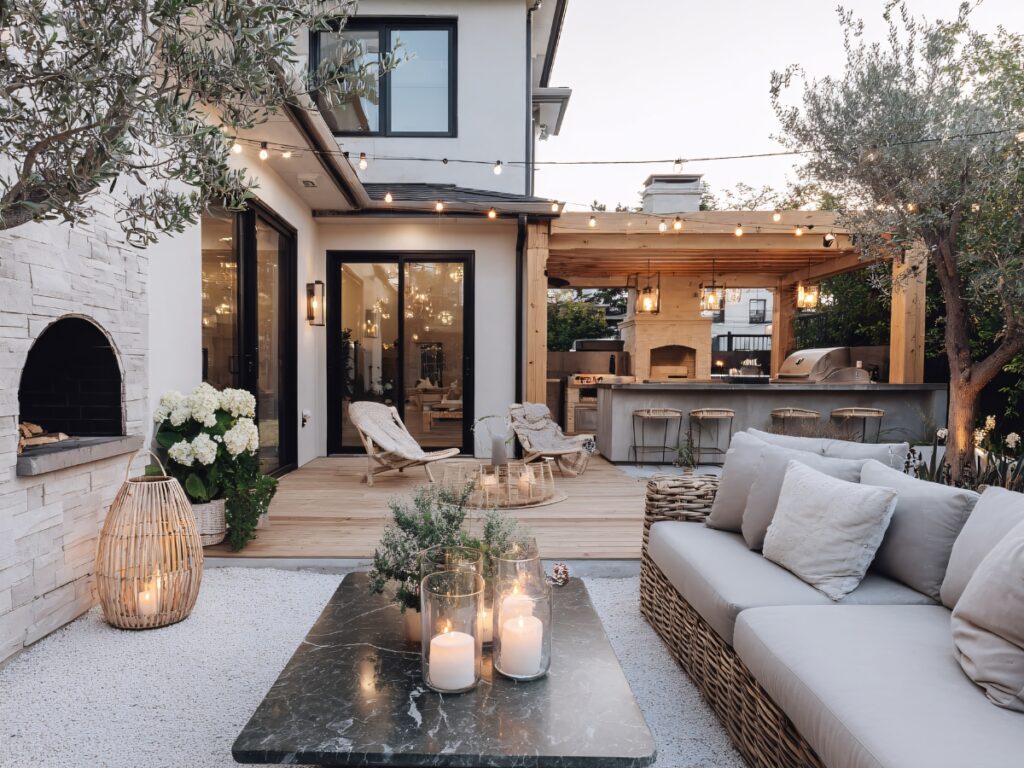
When weighing pavers vs concrete patio options, a concrete patio is usually the simplest starting point. It is most often a poured slab that creates one continuous surface. Homeowners typically choose a standard broom finish for traction, but there are other finishes that can change the look and feel.
Smooth finishes can create a clean, modern appearance, while stamped concrete can mimic the look of stone or pavers. Exposed aggregate is another option that adds texture and visual interest by revealing small stones within the surface.
Concrete is popular because it can be installed relatively quickly and gives you a uniform patio that works with most backyard layouts. It also tends to feel straightforward. Once the area is prepped, the slab is poured, finished, and left to cure.
For homeowners who want a clean, simple surface without a lot of pattern decisions, concrete can be an easy choice in the pavers vs concrete patio discussion.
Concrete can also work well for larger patio footprints. Because it is poured as one surface, it can create a seamless look across a wide area, especially when paired with a simple layout and clean edges.
Many people like that it looks tidy and intentional without needing borders or pattern changes. In practical terms, a concrete slab is also easy to sweep, hose off, and maintain, which is part of why it is such a common patio material.
Why Homeowners Choose Concrete
One reason homeowners lean toward concrete is the upfront affordability for basic installations. Costs can vary widely based on thickness, prep work, and finish choices, but plain concrete often comes in lower than pavers at the start. For families trying to improve backyard function without taking on a larger investment, that can be a major deciding factor.
Another advantage is the smooth, continuous surface. A slab can make it easier to move rolling furniture, planters, or a grill without dealing with seams between individual units. This can be especially helpful for dining setups where chairs shift often or for patios that need to accommodate strollers, carts, or mobility aids.
Concrete also offers more finishing options than many homeowners realize. Stamping, staining, and texturing can shift the look from basic to more decorative, depending on the style you want.
If you like the idea of a more custom surface but prefer the simplicity of a slab, decorative concrete finishes can bridge that gap. These upgrades do add cost, but they can change the overall feel of the space without switching materials.
Finally, concrete often wins for speed. In many cases, the installation timeline is shorter than pavers because it does not require placing and leveling individual pieces. When timing is a priority, that faster turnaround is a common reason people choose concrete in the pavers vs concrete patio decision.
Pavers Vs Concrete Patio: Key Differences That Matter

When homeowners compare pavers vs concrete patio options, the decision usually comes down to a few practical differences that affect how the patio looks, performs, and ages. Both materials can create a durable outdoor space, but they behave differently over time.
Factors like cracking, repairs, design flexibility, and surface comfort all play a role, and the best choice depends on what you value most in a finished patio.
1) Durability And Cracking
Concrete is strong and can handle daily use, furniture, and foot traffic with ease. The challenge is that concrete is also one continuous surface, which means it does not like movement.
Over time, soil shifting, heavy loads, and changes in temperature can lead to cracking. Control joints help direct where cracks might form, but they do not guarantee a crack-free slab. Even with good installation, minor cracking can still happen, and once a crack appears, it is usually visible.
Pavers are installed as a system of individual pieces over a compacted base, which allows the surface to flex slightly. That flexibility is a major reason many people prefer pavers vs concrete patio surfaces when long-term appearance matters.
Pavers can still settle or shift if the base is not installed correctly, but the issue is usually localized and easier to correct without replacing the entire patio.
The main takeaway is simple. If visible cracks are your biggest concern, pavers tend to hold their look better over time.
2) Repairs And Long-Term Maintenance
Repairs are one of the clearest differences in the pavers vs concrete patio debate. Concrete can be repaired, but it is rarely invisible.
Patchwork often shows, and if the slab has major damage or significant cracking, fixes can involve cutting, replacing sections, or in some cases removing and re-pouring part of the patio. Even when the repair is structurally sound, it can stand out visually.
Pavers are generally more forgiving. If a section settles or a few pavers stain or crack, the repair is often as simple as lifting that area, adjusting the base, and reinstalling the same pieces.
If replacement is needed, you can swap individual pavers rather than dealing with a whole slab. This is why pavers are often favored by homeowners who want a patio that is easier to maintain cleanly over the years.
The takeaway here is that pavers typically make long-term maintenance less stressful because repairs are more targeted.
3) Aesthetics And Design Flexibility
Concrete can look great, especially with decorative options like stamping, staining, or exposed aggregate. These finishes can elevate a patio and give it more character than a basic slab. Still, concrete remains a single surface. It can be sleek and modern, but it usually reads as one large plane.
Pavers offer more design flexibility. You can choose patterns like herringbone, running bond, or basketweave, and add borders or contrasting colors for definition.
This is where pavers vs concrete patio comparisons often shift toward pavers, especially for homeowners who want a custom look or a more high-end feel. Pavers also make it easier to create curves or connect patios to walkways without awkward transitions.
If your goal is maximum customization and visual detail, pavers often deliver more “built-in” design options.
4) Slip Resistance And Surface Comfort
Both materials can be safe and comfortable, but the finish matters. Some concrete finishes can become slippery when wet, especially if the surface is very smooth.
Textured finishes, like broom finish or certain stamped textures, can improve traction. Concrete can also hold heat in full sun, which can make it uncomfortable for bare feet during hotter months.
Pavers usually provide more natural texture and grip because of their surface finish and the small joints between units. Color choice also matters.
Lighter pavers can help reduce heat buildup compared to darker surfaces. When comparing pavers vs concrete patio comfort, the deciding factors are often sun exposure, finish texture, and the color palette you choose.
The takeaway is that either surface can work well, but you should choose finishes and colors based on how the patio will be used.
5) Weed Growth And Shifting Concerns
A realistic pavers vs concrete patio comparison should include the upkeep conversation. Pavers can develop weeds in joints over time if the installation is missing proper edging or if joint sand breaks down.
Using quality polymeric sand and solid edge restraints helps reduce this issue, but some maintenance is still normal, especially in damp or shaded areas.
Concrete avoids joint weeds, but it can crack. When cracks form, weeds can appear in those openings or along the patio edges. In other words, both surfaces can face plant growth issues. The difference is where it shows up and how it is addressed.
The takeaway is that both systems require upkeep. With pavers, maintenance focuses on joints and leveling. With concrete, maintenance is often about managing cracks and surface wear.
Cost Breakdown: Is A Paver Patio More Expensive Than Concrete?

Cost is usually the first question homeowners ask when comparing pavers vs concrete patio options, and for good reason. A patio is a major upgrade, and pricing can vary based on size, site conditions, and the finish you choose. While there are general trends, the “best value” choice often comes down to what you want the patio to look like in five to ten years, not just what it costs on installation day.
Upfront Cost (Typical Trend)
In many projects, basic concrete comes in lower upfront than pavers. A standard poured slab with a simple broom finish is relatively straightforward to install, which keeps labor and material costs more predictable. That makes concrete appealing for homeowners who want a clean patio surface without a lot of design complexity.
The gap can shrink, however, once you move into decorative concrete. Stamped concrete, stained finishes, exposed aggregate, or custom scoring can add both material and labor costs. At that point, the price difference between pavers vs concrete patio installations is often less dramatic than people expect, especially if the paver design is simple and the site is easy to access.
Pavers tend to cost more upfront for two main reasons. First, the materials themselves can be more expensive, especially if you choose premium styles or thicker pavers. Second, installation is more labor-intensive.
Proper paver patios require excavation, a compacted gravel base, edge restraints, and careful leveling before the pavers are placed and jointed. That prep work is where long-term performance comes from, but it also raises the initial price compared to a basic slab.
It is also worth noting that site conditions can change the equation for both options. If your yard has poor soil, drainage issues, or slope changes, the prep work may increase for either material.
When homeowners ask whether a paver patio is more expensive than concrete, the best answer is often, “It depends on the finish you want and the amount of site prep required.”
Long-Term Value
Long-term value is where pavers can shine in the pavers vs concrete patio conversation. While pavers may cost more at the start, they often offer better flexibility over the life of the patio.
Because pavers are individual units, repairs tend to be smaller and less invasive. If an area settles, stains, or cracks, the fix is usually localized. A contractor can lift and re-level a section or replace a few pavers without removing the entire patio.
Concrete can last a long time as well, but repairs can be more complicated to blend. When a slab cracks or chips, patching often shows, and major damage may require cutting out and replacing sections.
Even when the repair is structurally sound, the visual difference can be noticeable. Over time, those repairs can affect how the patio looks, which matters if curb appeal is a priority.
Pavers also make future changes easier. If you decide later that you want to expand the patio, add a walkway, or build a fire pit area, pavers are often more adaptable.
Instead of breaking out a slab and trying to match new concrete to old, pavers can be extended and reconfigured with fewer headaches, assuming you can still source a similar style.
High-end paver designs may also boost perceived home value because they look custom and intentional. Buyers often respond well to hardscaping that feels finished and well-built, and pavers can deliver that “designed” look through patterns, borders, and material texture.
Installation Differences: What Affects Performance The Most?

When homeowners compare pavers vs concrete patio options, it is easy to focus on the surface you will see every day. In reality, most patio problems start below the surface. Cracking, settling, uneven areas, and drainage issues are usually tied to installation quality, not just the material. If you want long-term performance, the build process matters as much as the choice between pavers and concrete.
The Base Matters More Than The Surface
Whether you choose pavers or concrete, the biggest performance factor is proper base preparation. A patio needs a stable foundation, and that foundation starts with excavation. The area has to be dug to the right depth so the base can be built in layers.
If the excavation is shallow, the patio may shift as the soil moves or as water saturates the ground. If it is uneven, the finished surface can end up sloped in the wrong direction or develop low spots where water pools.
Soil compaction is another major factor. Loose or poorly compacted soil can settle over time, which is one of the main reasons patios become uneven.
With a concrete slab, that settling often shows up as cracks or sunken areas. With pavers, it can lead to low spots, rocking pavers, or joint gaps that widen. The problems look different, but the cause is often the same. The base was not built correctly.
Drainage planning and slope also play a direct role in how well a patio holds up. A patio should be pitched so water moves away from the home and does not collect along edges.
Without proper grading, runoff can weaken the base, cause shifting, and lead to stains or erosion. This is one reason the pavers vs concrete patio debate cannot be separated from site conditions. A yard with poor drainage or heavy runoff needs more planning regardless of the surface material.
The quality of aggregate base materials matters too. A properly graded gravel base supports both pavers and concrete by distributing weight and allowing water to move appropriately.
Cheap or poorly graded base materials can break down, compact unevenly, or fail to support the surface as intended. Over time, that can shorten the life of the patio.
A poorly prepped concrete slab can crack quickly, even if the finish looks great on day one. Poorly installed pavers can settle, separate, and develop uneven sections that feel frustrating to walk on. In both cases, the best-looking material will not compensate for shortcuts during prep.
If your goal is long-term stability, solid drainage, and a patio that stays level, installation quality should be a top priority in any pavers vs concrete patio decision. Many homeowners find that paying for proper prep work upfront is the best way to avoid repairs and headaches later.
Drainage And Weather: Which Handles Water Better?

When homeowners compare pavers vs concrete patio options, drainage is often the deciding factor, especially in yards that stay damp, collect runoff, or deal with frequent heavy rain. Water is one of the biggest threats to long-term patio performance because it can weaken the base, cause shifting, and create slippery or stained surfaces.
The good news is that both pavers and concrete can manage water well when the design and installation are done correctly. The difference is how each surface handles water by default.
How Pavers Manage Water
Pavers are installed as individual units, which means there are joints between pieces. Those joints can allow some water to move downward, depending on the joint material and the base system below.
In a standard paver patio, the goal is still to direct most water away from the house through proper slope, but the joint structure can help reduce surface pooling compared to a completely solid slab.
For homeowners with more serious drainage concerns, permeable pavers are often worth considering in the pavers vs concrete patio conversation. Permeable systems are designed to let water pass through the joints into a specially built base that stores and filters runoff before it slowly drains into the soil.
This can be especially helpful for areas prone to puddling, properties with runoff issues, or homeowners who want to reduce stormwater flowing toward the street.
Pavers can still have problems if the base is not prepared correctly. Poor compaction or inadequate drainage layers can lead to settling, which creates low spots where water collects. The key advantage is that pavers are usually fixable. If a section becomes uneven, it can often be lifted, adjusted, and re-leveled without replacing the entire patio.
How Concrete Manages Water
Concrete patios handle water differently because they shed it across the surface. A slab is not designed to drain through itself, so everything depends on the slope and the surrounding grading.
When concrete is poured with the correct pitch, it can move water efficiently away from the home and off the patio surface. This is one reason concrete can perform well in wet conditions when installed properly.
The issue arises when grading is off or the surface settles over time. If a slab develops low spots, water can pool, which increases the risk of staining, algae growth, and slip hazards.
In colder climates, pooling water can also contribute to surface wear during freeze-thaw cycles. These challenges are not guaranteed, but they are common enough that drainage planning should be a priority in any pavers vs concrete patio decision.
Takeaway For Rain And Drainage Concerns
If drainage is your main concern, pavers can be an excellent solution, especially permeable options that are designed specifically for water management. Concrete can also handle water well, but it requires consistent slope and good grading because the surface has no built-in drainage path.
In the pavers vs concrete patio debate, the best-performing option is usually the one designed around your yard’s runoff patterns, not just the one that looks best in a showroom.
Which Should You Choose: Pavers Vs Concrete Patio?
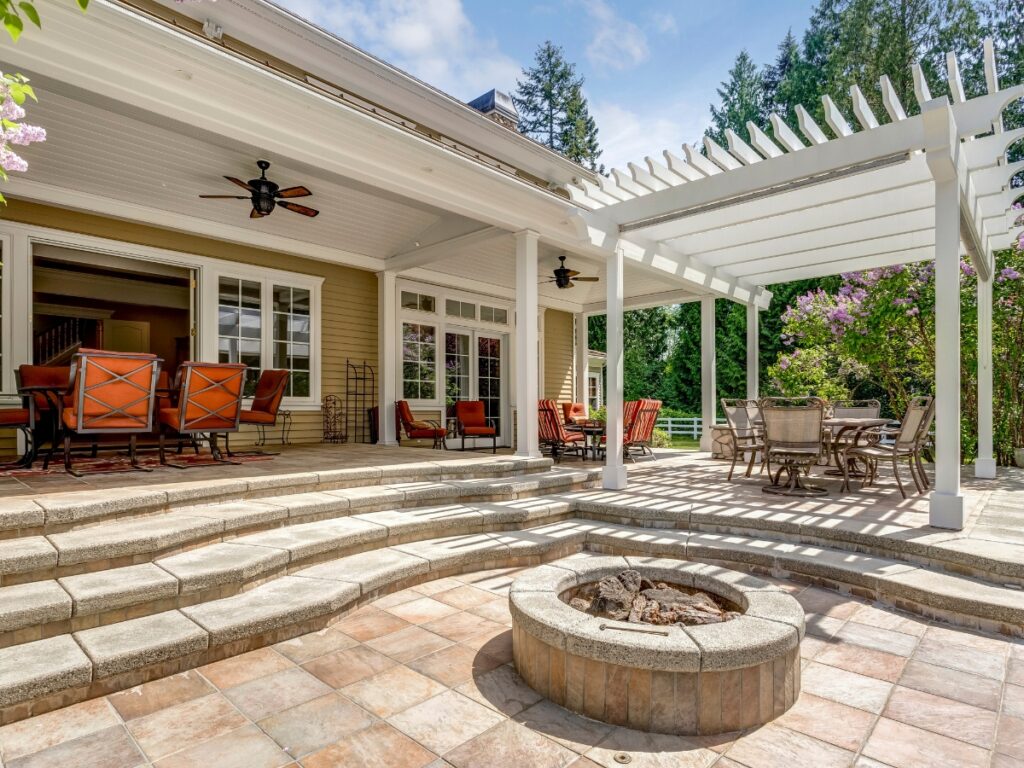
Choosing between pavers vs concrete patio options is easier when you start with how you want the patio to look, how you plan to use it, and how much change you expect over time. Both materials can create a durable outdoor space, but they offer different advantages. Pavers tend to win when flexibility and long-term repairability matter, while concrete often appeals to homeowners who want a simple surface with a straightforward installation.
Instead of thinking in terms of which material is “better,” it helps to think about which one fits your priorities. A patio is something you will see and use for years, so the best choice is usually the one that matches your lifestyle and your tolerance for future maintenance.
Choose Pavers If You Want A More Custom Look And Long-Term Flexibility
Pavers are a strong choice if design is a top priority. Because pavers come in different shapes, textures, and colors, they allow for patterns, borders, and layouts that feel more customized. Many homeowners prefer the finished look because it adds definition and makes the patio feel like a planned part of the yard instead of a plain surface added later. If you like a more detailed style, pavers often stand out in the pavers vs concrete patio comparison.
Pavers also offer practical flexibility. They can be easier to repair because the surface is made of individual units. If a section settles or a few pavers get damaged, the repair is usually localized. That can be a big advantage in areas where soil movement is common or where you want the option to adjust the patio later. Pavers are also less likely to show long, visible cracks because the system can flex slightly with minor movement.
This flexibility can matter if you plan to add features in phases. Many outdoor projects evolve over time, especially when homeowners add lighting, seating walls, or a fire pit after the initial patio is complete. Pavers often make those upgrades easier because you can extend or rework sections without dealing with the demolition of a single slab.
Choose Concrete If You Prefer A Clean Surface And Simple Installation
Concrete is often the right choice for homeowners who want a clean, simple patio with fewer seams. A poured slab creates one continuous surface, which many people like for a modern, minimal look. It can also be practical for moving rolling furniture, grills, or planters because there are no joint lines to catch wheels or shift underfoot.
In many cases, concrete also has a lower upfront cost when you are choosing a basic installation. If your goal is a functional patio without added design details, a standard broom finish slab can be a cost-effective way to create usable outdoor space quickly. Concrete can also be installed faster than pavers in many projects because it does not require placing and leveling individual pieces.
If you want more visual interest, concrete still offers options. Stamped, stained, or textured finishes can give the patio a more decorative look while keeping the single-surface style. This is often a good middle ground for homeowners who want something more than plain concrete but do not want the jointed look of pavers.
How To Decide If You Are Still Torn
If you are stuck between pavers vs concrete patio choices, the most helpful next step is to compare design ideas that fit your yard and get estimates for both based on the same patio size and layout. Pricing can shift depending on site prep, drainage needs, and finish choices. Seeing both options side by side, with real numbers and realistic designs, usually makes the decision much clearer.
Get the Right Patio for Your Home (With Expert Help)
Choosing between a pavers vs concrete patio isn’t just a style decision—it’s a durability, maintenance, and long-term value decision. The right option depends on your budget, the look you want, your drainage situation, and how you plan to use the space.
Ready to design a patio that looks great and lasts? Contact JR Artisan at (404) 516-5876 to discuss your goals, explore material options, and get a professional recommendation tailored to your property. If you want a patio that’s built with craftsmanship and proper base prep from the start, JR Artisan is ready to help.