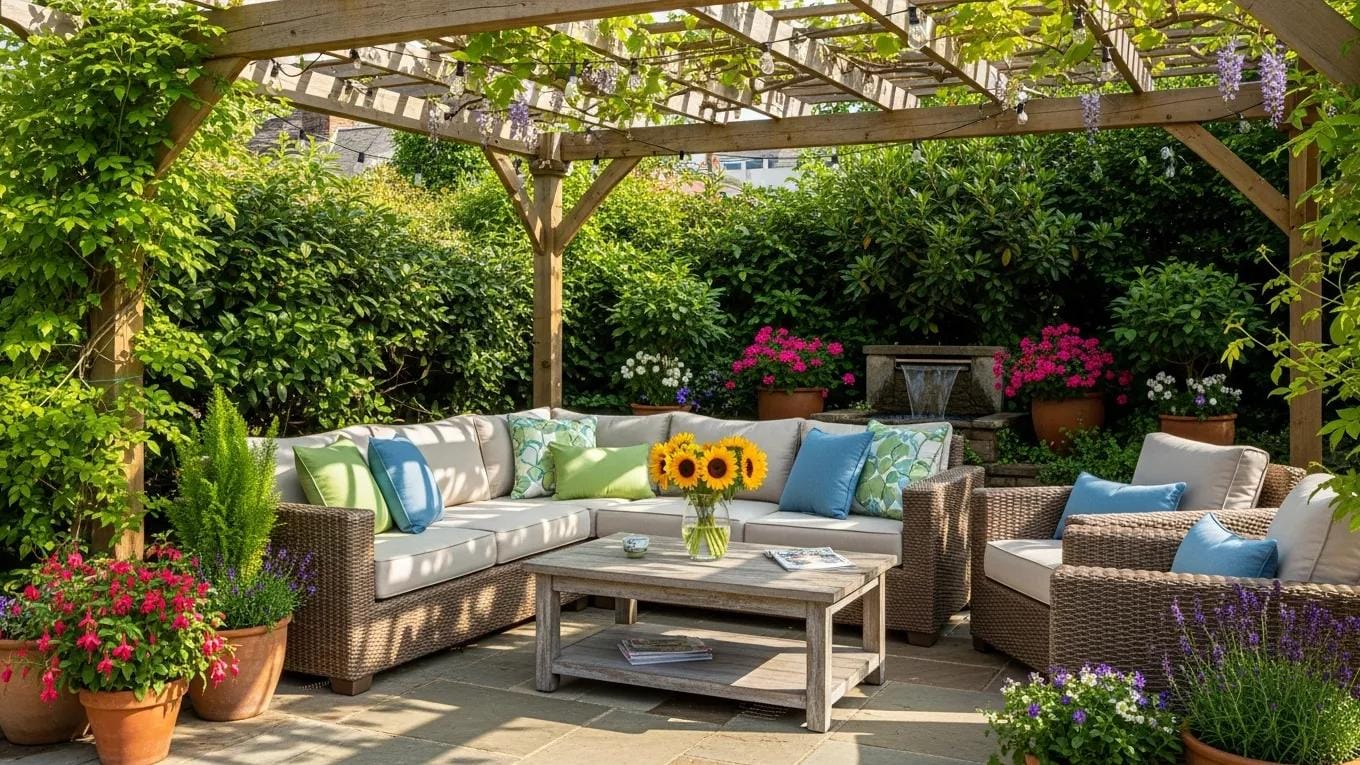
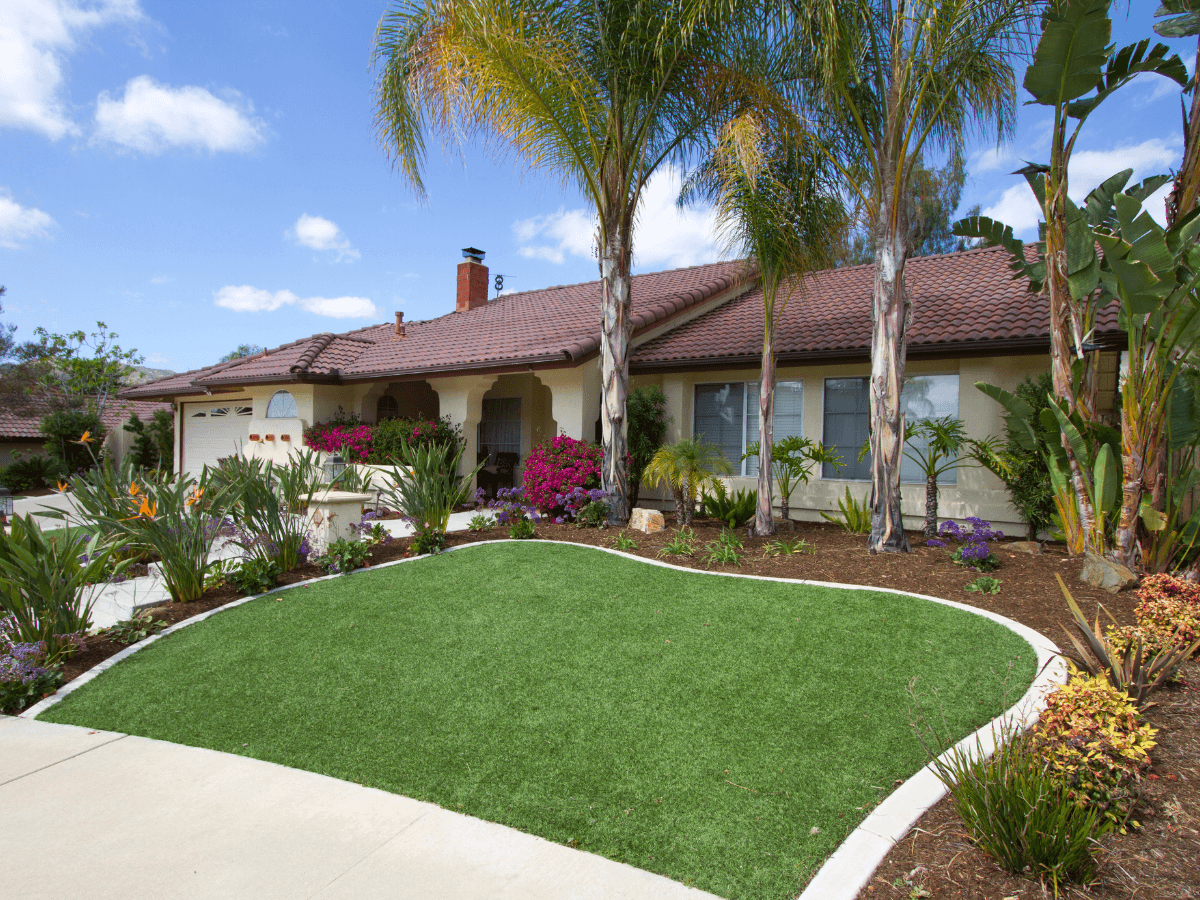
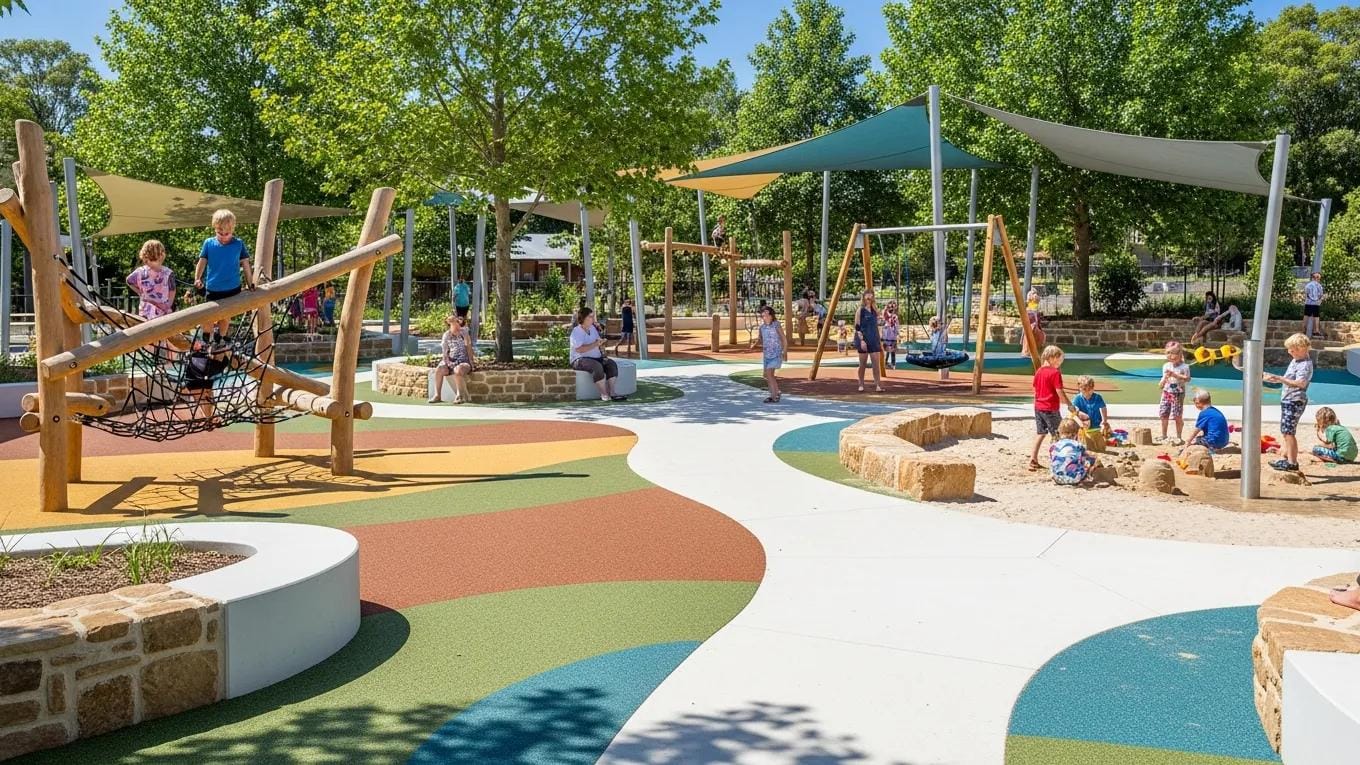
Keeping a natural lawn looking good in Metro Atlanta can be a constant challenge. Heat, humidity, heavy rain, and high foot traffic can quickly lead to patchy grass, mud, and ongoing maintenance.
Artificial turf offers a practical alternative for homeowners who want a consistently clean, green yard without the effort required by traditional lawns.
Artificial turf benefits go beyond appearance. It eliminates mowing, reduces water usage, and holds up well against changing weather conditions. It’s also a durable option for families with pets or children who use the yard regularly.
With the right installation, artificial turf can provide a low-maintenance outdoor space that stays neat and usable throughout the year.
Artificial Turf Benefits for Year Round Green Lawns
How Does Synthetic Grass Provide a Durable Lawn Alternative?

For homeowners looking to reduce upkeep without sacrificing appearance, synthetic grass has become a practical option.
One of the main artificial turf benefits is its ability to hold up under daily use while still maintaining a consistent look. Unlike natural grass, which can wear down quickly in high traffic areas, synthetic turf is designed to handle repeated use without developing bare spots or uneven patches.
This makes it especially useful for families, pet owners, and anyone who uses their outdoor space regularly. Whether it is foot traffic from gatherings or everyday play, the surface remains stable and usable.
Over time, this reliability becomes one of the most noticeable artificial turf benefits, since it removes the need for constant repairs or reseeding.
Another factor that contributes to its durability is how it is constructed. Synthetic turf is built with materials that resist weather exposure and physical wear. This allows it to stay intact through changing conditions without requiring the same level of care as natural lawns.
Durability and Long-Term Performance
Durability is often one of the first things people consider when comparing lawn options. Artificial turf is designed to last, with many installations holding up for 15 to 25 years, depending on usage and care.
This long lifespan is one of the key artificial turf benefits, especially for homeowners who want a solution that does not need frequent replacement.
Unlike natural grass, which can become patchy or damaged over time, synthetic turf maintains a more consistent surface. It does not rely on soil conditions, sunlight balance, or watering schedules to stay healthy. As a result, it remains visually even and functional even after years of use.
This long-term performance also has practical advantages. Fewer repairs and less ongoing maintenance can lead to lower overall costs over time. While the initial installation may require planning, the reduced need for upkeep makes it easier to manage in the long run.
Year-Round Appearance And Usability
Another reason many homeowners consider synthetic grass is its ability to maintain a consistent look throughout the year. Seasonal changes can affect natural lawns, leading to discoloration, thinning, or uneven growth. With artificial turf, those concerns are largely removed.
One of the more noticeable artificial turf benefits is that it stays green regardless of weather conditions. This creates a stable and predictable outdoor space that can be used at any time. Whether during warmer months or cooler seasons, the surface remains ready for everyday use.
This consistency also improves how the space feels overall. A well-maintained appearance supports outdoor activities without the interruptions that often come with natural grass. There is no need to worry about muddy areas after rain or dry patches during hotter periods.
Practical Benefits For Everyday Living
Beyond appearance, synthetic turf supports a more functional outdoor space. Families can use the area for gatherings, play, or relaxation without dealing with the common challenges of natural lawns.
Children and pets can move freely without bringing dirt or mud into the home, which helps keep both indoor and outdoor areas cleaner.
These everyday advantages are part of what makes artificial turf benefits appealing to a wide range of homeowners. The ability to rely on a consistent, low-maintenance surface makes it easier to enjoy outdoor spaces without constant upkeep.
A Balanced Approach To Lawn Design
Choosing synthetic grass is often about finding a balance between appearance, durability, and maintenance. Artificial turf benefits come from its ability to combine these elements into a single solution that works over time.
By providing a stable surface, long-lasting performance, and a consistent look throughout the year, synthetic turf offers an alternative that fits well with modern lifestyles. It allows homeowners to focus more on using their outdoor space rather than maintaining it, which is often the goal when making any landscaping decision.
Why Is Low Maintenance Landscaping A Major Advantage Of Artificial Turf?
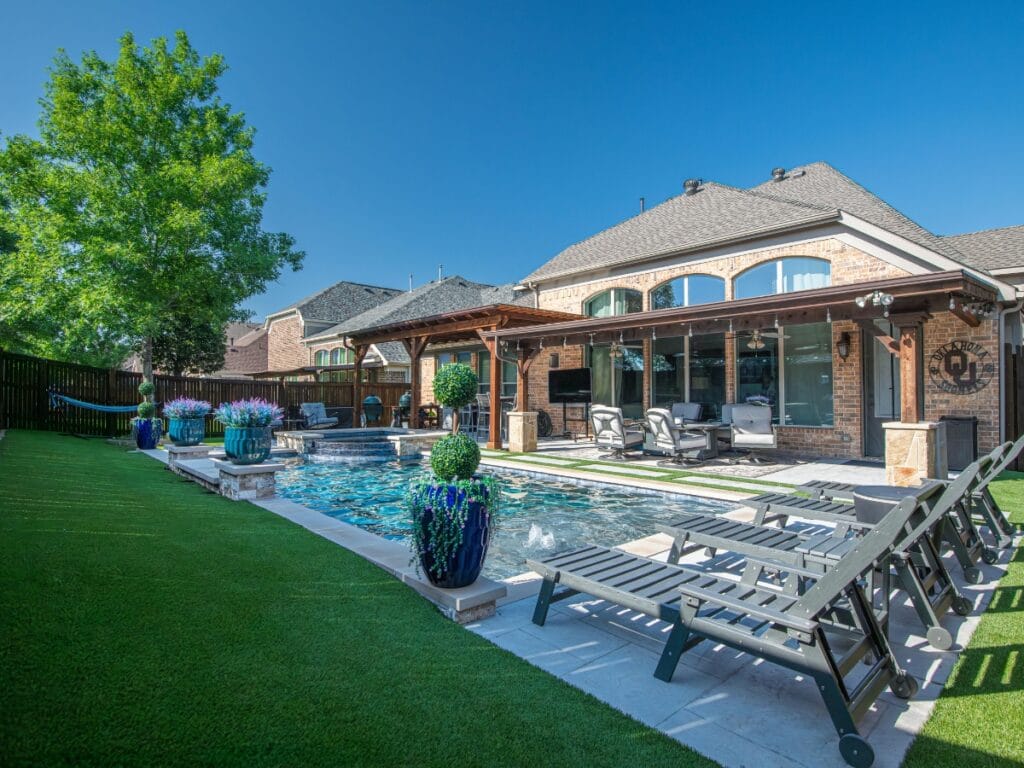
For many homeowners, one of the most appealing artificial turf benefits is how much time it saves. Traditional lawns require consistent attention, from mowing and watering to fertilizing and seasonal care.
With artificial turf, most of that routine maintenance is no longer part of the equation, which makes it a practical choice for those looking to simplify their outdoor space.
Low-maintenance landscaping is not just about convenience. It also changes how people use their yard. Instead of planning time around upkeep, homeowners can spend more time actually enjoying the space.
Whether it is hosting gatherings, spending time with family, or simply relaxing outdoors, the focus shifts away from chores and toward everyday use.
This shift is especially noticeable for busy households. When regular lawn care is no longer required, weekends and free time are easier to manage. Over time, this becomes one of the most valued artificial turf benefits, since it supports a more flexible and less demanding lifestyle.
Reducing Routine Lawn Care Tasks
One of the main reasons artificial turf is associated with low-maintenance landscaping is the reduction of routine tasks. Natural grass depends on regular mowing, watering, and fertilization to stay healthy. Missing even a few cycles can lead to uneven growth or discoloration.
Artificial turf removes most of these responsibilities. There is no need to mow or water to maintain appearance, and the surface stays consistent without the use of fertilizers or chemicals. This makes it easier to manage, especially for homeowners who want a clean and functional lawn without ongoing effort.
While some basic care may still be needed, such as occasional cleaning or brushing, it is minimal compared to the demands of natural grass. This reduced workload is one of the most practical artificial turf benefits and contributes to a more manageable outdoor routine.
Supporting A More Efficient Use Of Resources
Low-maintenance landscaping also connects to how resources are used over time. Traditional lawns often require significant amounts of water, especially during warmer months. This not only increases utility costs but can also be challenging in areas with water restrictions.
Artificial turf reduces the need for regular watering, which helps conserve water while maintaining a consistent appearance. This efficiency is another reason why artificial turf benefits extend beyond convenience. It allows homeowners to maintain a green lawn without relying heavily on natural resources.
In addition to water savings, eliminating the need for fertilizers and lawn equipment reduces overall environmental impact. Fewer chemicals and less fuel use contribute to a more balanced approach to landscaping.
Improving Day-to-Day Outdoor Living
A low-maintenance yard often leads to a more enjoyable outdoor experience. Without the constant need for upkeep, the space becomes easier to use on a daily basis. There is less concern about muddy patches, overgrown areas, or uneven surfaces that can limit how the yard is used.
Artificial turf provides a stable and consistent surface that supports a range of activities. Whether it is casual use or planned gatherings, the space remains ready without additional preparation. This reliability is one of the more practical artificial turf benefits, as it removes common obstacles that come with natural lawns.
For homeowners in areas like Metro Atlanta, where heat and humidity can make lawn care more demanding, this advantage becomes even more noticeable. A low maintenance setup allows the space to stay usable without constant adjustments.
A Practical Approach to Low-Maintenance Landscaping
Artificial turf offers a straightforward solution for those looking to reduce the effort required to maintain a lawn. By eliminating many of the ongoing tasks associated with natural grass, it supports a cleaner and more predictable outdoor space.
The appeal of low-maintenance landscaping comes down to balance. It allows homeowners to maintain a polished look without dedicating significant time to upkeep.
When combined with durability and consistent appearance, these artificial turf benefits make it easier to create an outdoor space that works with your routine rather than against it.
How Does the Synthetic Grass Installation Process Ensure Quality and Longevity?

The installation process plays a major role in how well artificial turf performs over time. While the surface may look simple, long-term durability depends on what happens beneath it. Proper preparation, material selection, and installation techniques all work together to create a stable and reliable result.
When done correctly, the process helps prevent common issues such as uneven areas, drainage problems, or premature wear. This is why installation is often considered one of the most important artificial turf benefits.
A well-installed surface not only looks better but also holds up under daily use, changing weather, and regular foot traffic.
Homeowners who understand how installation works tend to get more value from their investment. It is not just about laying turf. It is about building a foundation that supports consistent performance over time.
Why Proper Ground Preparation Matters
Before any turf is placed, the ground needs to be prepared carefully. This step sets the stage for everything that follows. If the base is uneven or unstable, even high-quality turf will not perform as expected.
The preparation process typically includes removing existing grass, leveling the surface, and compacting the soil. A solid base layer is then added to create support and improve drainage. Without this step, water can collect beneath the surface, leading to shifting or soft spots over time.
One of the key artificial turf benefits is its ability to maintain a smooth and even appearance. That consistency comes directly from proper groundwork. When the base is built correctly, the surface stays level and reliable, even with regular use.
The Role Of Drainage In Long-Term Performance
Drainage is another critical part of the installation process. Artificial turf is designed to allow water to pass through, but it still relies on a well-prepared base to move water away efficiently.
A properly installed drainage layer helps prevent pooling and reduces the risk of odor or moisture buildup. This is especially important in areas that experience frequent rain or heavy use. Without good drainage, the surface can lose its structure and become less comfortable to use.
By addressing drainage during installation, homeowners can take full advantage of artificial turf benefits such as year-round usability and low maintenance. The surface dries quickly and remains functional without constant upkeep.
Key Steps In Professional Artificial Turf Installation
While the exact process may vary slightly depending on the space, most professional installations follow a similar sequence:
- Site evaluation and planning to determine layout and requirements
- Removal of existing grass and debris to create a clean surface
- Base preparation with leveling, grading, and compaction
- Installation of a drainage-friendly base material
- Placement and securing of the turf
- Final inspection to ensure a smooth and consistent finish
Each of these steps contributes to the overall quality of the installation. Skipping or rushing any part of the process can affect how the turf looks and performs over time.
Material Quality And Installation Techniques
In addition to preparation, the materials used also influence durability. High-quality turf combined with proper installation techniques helps the surface maintain its shape, color, and texture. Seams need to be aligned carefully, and edges must be secured to prevent lifting or shifting.
Attention to detail during installation makes a noticeable difference. When everything is fitted correctly, the turf blends naturally with the surrounding space and feels stable underfoot. These details support the long-term artificial turf benefits that homeowners expect, including consistent appearance and reduced maintenance.
What Are The Cost Benefits Of Choosing Artificial Turf In Atlanta?
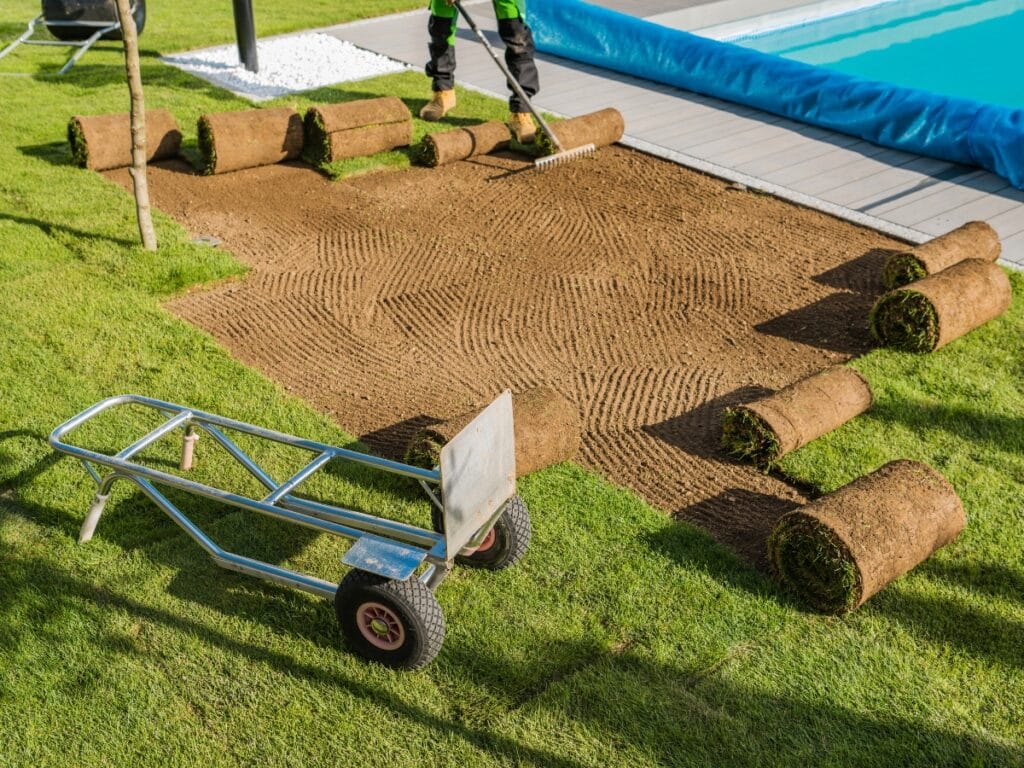
For many homeowners, cost is one of the biggest factors when deciding how to upgrade an outdoor space. While artificial turf has a higher upfront price than natural grass, the long-term savings can make it a practical choice. When you look beyond installation and consider ongoing expenses, the artificial turf benefits become much clearer.
Atlanta’s climate plays a role here as well. Hot summers and periods of limited rainfall can drive up water usage and maintenance costs for natural lawns.
Artificial turf reduces many of those recurring expenses, which is why it is often viewed as a long-term investment rather than a short-term upgrade.
How Water Savings Add Up Over Time
One of the most noticeable savings comes from reduced water use. Keeping a natural lawn green in a warm climate requires consistent watering, especially during dry months. Over time, those costs can add up quickly.
Artificial turf removes that need almost entirely. Occasional rinsing may still be necessary, but it does not compare to regular irrigation.
This reduction in water use is one of the more practical artificial turf benefits, especially for homeowners who want predictable utility costs.
Beyond personal savings, using less water can also support broader conservation efforts. While that may not be the main reason for choosing turf, it is an added advantage that fits well with long-term planning.
Lower Maintenance Costs Throughout The Year
Maintaining a traditional lawn involves more than just watering. There is mowing, fertilizing, weed control, and seasonal care. Each of these tasks requires time, money, or both. Over the course of a year, those expenses can become significant.
Artificial turf simplifies that routine. Without the need for regular mowing or chemical treatments, maintenance becomes minimal. Occasional brushing or cleaning is usually enough to keep the surface in good condition.
This shift in upkeep is one of the most consistent artificial turf benefits. Homeowners not only save on supplies and equipment, but they also spend less time managing their outdoor space. For many people, that convenience is just as valuable as the financial savings.
Impact On Property Value And Curb Appeal
Another factor to consider is how artificial turf can influence property value. A well-maintained outdoor space often improves curb appeal, which can make a property more attractive to potential buyers. In competitive markets, this can play a meaningful role.
Artificial turf offers a clean and consistent appearance year-round. Unlike natural grass, it does not develop bare patches or seasonal discoloration. This reliability helps maintain a polished look without ongoing effort.
While property value depends on many factors, the visual appeal and reduced maintenance associated with artificial turf benefits can make a home stand out. Buyers often appreciate features that lower future upkeep, which can make the investment more appealing.
Long-Term Value Compared To Upfront Costs
It is important to weigh initial costs against long-term value. Installation may require a larger upfront investment, especially when proper groundwork and materials are used. However, those costs are balanced over time by reduced maintenance and utility expenses.
When viewed over several years, the savings from water, lawn care, and repairs can offset the initial spend. This is why many homeowners see artificial turf as a practical solution rather than a luxury upgrade.
Understanding these trade-offs helps set realistic expectations. The goal is not just to save money immediately, but to reduce ongoing costs while maintaining a functional and attractive outdoor space.
How Does Artificial Turf Contribute To Water Conservation And Sustainability?
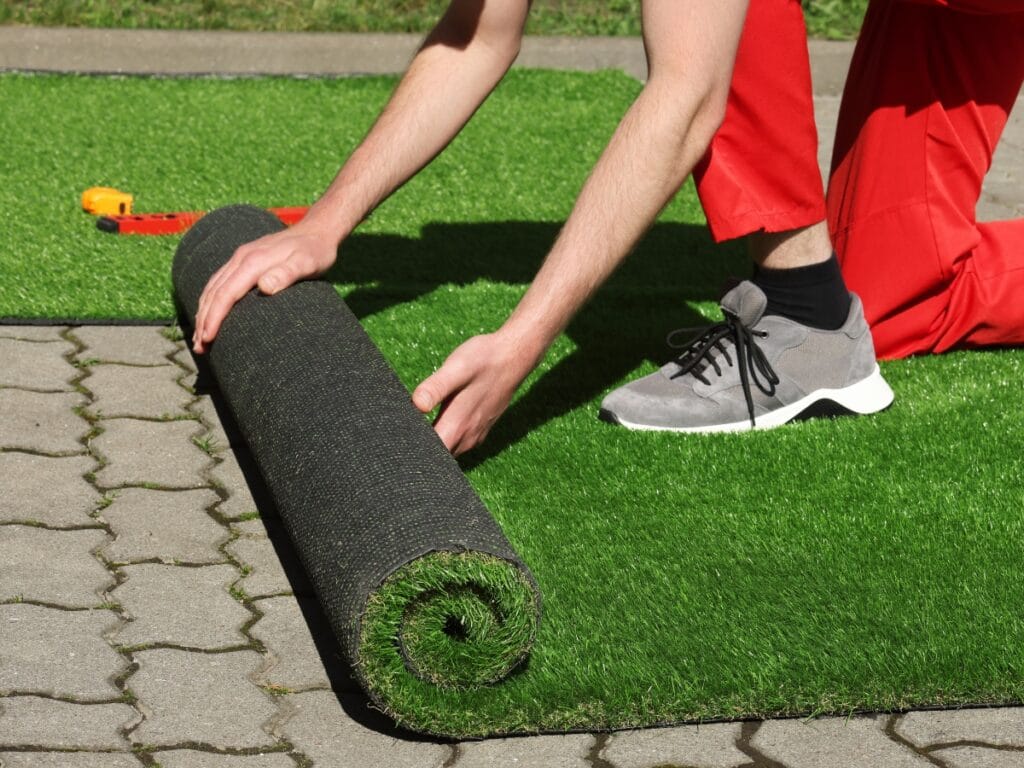
Water use is one of the biggest concerns for homeowners maintaining a traditional lawn. In warmer climates like Atlanta, keeping grass green often means frequent watering, especially during dry periods. This is where many of the long-term artificial turf benefits begin to stand out.
Artificial turf removes the need for regular irrigation, which can lead to noticeable reductions in water use over time.
While occasional rinsing may still be needed, it does not compare to the consistent watering required for natural grass. For homeowners looking to manage both costs and environmental impact, this shift can make a meaningful difference.
Reducing Outdoor Water Demand
Outdoor watering typically accounts for a large portion of household water use. Lawns, in particular, require steady attention to stay healthy and visually appealing. In regions that experience heat and humidity, this demand increases even more.
By switching to artificial turf, that ongoing demand is greatly reduced. Instead of relying on irrigation systems or manual watering, homeowners can maintain a green and usable space without constant water input.
This is one of the most practical artificial turf benefits, especially for those trying to limit waste while keeping their outdoor areas functional.
Over time, these reductions can add up to significant water savings. For many households, this translates to both lower utility bills and a more efficient use of resources.
Supporting Sustainable Landscaping Practices
Sustainability is not only about water. It also involves how outdoor spaces are maintained and what materials are used over time.
Traditional lawns often require fertilizers, herbicides, and pesticides to stay in good condition. These products can affect soil health and may run off into surrounding areas.
Artificial turf reduces or removes the need for these chemicals. Without regular treatments, there is less risk of exposure for families and pets, and fewer substances entering the environment. This aligns with broader efforts to create safer and more controlled outdoor spaces.
For homeowners interested in eco-friendly landscaping, these artificial turf benefits support a more consistent and manageable approach. The focus shifts from constant upkeep to long-term stability.
Long-Term Environmental Impact
When looking at sustainability, it is important to consider the long-term picture. Artificial turf is designed to last for years with minimal maintenance. This durability reduces the need for repeated planting, reseeding, or soil treatment, all of which require time and resources.
While the initial installation involves materials and preparation, the long lifespan helps balance that impact over time. A stable surface that does not need frequent replacement can contribute to more predictable and controlled resource use.
In areas like Atlanta, where seasonal changes and heat can strain natural lawns, this durability becomes even more valuable. Homeowners can maintain a consistent outdoor space without constantly adjusting to weather conditions.
Balancing Convenience And Responsibility
Choosing artificial turf is often about more than appearance. It reflects a shift toward convenience, but also toward more mindful resource use. Reduced watering, fewer chemicals, and lower maintenance all contribute to a more sustainable approach to landscaping.
These artificial turf benefits appeal to homeowners who want a practical solution without sacrificing long-term responsibility. The result is an outdoor space that stays usable and visually consistent, while also supporting more efficient use of water and materials.
By understanding how these factors work together, it becomes easier to see why artificial turf continues to gain attention as a sustainable option for modern landscaping.
What Are The Design Considerations For Integrating Synthetic Grass With Hardscaping?
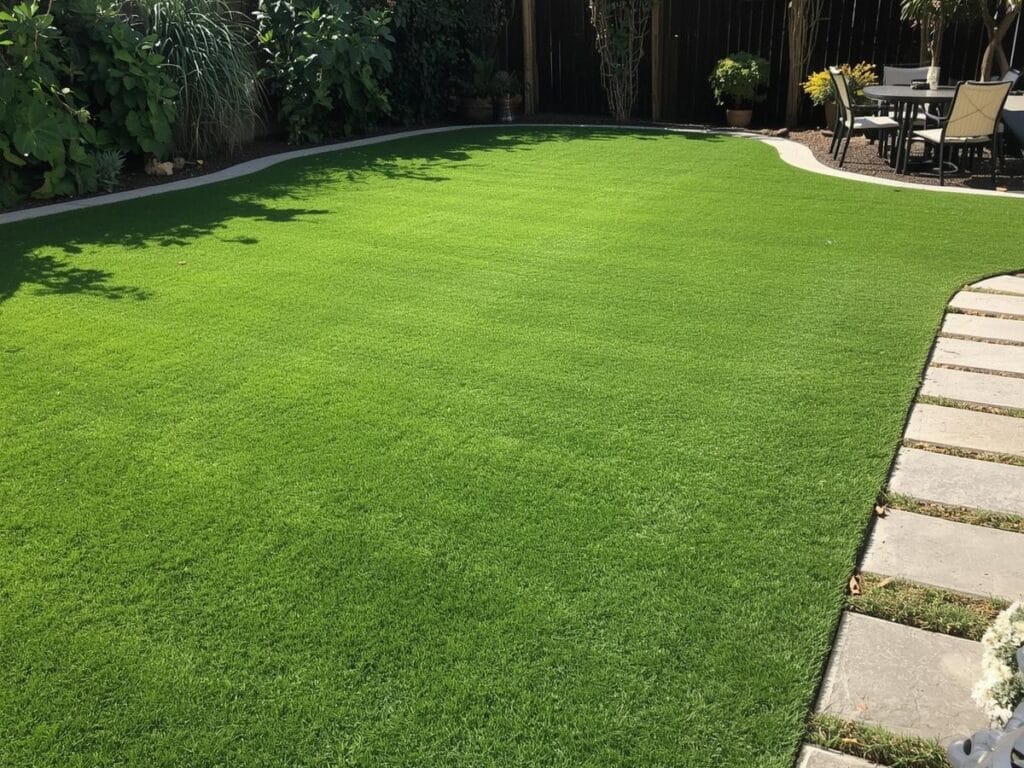
Blending synthetic grass with hardscaping elements can transform an outdoor space, but it requires thoughtful planning. Materials like stone, concrete, or pavers each have their own look and function, so the goal is to create a layout where everything feels intentional rather than pieced together.
One of the first things to consider is compatibility. The color and texture of the turf should work with the surrounding materials instead of competing with them. A softer green tone may pair better with natural stone, while a more structured turf style can complement modern concrete or tile.
This is where many artificial turf benefits become more noticeable. When the design is cohesive, the space feels cleaner, easier to maintain, and more functional for everyday use.
Creating A Cohesive And Balanced Layout
A strong layout helps tie turf and hard surfaces together. Instead of separating areas too sharply, many designs use transitions that guide movement through the space. For example, placing turf between pavers or alongside a patio can soften the overall look without losing structure.
Balance is also important. Too much hardscaping can make a space feel rigid, while too much turf can reduce visual contrast. Finding the right mix allows both elements to stand out while still working as a unified design.
Artificial turf benefits play a role here as well. Because turf maintains a consistent color and texture, it can act as a visual anchor that connects different parts of the landscape.
Seamless Integration With Outdoor Features
When synthetic grass is integrated properly, it can connect multiple outdoor features into one cohesive space. Patios, walkways, and seating areas can flow naturally into turf sections, making the entire area feel more usable.
This approach works well for a variety of purposes. Some homeowners use turf to create open play areas, while others prefer it as a low-maintenance backdrop for seating or entertaining. The flexibility of turf makes it easier to adapt the design to different needs without overcomplicating the layout.
Because turf does not require the same upkeep as natural grass, it also simplifies how these spaces are maintained. This is one of the more practical artificial turf benefits, especially in areas with a mix of surfaces that would otherwise need different types of care.
Planning For Maintenance And Long-Term Use
Design choices should also consider how the space will be maintained over time. Even though artificial turf is low maintenance, the surrounding hardscape materials may require occasional cleaning or upkeep.
Proper spacing, drainage, and access points can make a difference. For example, leaving enough room between features allows for easier cleaning and prevents debris from collecting in tight areas. Planning for these details early helps avoid issues later.
The durability of turf adds to its appeal in mixed-material designs. It can handle regular use without showing wear as quickly as natural grass, making it a reliable option for high-traffic areas.
How Professional Design Enhances Results
Working with a well-thought-out design can bring all these elements together. Layout, color choices, and material combinations all influence how the space feels once it is complete. When these details are handled carefully, the result is both functional and visually balanced.
Professional planning can also help maximize artificial turf benefits by ensuring that the turf is placed where it adds the most value. Whether it is used to break up hard surfaces or define specific areas, thoughtful placement makes a noticeable difference.
Building A Functional And Visually Consistent Space
Integrating synthetic grass with hardscaping is about more than appearance. It is about creating a space that works well for everyday use while staying easy to maintain.
By focusing on compatibility, layout, and long-term usability, homeowners can take full advantage of artificial turf benefits. The result is an outdoor area that feels connected, practical, and designed with purpose rather than just assembled piece by piece.
How Does JR Artisan Outdoors Integrate Turf Installation With Hardscaping Services?
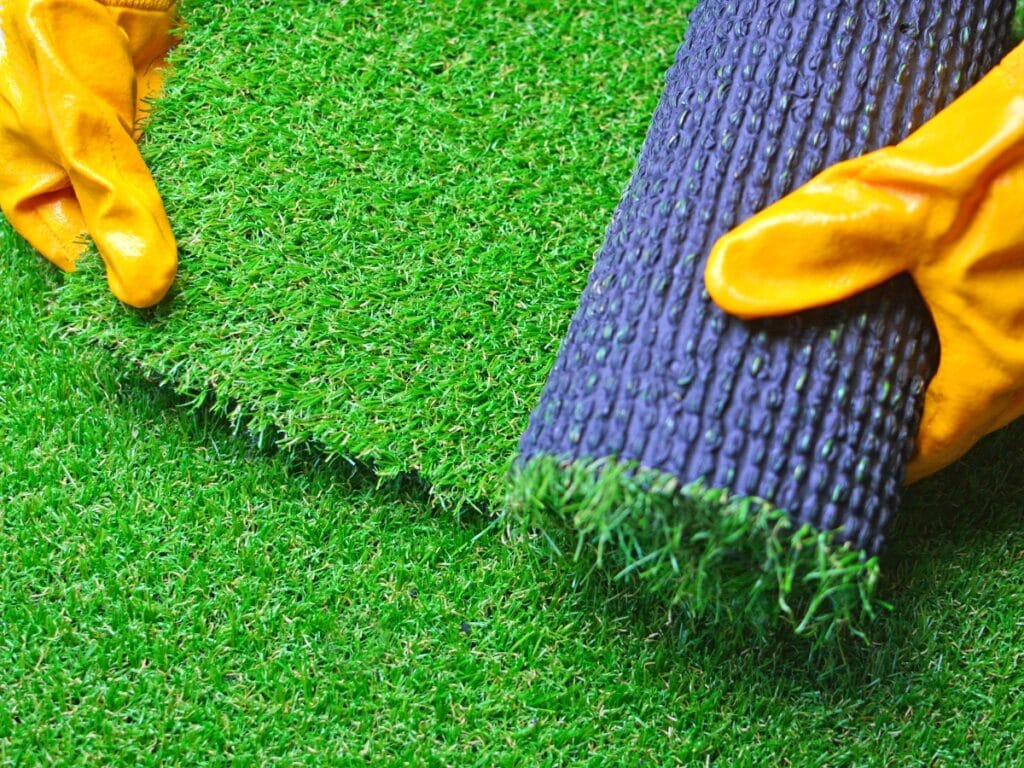
Bringing artificial turf and hardscaping together requires more than just placing materials side by side. It involves planning how each element will function as part of a larger outdoor space. When done well, the result feels connected and easy to use rather than divided into separate sections.
JR Artisan Outdoors approaches this process with a focus on both structure and flow. Instead of treating turf and hardscaping as separate projects, the goal is to design them together from the start. This helps ensure that surfaces align properly, transitions feel natural, and the overall space works as intended.
This type of planning also highlights some of the more practical artificial turf benefits. When turf is installed alongside patios, walkways, or seating areas, it reduces maintenance while still providing a clean and consistent look.
Combining Design Planning With Installation
A successful project begins with a clear understanding of the space. Before installation starts, the layout is evaluated to determine how turf and hardscape features will interact. This includes looking at traffic patterns, drainage, and how different areas will be used on a daily basis.
From there, the process moves into preparation. The ground is cleared and leveled, and a stable base is created to support both the turf and surrounding materials. This step is important because it affects how well everything holds up over time.
By aligning the preparation for both turf and hardscaping, the final result feels more cohesive. It also helps avoid issues like uneven surfaces or poor drainage, which can affect long-term performance.
Craftsmanship And Attention To Detail
One of the key factors in combining these elements is craftsmanship. Edges need to be clean, transitions should feel intentional, and materials must be fitted carefully to avoid gaps or shifting.
This attention to detail is where artificial turf benefits become more noticeable. A well-installed surface maintains its appearance and function without constant adjustments. It also supports the surrounding features by providing a stable and low-maintenance area between harder surfaces.
When everything is installed with precision, the outdoor space feels complete rather than pieced together.
Creating Outdoor Spaces That Work Together
The advantage of integrating turf with hardscaping is that it allows for more flexible use of the space. A single area can serve multiple purposes, from relaxation to activity, without requiring different types of maintenance for each section.
Artificial turf helps simplify that balance. It provides a consistent surface that works well alongside stone, concrete, or wood, making it easier to design spaces that are both practical and visually appealing.
These artificial turf benefits become especially useful in areas that see regular use, where durability and ease of care matter just as much as appearance.
A Unified Approach To Outdoor Design
By combining turf installation with hardscaping, JR Artisan Outdoors creates spaces that feel intentional and easy to maintain. The focus is not just on how each element looks on its own, but on how everything works together as a complete environment.
This approach allows homeowners to get more from their outdoor areas without adding complexity. With the right planning and installation, the space remains functional, consistent, and easier to manage over time.
Conclusion
For Metro Atlanta homeowners, artificial turf offers a lush, green landscape without the endless watering, mowing, and maintenance required by natural grass.
From significant water savings and year-round beauty to durability that stands up to pets, play, and Georgia’s heat, the benefits extend far beyond convenience—they transform how you enjoy your outdoor space.
For expert design and professional installation of premium artificial turf, trust JR Artisan Outdoors. Ready to reclaim your weekends and enjoy a flawless lawn every day? Call (470) 762-0777 or visit our website to request your free quote today. Let our team create a sustainable, stunning landscape that works as hard as you relax.