A great outdoor play area should inspire adventure while giving parents confidence that the space is built with safety in mind. Children run, climb, jump, and explore in ways that put constant demands on the surfaces around them, making thoughtful design essential from the very beginning.
Designing safe and durable outdoor kids play areas requires more than selecting playground equipment. Surface materials, drainage, visibility, traffic flow, and impact absorption all play important roles in creating a space that can handle daily use while reducing common safety risks.
Durable hardscaping solutions help provide structure, stability, and long-term performance without sacrificing fun. With the right combination of safety-focused planning and quality materials, an outdoor play area can become a lasting space where children stay active, engaged, and protected as they grow.
Kids Play Areas That Balance Safety and Fun
Planning And Designing Safe Outdoor Play Areas
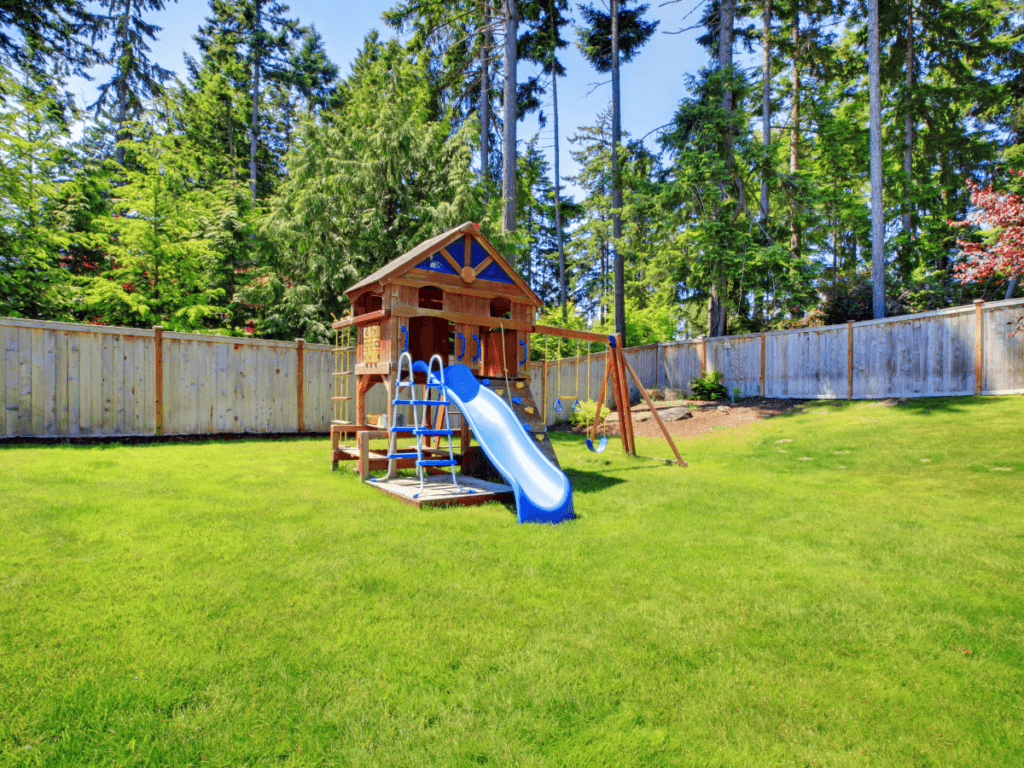
Creating safe and engaging kids play areas starts with thoughtful planning. A well-designed outdoor space should encourage exploration, creativity, and physical activity while also addressing safety, comfort, and long-term usability.
Whether you’re designing a dedicated playground or incorporating play features into a backyard, the goal is to create an environment where children can play confidently and parents can feel at ease.
Important Design Considerations
Every successful play area begins with a clear understanding of how the space will be used. Children benefit from having opportunities for different types of play, so it helps to create a layout that supports a variety of activities.
Active zones for climbing, running, and swinging can be balanced with quieter areas for imaginative play, reading, or relaxing.
Functionality should guide every design decision. Paths should be easy to navigate, equipment should be age-appropriate, and sightlines should allow caregivers to supervise children comfortably. The layout should also account for future growth, allowing the space to adapt as children’s interests and abilities change over time.
Safety remains one of the most important considerations when designing kids play areas. Play equipment should be installed according to established safety guidelines, and surfaces should help reduce the risk of injury from falls.
Adequate spacing between structures can also prevent overcrowding and minimize accidents during active play.
What Are Effective Backyard Play Area Ideas For Metro Atlanta Homes?
Designing kids play areas in Metro Atlanta requires special attention to the region’s climate. Hot summers and frequent sunshine make shade an essential part of any outdoor play space.
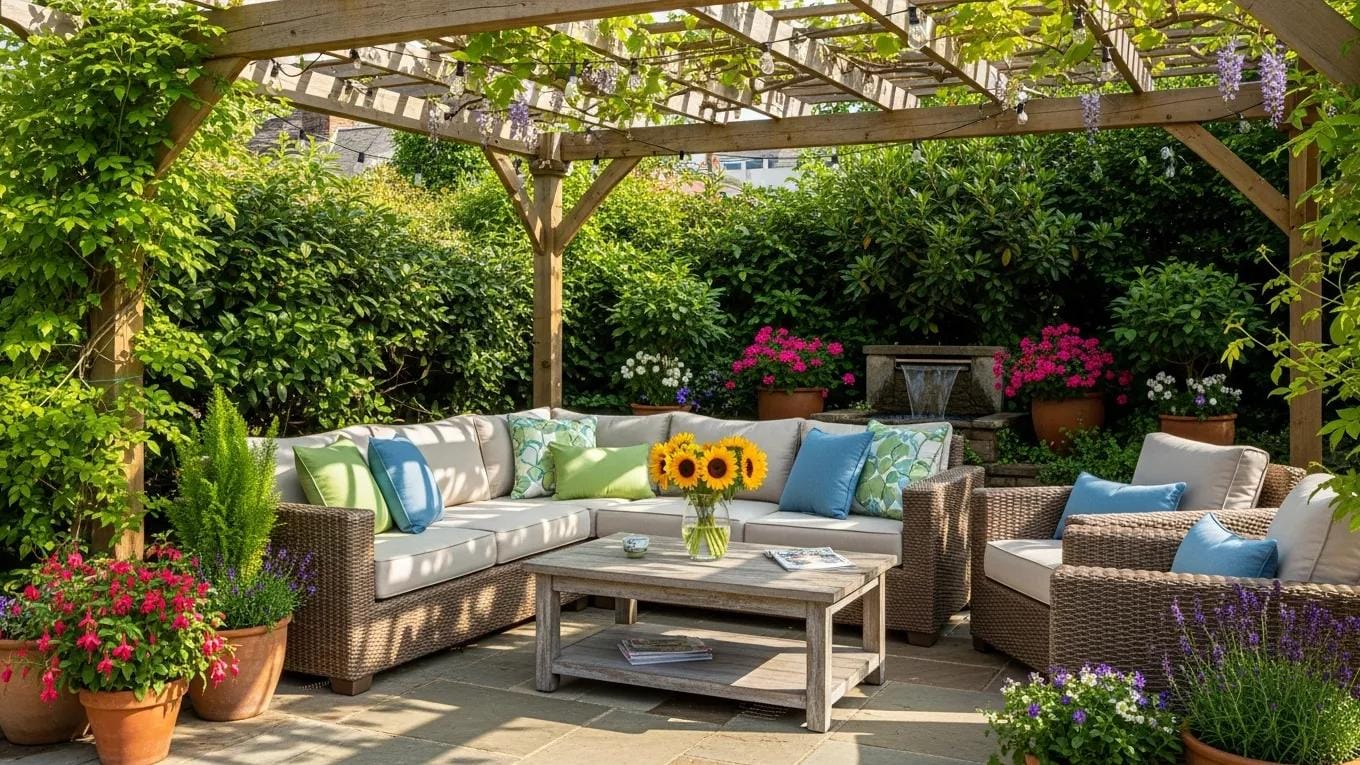
Natural shade from mature trees can provide cooling benefits while enhancing the appearance of the landscape. In areas where trees are not available, shade sails, pergolas, or covered play structures can offer valuable protection from direct sunlight.
Multi-purpose spaces are another practical option for residential properties. A play area can incorporate features that serve multiple functions, helping homeowners maximize available space.
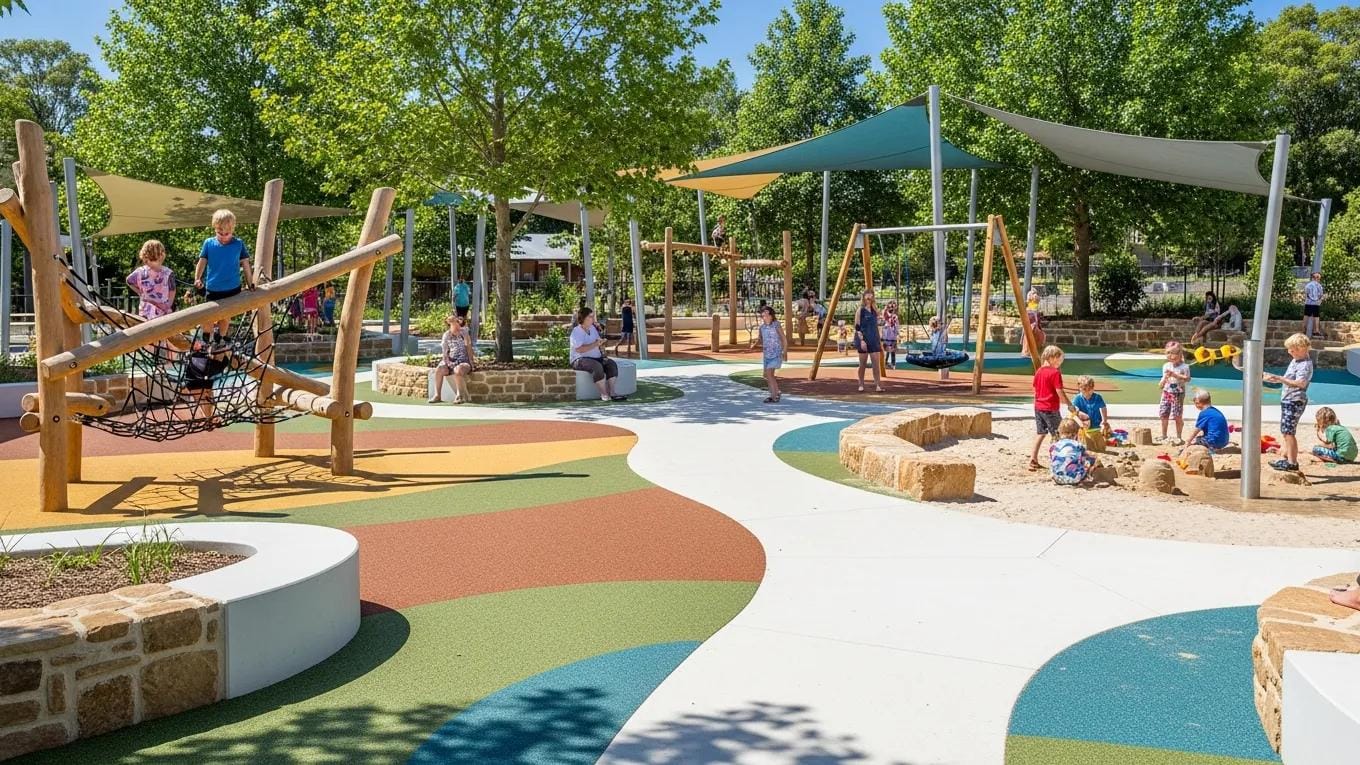
For example, seating walls can provide places for parents to relax while also defining play zones. Sand play areas, open lawn sections, and climbing features can work together to create a versatile environment that supports a variety of activities.
Using materials that complement the local landscape can also help the play area feel like a natural extension of the property rather than a separate feature. Stone, wood, and other regionally appropriate materials often blend seamlessly into Metro Atlanta’s outdoor spaces.
How To Design Play Areas Tailored To Local Landscape And Climate?
Environmental conditions should play a major role in the design process. Materials that perform well in Metro Atlanta’s heat, humidity, and seasonal weather changes will typically provide better long-term durability and require less maintenance.
Surface materials should remain comfortable underfoot, even during warmer months. Likewise, playground equipment should be selected with temperature considerations in mind, as some materials can become excessively hot when exposed to direct sunlight.
Drainage is another critical factor that is sometimes overlooked. Heavy rain can create standing water and muddy conditions if water management is not addressed during the design phase. Proper grading, permeable surfaces, and strategically placed drainage systems help keep kids play areas usable throughout the year.
Balancing Safety, Comfort, And Long-Term Use
A successful play space is more than just a collection of playground equipment. It should feel inviting, comfortable, and adaptable to changing needs. Incorporating shaded seating areas, clear walking paths, and durable materials helps create an environment that works for both children and adults.
Regular maintenance should also be part of the overall design strategy. Choosing low-maintenance materials and planning for easy access to equipment inspections can help preserve the safety and appearance of the space over time.
When thoughtfully planned, kids play areas become valuable outdoor environments that support physical activity, creativity, and family interaction.
By considering functionality, climate, safety, and local landscape conditions from the beginning, homeowners can create outdoor spaces that children will enjoy for years to come.
Hardscaping Solutions For Safety And Functionality
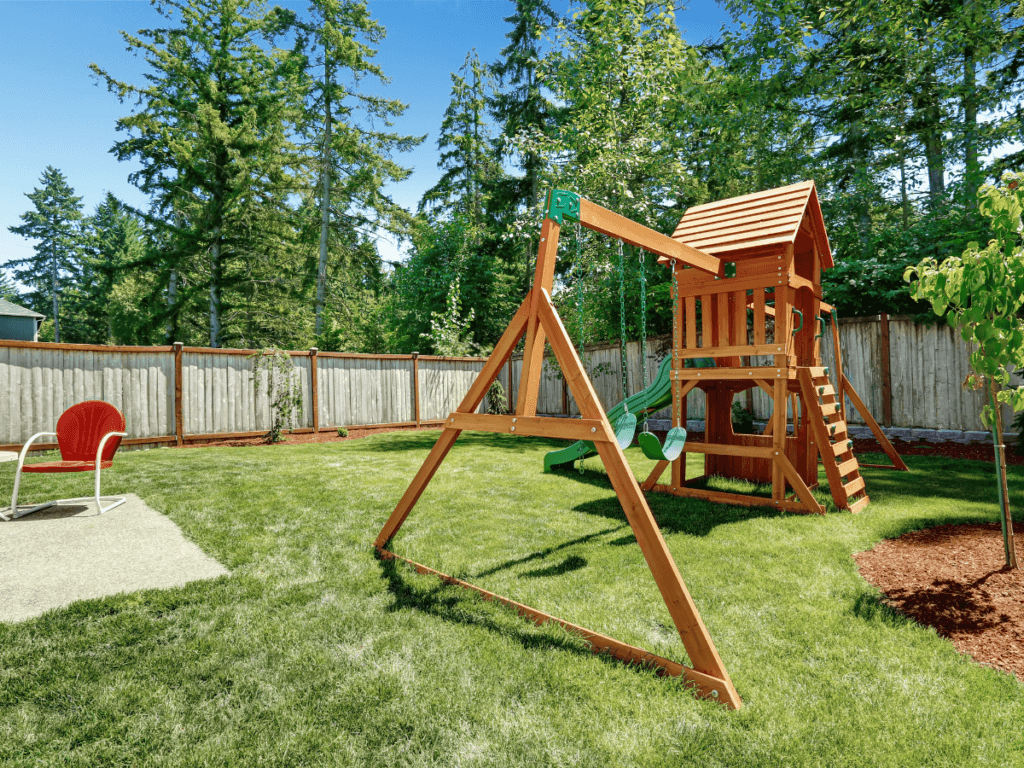
Well-designed kids play areas rely on more than playground equipment alone. The surrounding landscape plays an equally important role in creating a safe, organized, and enjoyable environment.
This is where hardscaping becomes valuable. Features such as pathways, seating areas, retaining walls, and patios help structure outdoor spaces while improving both usability and safety.
When thoughtfully planned, hardscaping creates a framework that supports active play, encourages supervision, and makes the entire area more functional for families.
Expert Hardscaping Solutions
Hardscaping refers to the permanent, non-living elements within a landscape. In kids play areas, these features help define how the space is used and how people move through it.
One of the most effective hardscaping solutions is the use of clearly defined pathways. Walkways help direct foot traffic, reduce wear on grass, and create safer routes between different play zones. Children can move more confidently through the space, while parents and caregivers have easier access for supervision.
Multi-level patios and terraces can also improve functionality. These features help separate activity areas without creating barriers, making it easier to organize spaces for different age groups or types of play.
Elevated seating areas, for example, can provide parents with clear sightlines across the play space while children remain engaged in nearby activities.
Seating walls are another practical addition. They provide convenient places for parents to relax, children to gather, and families to spend time together. Unlike movable furniture, built-in seating remains durable and requires minimal maintenance over time.
How Do Hardscaping Elements Enhance Kids’ Outdoor Play Areas?
One of the biggest benefits of hardscaping is its ability to bring structure and organization to outdoor environments. Without clearly defined spaces, play areas can feel cluttered or difficult to navigate.
Hardscaping helps establish boundaries between different activities while maintaining an open, inviting feel. A pathway may separate active play equipment from quieter areas designed for reading, creative play, or relaxation. This organization makes the space more enjoyable and easier to use.
In addition to improving flow, hardscaping contributes to overall durability. Kids play areas often experience heavy foot traffic, and properly installed hardscape features can withstand years of use while maintaining their appearance and functionality.
What Hardscape Features Improve Safety And Functionality?
Safety is one of the primary reasons homeowners and property managers invest in hardscaping. Certain features can significantly reduce common hazards while making outdoor spaces more practical.
Stable, level surfaces help minimize tripping risks. Uneven ground can create challenges for children running between activities, so properly installed pathways and patios contribute to a safer environment.
Drainage solutions are equally important. Standing water can create slippery conditions and make parts of the play area unusable after rain. Strategic grading, drainage systems, and permeable materials help direct water away from high-traffic areas and keep surfaces dry.
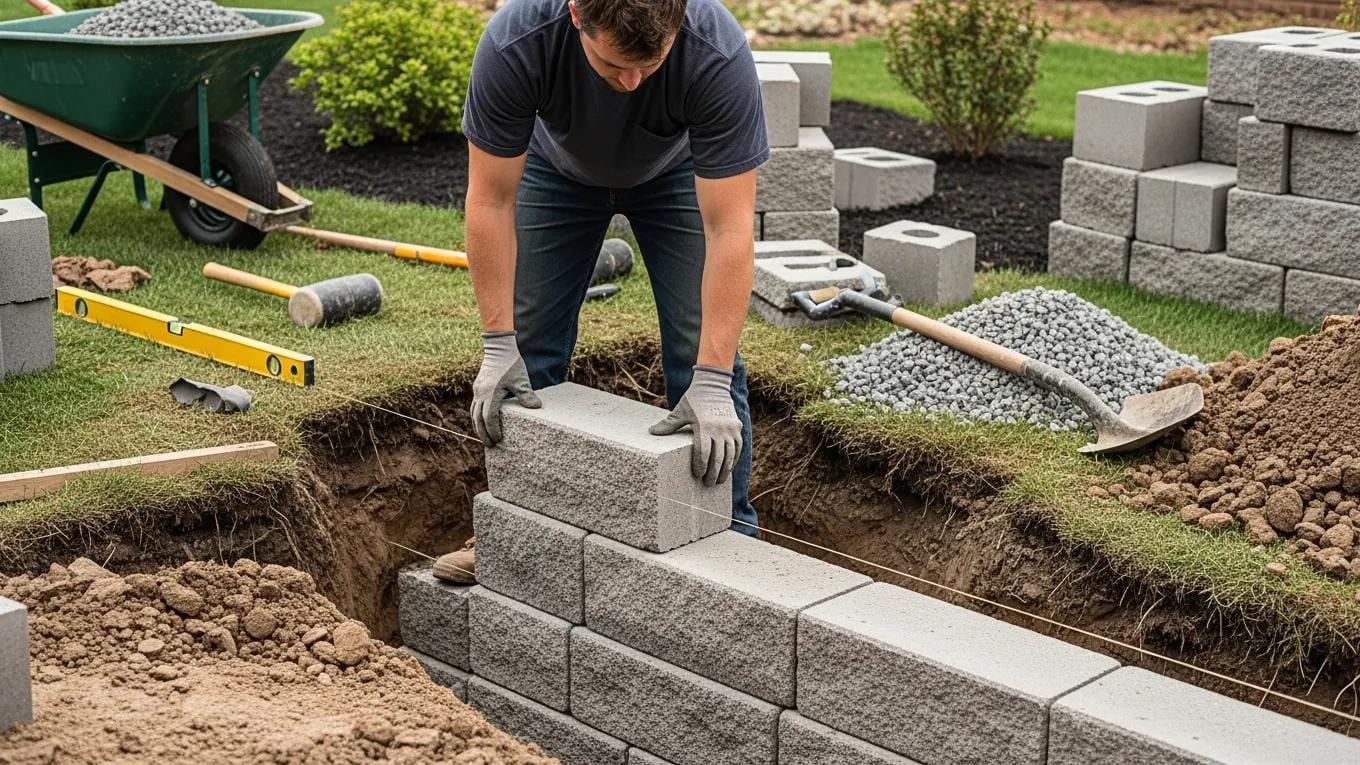
Retaining walls can also improve safety by preventing soil erosion on sloped properties. By stabilizing the landscape, these structures help maintain the integrity of kids play areas and reduce the need for ongoing repairs.
How To Integrate Custom Hardscaping With Play Equipment
The most successful outdoor play spaces are designed as a complete system rather than a collection of separate elements. Hardscaping and playground equipment should complement one another to create a cohesive environment.
Defining dedicated play zones is one effective approach. Hardscape features can establish clear boundaries between climbing structures, open play areas, seating spaces, and gathering spots. This organization helps children understand how to use the space while improving supervision for adults.
Material selection is another important consideration. Durable, low-maintenance surfaces should be chosen for areas that experience frequent use. At the same time, transitions between hardscape features and playground equipment should feel natural and seamless.
Attention to details such as spacing, visibility, and accessibility helps ensure that kids play areas remain safe, functional, and welcoming.
By combining quality hardscaping with thoughtfully placed play equipment, homeowners can create outdoor spaces that encourage active play while supporting long-term durability and safety.
Playground Surface Materials And Safety
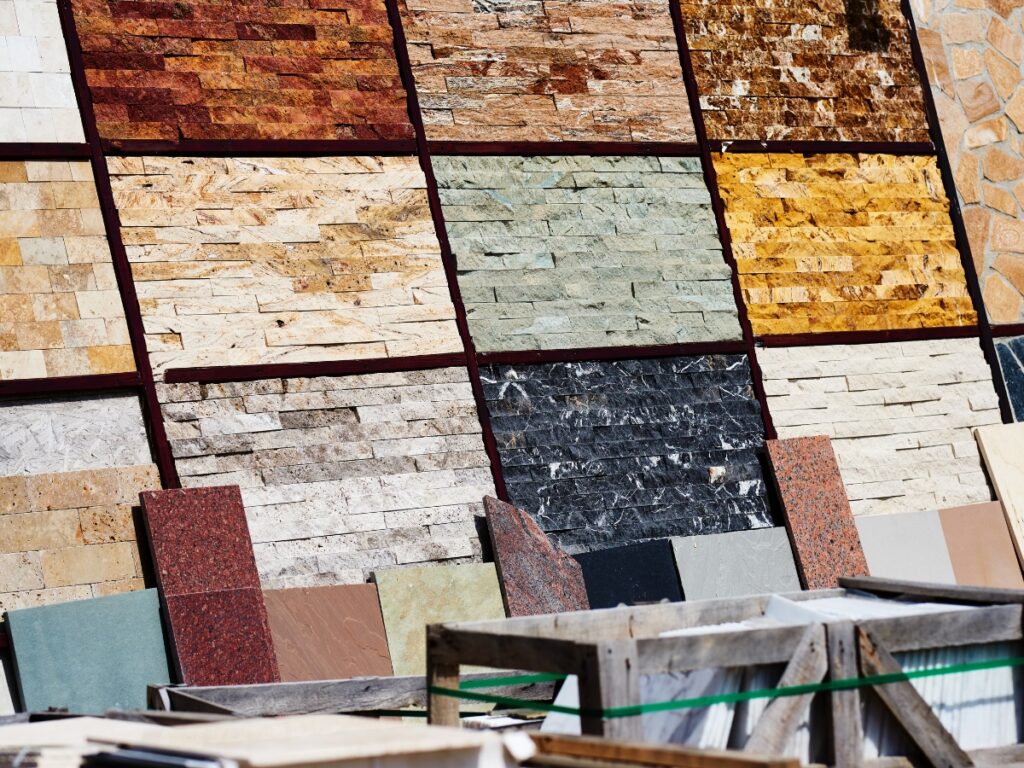
The surface beneath playground equipment plays a major role in the overall safety of kids play areas. While climbing structures, swings, and slides often get the most attention, the ground surface is what helps protect children when falls occur.
Choosing the right material can reduce injury risks, improve accessibility, and make the space easier to maintain over time.
Not all surface materials perform the same way. Factors such as durability, cushioning, drainage, maintenance requirements, and appearance should all be considered when selecting a surface for a playground or backyard play space.
Suitable Materials For Kids Play Areas
When evaluating materials for kids play areas, it’s important to strike a balance between safety and long-term performance. Some surfaces are designed primarily for impact protection, while others focus on durability or appearance.
Rubber mulch is one of the most popular options because it provides excellent shock absorption. Made from recycled rubber, it creates a cushioned surface that helps reduce the severity of falls while also resisting compaction over time.
Unlike organic materials, rubber mulch does not decompose quickly and generally requires less frequent replacement.
Paver patios are another common hardscape solution. While they are not typically used directly beneath climbing equipment, they work well for pathways, seating areas, and transition zones within playground spaces.
Their durability and low maintenance requirements make them a practical addition to many outdoor designs. Gravel is sometimes used because of its affordability and drainage capabilities.
However, it often requires ongoing maintenance to keep surfaces level and free of hazards. For this reason, gravel is generally better suited for surrounding landscape areas rather than primary play zones.
What Are The Best Safe Playground Surfaces For Kids?
When safety is the top priority, several materials consistently stand out for their ability to cushion falls and support active play.
Rubber mulch remains one of the most effective options due to its impact-absorbing properties. It provides a softer landing surface than many traditional materials and performs well in both residential and commercial kids play areas.
Engineered wood fiber is another widely used choice. This material consists of specially processed wood fibers designed to create a more stable and cushioned surface than standard mulch.
Many playgrounds use engineered wood fiber because it offers a natural appearance while still meeting safety requirements when properly maintained.
Poured-in-place rubber provides one of the highest levels of protection available. This seamless surface is installed directly on-site and creates a smooth, uniform play area. It offers excellent accessibility, consistent cushioning, and long-term durability, making it a popular choice for schools, parks, and high-use playgrounds.
How Do Surface Materials Impact Long-Term Maintenance?
Safety is important, but maintenance should also factor into the decision-making process. Some materials require frequent replenishment, leveling, or cleaning to maintain their effectiveness.
Loose-fill materials such as rubber mulch and engineered wood fiber may shift over time and need occasional redistribution. Regular inspections help ensure the proper depth is maintained beneath play equipment where impact protection is most critical.
Poured-in-place rubber generally requires less maintenance because it remains fixed in place. While the initial installation cost is higher, many property owners appreciate its long lifespan and consistent performance.
Drainage should also be considered. Proper water management helps prevent standing water, reduces surface deterioration, and keeps kids play areas usable throughout the year. Materials that allow water to drain efficiently often provide better long-term value and lower maintenance requirements.
Choosing The Right Surface For Safety And Performance
Every playground has unique requirements, but the goal remains the same: creating an environment where children can play safely and confidently. The right surface material helps protect against injuries while supporting the overall function and appearance of the space.
Whether you choose rubber mulch, engineered wood fiber, poured-in-place rubber, or a combination of materials, selecting a surface that matches the needs of your kids play areas is an important investment.
By considering safety, durability, maintenance, and accessibility together, you can create a play environment that serves children and families for years to come. them ideal for play areas.
Selecting Play Equipment For Hardscaped Spaces
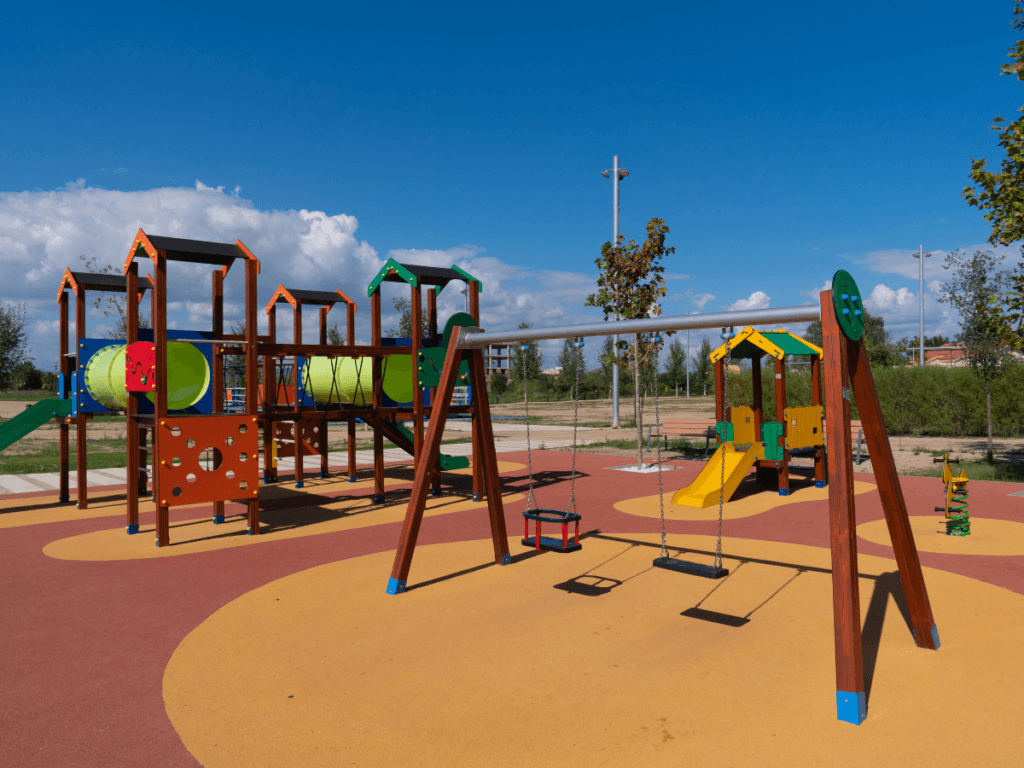
Hardscaping provides the structure and foundation for a well-designed outdoor play area, but the play equipment itself is what brings the space to life.
Choosing the right equipment requires more than simply selecting popular playground features. The equipment should work with the surrounding landscape, fit the available space, and support safe, active play.
When thoughtfully selected, playground equipment and hardscape features complement one another, creating kids play areas that are both functional and visually appealing. The goal is to create a balanced environment where children can explore, exercise, and interact while parents feel confident about safety and accessibility.
Which Outdoor Play Equipment Complements Hardscaped Spaces?
The best equipment choices are those that integrate naturally into the overall layout rather than competing with it. Hardscaped environments often provide clearly defined zones, making it easier to select equipment that serves a specific purpose within the space.
Climbing structures are one of the most versatile options for kids play areas. They encourage physical activity, coordination, and problem-solving while fitting well into both large and small outdoor environments.
Whether it’s a climbing wall, rope feature, or multi-level play structure, these elements can become a focal point within a hardscaped design.
Swings continue to be a favorite for children of all ages. When incorporated into hardscaped spaces, swing sets should be positioned with adequate clearance around them and paired with appropriate safety surfacing. Their placement should also allow for easy supervision and smooth traffic flow throughout the play area.
Slides are another popular addition that work well alongside hardscape features. Elevated slides can be integrated into slopes, retaining walls, or raised play platforms to create a more cohesive design. This approach often makes better use of available space while adding visual interest to the landscape.
How Does Equipment Placement Affect Safety?
Selecting quality equipment is only part of the process. Proper placement plays a major role in how safe and functional kids play areas ultimately become.
Equipment should be positioned with enough room for children to move freely without crowding. Active features such as swings, climbing structures, and slides require dedicated safety zones to prevent collisions and ensure safe use.
Hardscape elements can help organize these spaces effectively. Pathways can guide movement between activity areas, while seating walls and patios can create observation zones for parents and caregivers. This organization improves supervision while helping children navigate the space more comfortably.
Surface selection is equally important. Areas surrounding playground equipment should include impact-absorbing materials designed to reduce injury risks from falls. Hard surfaces may be appropriate for walkways and gathering areas, but dedicated play zones typically require specialized safety surfacing.
How Can Hardscaping And Play Equipment Work Together?
The most successful kids play areas are designed as complete outdoor environments rather than separate components. Hardscaping and play equipment should support one another to create a cohesive experience.
For example, retaining walls can double as informal seating, while pathways can connect different activity zones throughout the space. Shade structures incorporated into hardscape designs can help keep play equipment cooler during warm weather, improving comfort and extending playtime.
Thoughtful integration also improves aesthetics. Choosing equipment colors, materials, and layouts that complement the surrounding landscape creates a more polished appearance and helps the play area blend naturally into the property.
Creating A Balanced Outdoor Play Environment
The right combination of play equipment and hardscaping can transform ordinary outdoor spaces into engaging destinations for children and families. Climbing structures, swings, and slides provide opportunities for active play, while pathways, seating areas, and safety surfaces help organize and support the overall environment.
When designing kids play areas, it’s important to consider how each element contributes to the larger experience. By combining age-appropriate equipment with carefully planned hardscape features, homeowners can create outdoor spaces that are safe, durable, and enjoyable for years to come.
Maintenance, Longevity, And Ongoing Safety
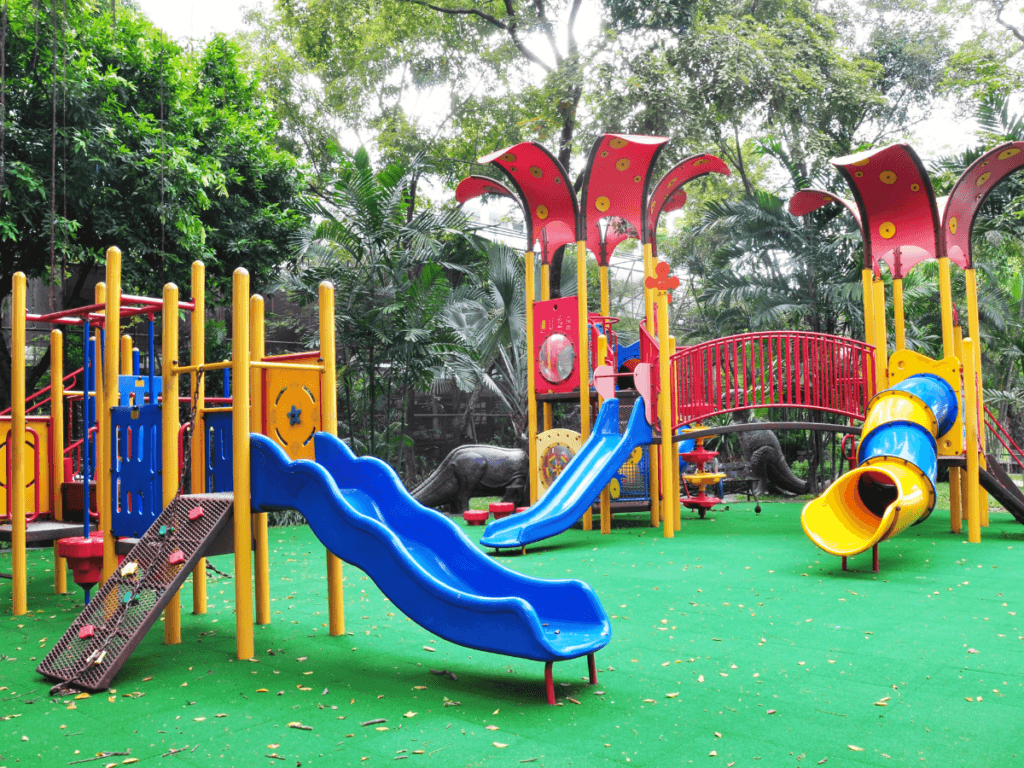
Creating great kids play areas is only the first step. To keep those spaces safe, attractive, and functional over the years, homeowners need a consistent maintenance plan. Outdoor play environments are exposed to weather, heavy use, and natural wear, all of which can affect safety and appearance if left unaddressed.
Routine care not only protects your investment but also helps ensure that children can continue enjoying the space without unnecessary risks. By staying proactive, homeowners can extend the life of playground equipment, safety surfaces, and surrounding landscape features while reducing the need for costly repairs.
How Can Homeowners Maintain And Ensure Longevity Of Kids Play Areas?
The key to maintaining kids play areas is addressing small issues before they become larger problems. Outdoor environments naturally experience wear from foot traffic, changing weather conditions, and everyday play. Regular attention helps preserve both safety and functionality.
Start by establishing a simple maintenance schedule throughout the year. Seasonal inspections allow homeowners to identify loose hardware, damaged surfaces, drainage concerns, or areas where landscaping may be encroaching on play zones. Catching these issues early helps prevent more extensive repairs later.
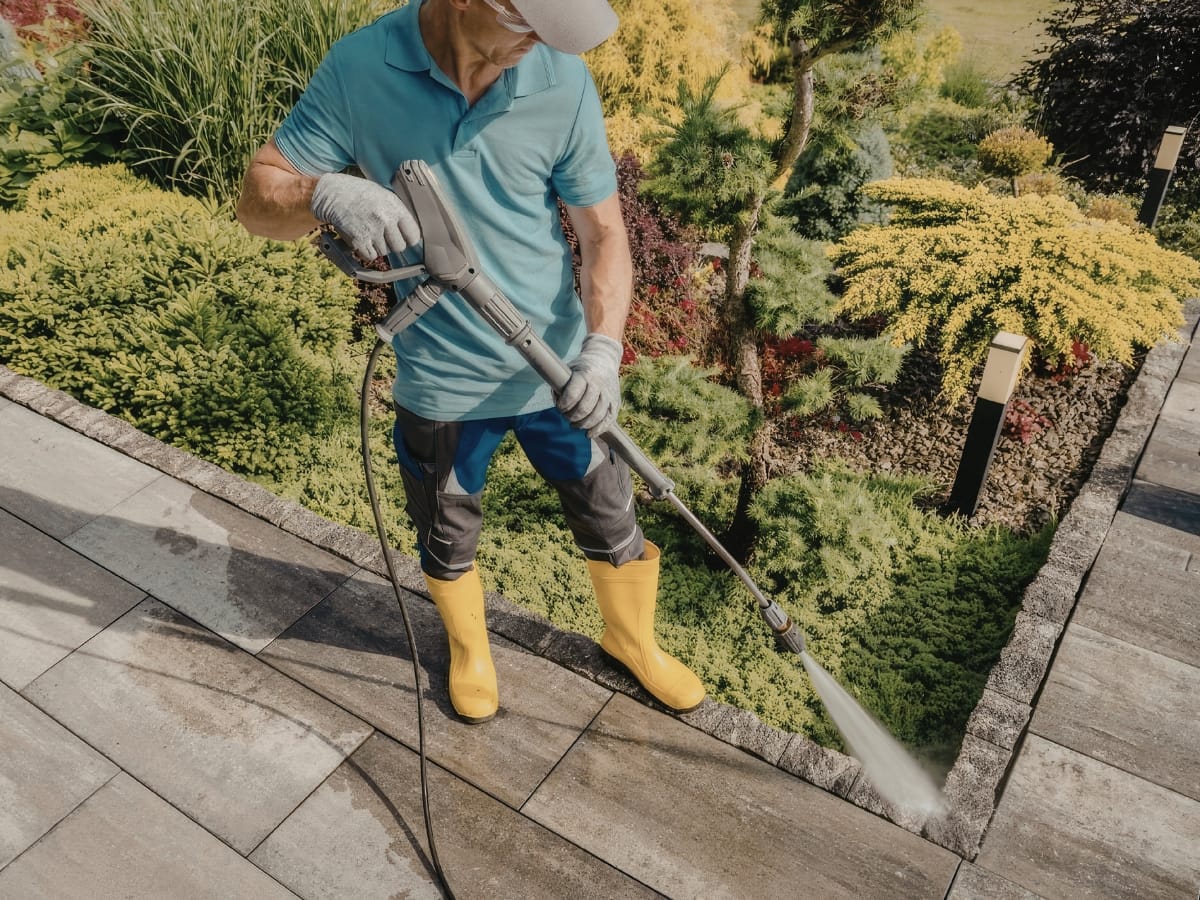
Cleaning also plays an important role in preserving the overall condition of the space. Dirt, leaves, branches, and other debris can create slip hazards or accelerate wear on surfaces. Keeping the area clean helps maintain both safety and appearance while making inspections easier.
What Are the Best Practices For Play Area Maintenance?
Effective maintenance goes beyond occasional cleaning. A well-maintained play area requires regular monitoring of both the equipment and the surrounding environment.
Routine inspections should be a priority. Check playground structures for signs of rust, cracking, loose fasteners, splinters, or other damage that could affect safety. Swings, slides, climbing structures, and other high-use features should receive particular attention since they experience the most wear over time.
Ground surfaces also require ongoing care. Whether the play area uses rubber mulch, engineered wood fiber, poured rubber, or another safety surface, maintaining proper depth and coverage is essential. Over time, materials can shift or become compacted, reducing their ability to cushion falls.
Landscaping maintenance is equally important. Grass, shrubs, and trees should be trimmed regularly to maintain clear sightlines and prevent vegetation from interfering with play equipment. Weed control helps keep the space looking tidy while reducing potential tripping hazards.
Why Are Drainage And Surface Conditions So Important?
One of the most overlooked aspects of maintaining kids play areas is water management. Poor drainage can create puddles, muddy surfaces, and erosion that affect both safety and usability.
After heavy rainfall, inspect the area for standing water or signs of runoff. If water consistently collects in certain areas, adjustments to grading, drainage systems, or surface materials may be necessary. Proper drainage helps preserve safety surfacing and prevents long-term damage to both playground equipment and hardscape features.
Surface conditions should also be monitored throughout the year. Cracks in pathways, uneven transitions between materials, or worn safety surfaces can increase the risk of trips and falls. Addressing these issues promptly helps maintain a safe environment for children.
Creating A Long-Term Safety Plan
The most successful kids play areas are those that receive consistent care over time. Rather than waiting for visible damage to appear, homeowners should view maintenance as an ongoing part of ownership.
Regular inspections, cleaning, drainage monitoring, and surface upkeep all work together to protect the space and extend its lifespan. These simple practices help ensure that playground equipment remains safe, attractive, and ready for daily use.
With a proactive approach, homeowners can keep kids play areas in excellent condition for years to come, providing a dependable outdoor space where children can play, explore, and grow safely.
Playground Safety Standards And Compliance
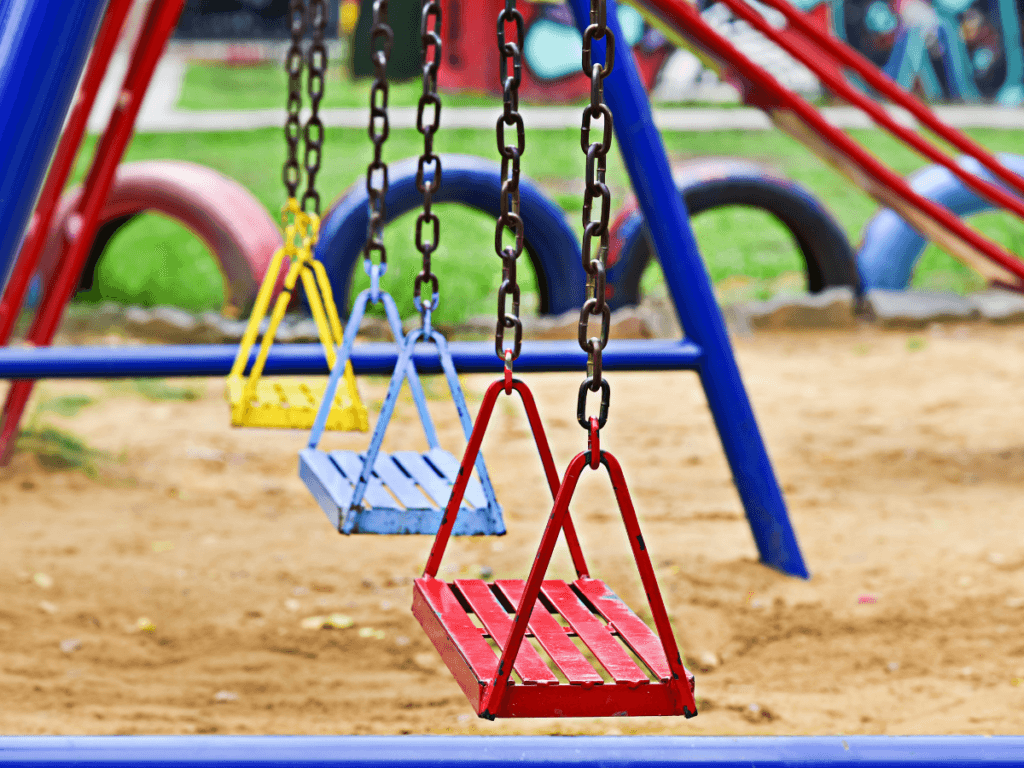
Designing fun and engaging kids play areas is important, but safety should always be the foundation of every decision.
Whether you’re creating a backyard play space, a community playground, or a school recreation area, following established safety standards helps reduce the risk of injuries and ensures children have a secure environment in which to play.
Playground safety regulations exist to guide everything from equipment spacing and surface materials to accessibility and maintenance requirements. While these standards may vary depending on location, their overall goal is the same: creating spaces that support healthy play while minimizing preventable hazards.
One of the first steps in compliance is understanding the safety guidelines that apply to your project. Local building codes, municipal requirements, and nationally recognized playground safety recommendations often influence how kids play areas should be designed and maintained.
Reviewing these standards during the planning phase can help prevent costly modifications later.
Understanding Safety Requirements During The Design Process
Safety compliance begins long before playground equipment is installed. During the design stage, factors such as equipment placement, fall zones, surface materials, and visibility should all be considered carefully.
Adequate spacing between structures allows children to move safely throughout the area without overcrowding. Proper sightlines are equally important, giving parents and caregivers clear visibility across the play space.
When planning kids play areas, designers should also consider age-appropriate zones so younger children and older children can play safely within spaces designed for their developmental needs.
Surface selection plays a major role as well. Materials such as rubber mulch, engineered wood fiber, and poured-in-place rubber are often chosen because they help cushion falls and improve overall playground safety.
Staying Current With Safety Standards
Playground safety guidelines continue to evolve as new research, materials, and design practices emerge. Homeowners, schools, and property managers should periodically review current recommendations to ensure their play areas remain compliant and effective.
This is particularly important when upgrading existing playgrounds. Equipment that met safety standards years ago may not fully align with today’s recommendations. Reviewing older installations can help identify opportunities for improvements that enhance both safety and accessibility.
For larger projects, working with experienced contractors or landscape professionals who understand playground regulations can simplify the process and help ensure that every aspect of the design meets current requirements.
The Importance Of Regular Safety Inspections
Even the best-designed kids play areas require ongoing evaluation. Weather, heavy use, and natural wear can affect playground equipment and safety surfaces over time.
Routine inspections help identify potential concerns before they become serious hazards. Loose hardware, damaged components, worn surfacing, and drainage issues should all be addressed promptly. Regular inspections also provide an opportunity to verify that equipment remains stable and that safety zones remain clear of obstacles.
Professional inspections can provide an additional layer of confidence, especially for larger playgrounds or public-use facilities. Experienced inspectors can identify issues that may not be immediately obvious and recommend corrective actions when necessary.
Creating A Safe And Enjoyable Play Environment
Compliance with playground safety standards is about more than meeting regulations. It reflects a commitment to creating spaces where children can explore, learn, and stay active with confidence.
By understanding applicable guidelines, staying informed about updates, and performing regular inspections, property owners can maintain kids play areas that remain safe, functional, and enjoyable for years to come.
A thoughtful approach to safety not only protects children but also helps preserve the long-term value and usability of the play space itself.
Conclusion
Designing a safe and durable outdoor play area requires thoughtful planning, quality materials, and a layout that encourages both fun and long-term functionality.
From protective surfaces and defined play zones to integrated seating and landscaping features, the right hardscaping solutions can help create a space where children can play safely while families enjoy the outdoors together.
Whether you’re building a new play area or upgrading an existing backyard, working with experienced professionals can help ensure lasting results. For custom outdoor living and hardscaping solutions, choose JR Artisan Outdoors.
If you’re ready to create a safe, beautiful outdoor space for your family, call (470) 762-0777 to speak with the team at JR Artisan Outdoors or visit our website to get a free quote today.