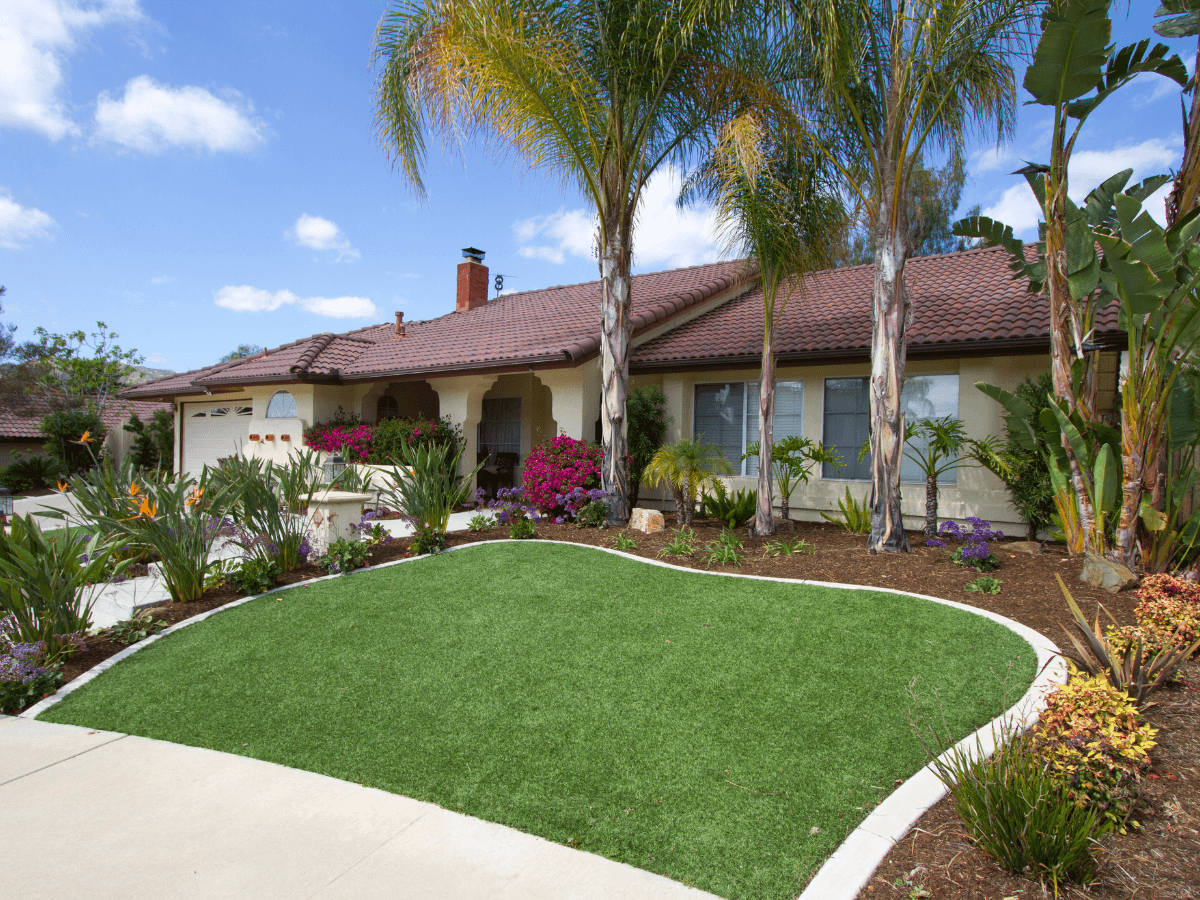
A perfectly green lawn without mowing, watering, or constant upkeep sounds appealing, but is artificial turf the right choice for your home?
As more homeowners look for ways to reduce maintenance and conserve water, synthetic grass has become an increasingly popular alternative to natural lawns. Still, it’s important to weigh the advantages against the potential drawbacks before making the investment.
Artificial turf for lawns offers benefits such as year-round curb appeal, lower water usage, and reduced maintenance, but it also comes with considerations like upfront costs, heat retention, and long-term durability.
Understanding both sides of the equation can help you decide whether it fits your lifestyle, climate, and outdoor goals. This guide explores the key pros and cons of artificial turf so you can make a confident, informed decision for your property.
What to Consider Before Installing Artificial Turf
Artificial Turf for Lawns: Benefits, Costs, and Long-Term Maintenance
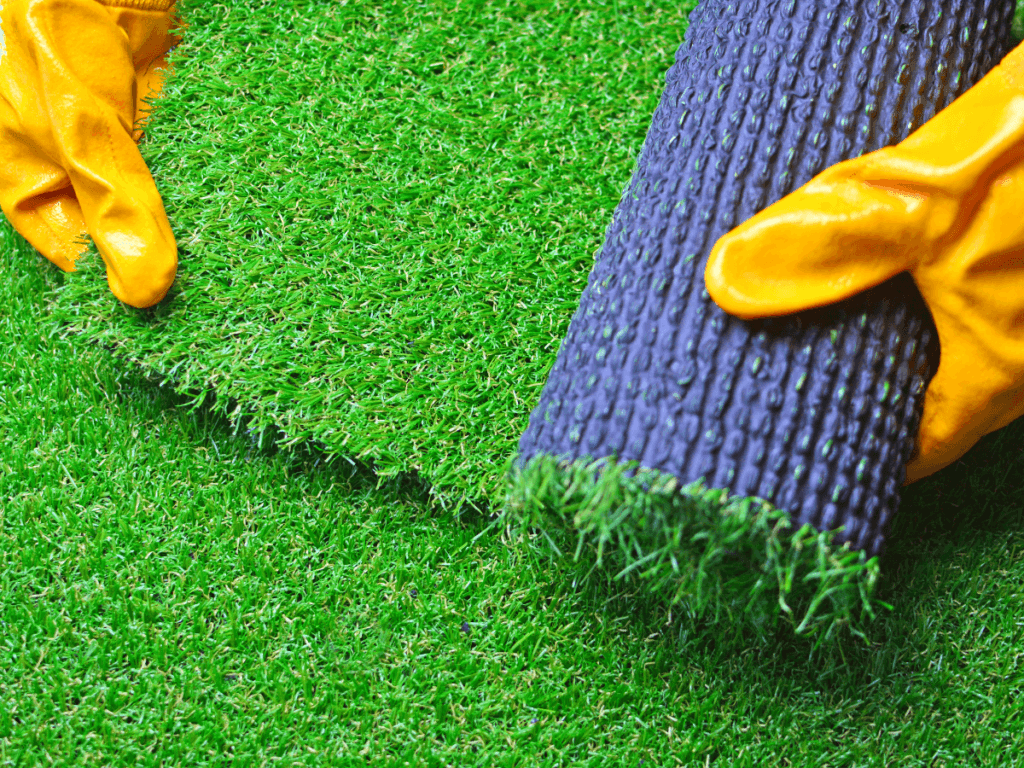
Artificial turf has become a popular alternative to natural grass for homeowners who want a green, attractive lawn without the constant upkeep. Modern synthetic grass is designed to closely resemble real turf while offering year-round consistency and durability.
Before deciding whether it’s the right choice for your property, it’s important to understand not only its advantages but also the costs, maintenance requirements, and potential trade-offs that come with installation.
The Pros and Cons of Artificial Turf
One of the biggest reasons homeowners choose artificial turf is its low-maintenance appeal. Unlike natural grass, it does not require mowing, watering, fertilizing, or routine reseeding.
This can save both time and water while keeping the lawn looking consistently green throughout the year, regardless of seasonal weather conditions.
Durability is another major advantage. Artificial turf holds up well in high-traffic areas, making it a practical option for families with children, pets, or outdoor entertainment spaces. It is also less likely to develop muddy patches or bare spots after frequent use, helping maintain a clean and attractive landscape.
However, there are a few considerations to keep in mind. The initial installation cost is typically higher than establishing a natural lawn, making it a larger upfront investment. Artificial turf can also become noticeably warmer than natural grass during hot, sunny weather.
While research has shown that its thermal impact differs from other hardscape materials such as asphalt or concrete, the surface itself can still feel hot under direct sunlight, particularly during peak summer temperatures.
Environmental considerations vary depending on the product selected. Some manufacturers produce artificial turf using recycled or recyclable materials, while others rely on conventional synthetic components.
Homeowners interested in sustainability should compare available products and consider how the material will be managed at the end of its useful life.
Understanding Installation Costs
The cost of installing artificial turf depends on several factors beyond the turf itself. Material quality, the size of the installation area, existing site conditions, and the complexity of the project all influence the final price.
On average, homeowners can expect installation costs to range from approximately $5 to $15 per square foot, although premium products or custom installations may exceed this range.
Before the turf is installed, the site typically requires excavation, grading, and preparation to create a stable base that supports proper drainage and long-term performance.
Additional expenses may include drainage systems, edging materials, weed barriers, or specialized infill products designed to improve stability and cushion the surface. While these features can increase the initial investment, they also contribute to the longevity and overall performance of the finished lawn.
Professional installation is often recommended because proper site preparation has a significant impact on how well artificial turf performs over time. A carefully installed system is less likely to develop drainage problems, uneven surfaces, or visible seams.
What Maintenance Does Artificial Turf Require?
Although artificial turf requires considerably less maintenance than natural grass, it is not entirely maintenance-free. Regular care helps preserve its appearance and extends its lifespan.
Routine maintenance typically includes removing leaves, branches, and other debris that can accumulate on the surface. Occasional rinsing helps wash away dust, pollen, and pet residue, while brushing the fibers periodically helps them remain upright, especially in areas that receive frequent foot traffic.
Some installations may also require infill to be replenished over time. Infill helps support the turf fibers, improves drainage, and contributes to a more natural feel underfoot. Depending on usage and environmental conditions, this material may need to be redistributed or topped off periodically.
Most quality artificial turf products have an expected lifespan of 10 to 20 years when properly maintained.
By balancing the initial investment with reduced lawn care requirements and long-term durability, homeowners can determine whether artificial turf is the right solution for creating a consistently attractive and low-maintenance outdoor space.
Choosing the Right Type of Artificial Turf for Your Lawn
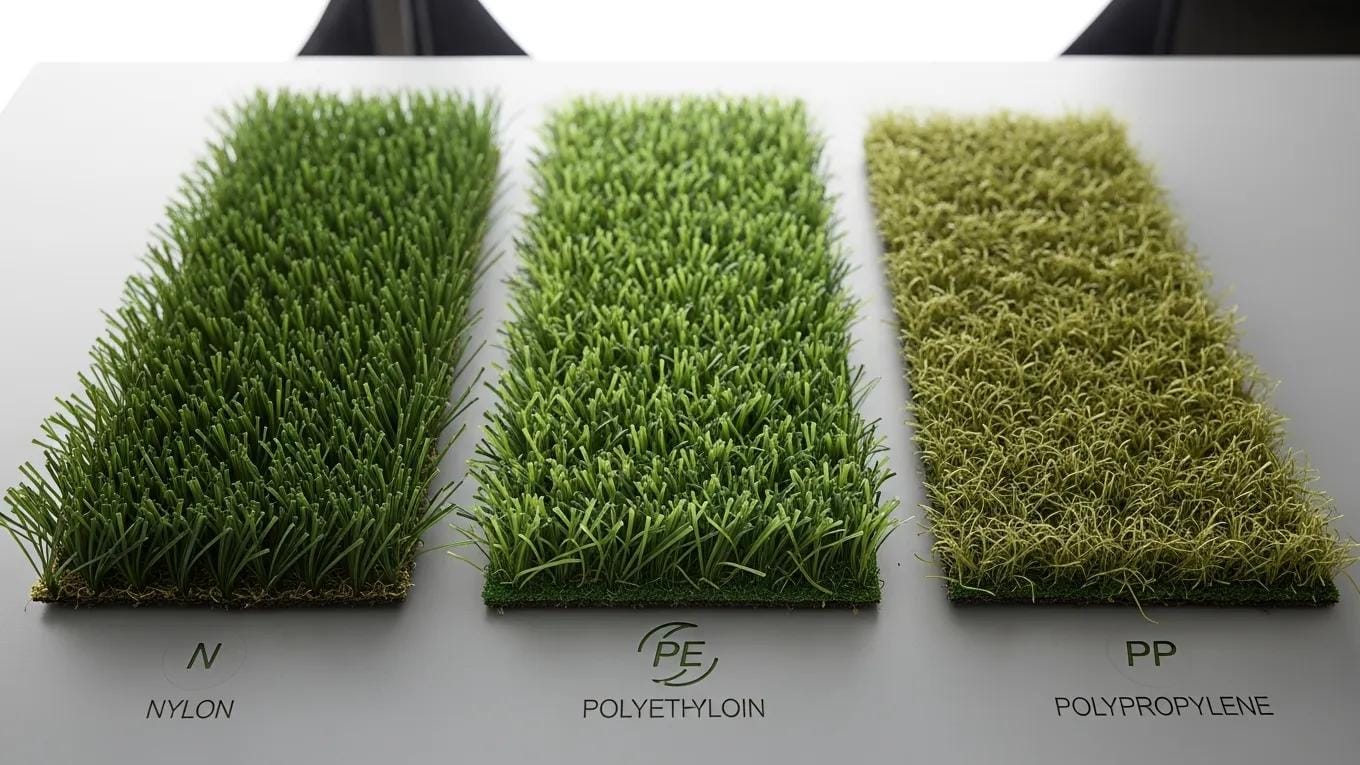
Not all synthetic grass products are made the same. Modern artificial turf is available in several materials, each designed to meet different needs, from creating a realistic-looking front lawn to withstanding heavy foot traffic in busy outdoor spaces.
Understanding the differences between these options can help homeowners choose a product that matches their budget, lifestyle, and long-term expectations.
Nylon Artificial Turf for Maximum Durability
Nylon is widely recognized as one of the strongest materials used in artificial turf. Its fibers are highly resilient, allowing the surface to recover quickly after repeated foot traffic, heavy furniture, or frequent outdoor activities.
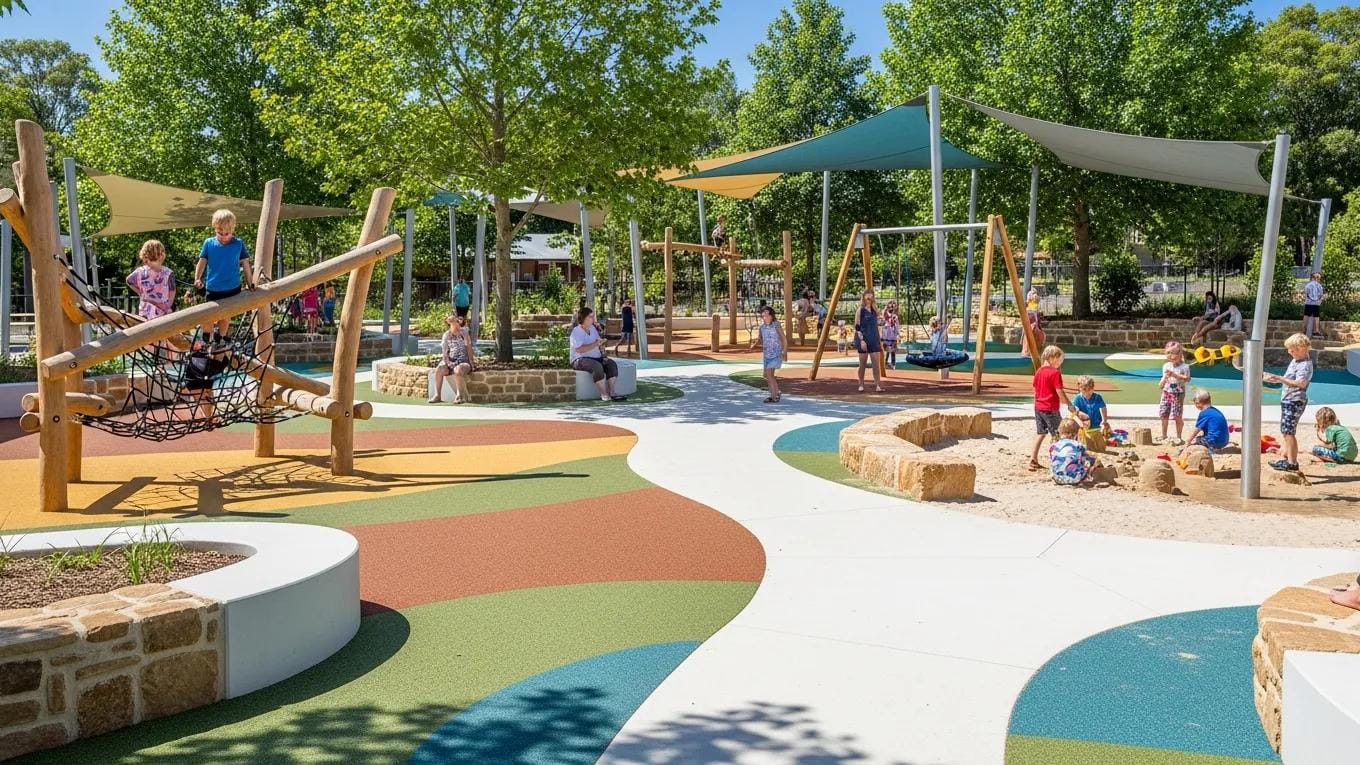
Because of its strength, nylon turf is often selected for areas that experience consistent use, such as playgrounds, sports facilities, putting greens, and commercial landscapes.
One of nylon’s biggest advantages is its ability to maintain its shape even under demanding conditions. The fibers resist flattening and generally hold up well in changing weather, making the surface look attractive for many years with proper maintenance.
The trade-off is cost. Nylon is typically the most expensive type of artificial turf available, and its firmer texture may not provide the same soft feel that many homeowners prefer for residential lawns. For homeowners prioritizing durability above everything else, however, it remains one of the strongest long-term options.
Polyethylene Artificial Turf for a Natural Residential Lawn
Polyethylene has become one of the most popular choices for residential artificial turf because it offers an excellent balance between appearance, comfort, and durability.
The fibers are softer than nylon and are manufactured to closely resemble the color and texture of natural grass, creating a realistic-looking lawn throughout the year.
This material works particularly well in front yards, backyards, pool areas, and outdoor living spaces where appearance is just as important as performance. It provides a comfortable surface for children to play on and for homeowners who enjoy spending time outdoors barefoot.
Although polyethylene is not quite as durable as nylon under extremely heavy use, it performs well for most residential applications. Many premium artificial turf products combine polyethylene fibers with quality infill systems to improve resilience while preserving their natural appearance.
For homeowners seeking a lawn that looks and feels like real grass without the maintenance demands, polyethylene is often the preferred choice.
Polypropylene Artificial Turf for Budget-Friendly Projects
Polypropylene is generally the most affordable type of artificial turf and can be a practical solution for areas that receive only light foot traffic.
Because it is less expensive to manufacture, it is often used for decorative landscaping, temporary installations, trade show displays, or spaces where durability is not the primary concern.
Compared to nylon and polyethylene, polypropylene fibers are less resilient and more susceptible to wear over time. They can flatten more easily with regular use and may fade or deteriorate more quickly when exposed to prolonged sunlight and high temperatures.
For this reason, polypropylene is usually not recommended for heavily used residential lawns or active outdoor living areas. However, when installed in the right location, it can still provide an attractive, low-maintenance alternative to natural grass at a lower upfront cost.
Ultimately, selecting the right artificial turf depends on how the space will be used. Homeowners looking for maximum durability may prefer nylon, while those focused on creating a realistic residential lawn often choose polyethylene.
For decorative or lower-traffic applications, polypropylene can provide a cost-effective solution. By understanding the strengths and limitations of each material, homeowners can invest in artificial turf that delivers the appearance, performance, and longevity best suited to their outdoor space.
Weighing the Advantages and Disadvantages of Artificial Turf
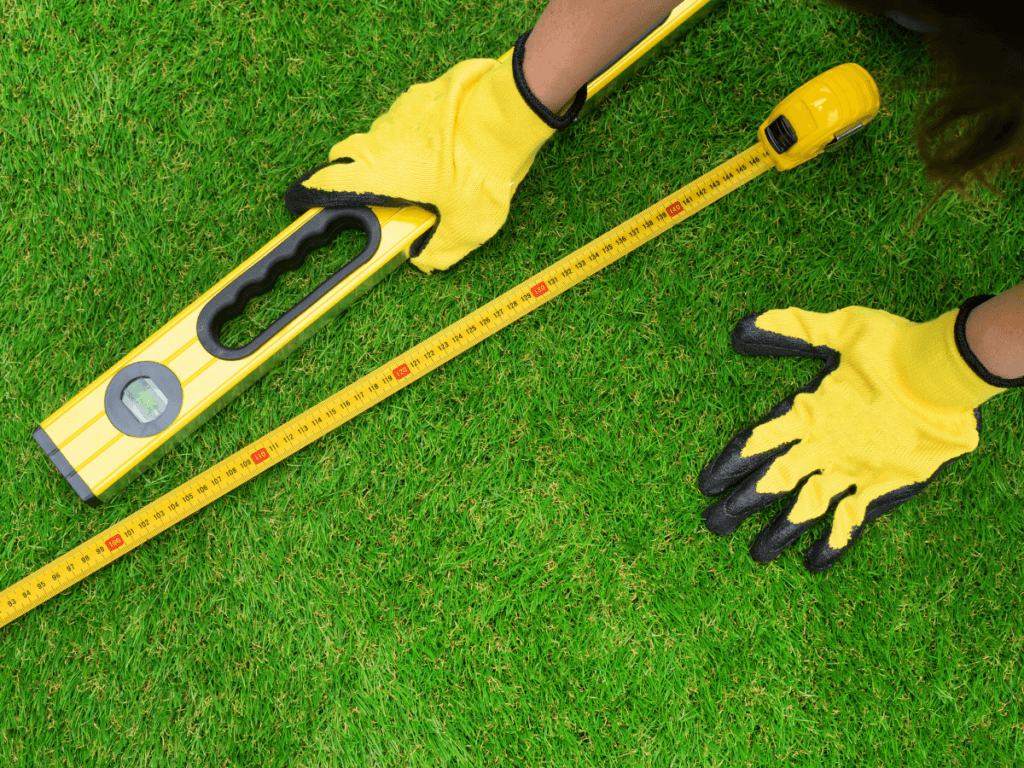
Artificial turf offers several practical benefits, but like any landscaping investment, it also comes with trade-offs. While many homeowners are drawn to its low-maintenance appeal and year-round appearance, it’s worth considering installation costs, long-term performance, and how the surface will be used.
Understanding both the strengths and limitations of artificial turf can help you decide whether it’s the right solution for your property.
The Biggest Benefits of Artificial Turf
One of the most noticeable advantages of artificial turf is its ability to maintain a consistently green, well-manicured appearance throughout the year.
Unlike natural grass, it doesn’t turn brown during dry spells or become patchy after heavy use. This makes it an attractive option for homeowners who want a tidy lawn without the ongoing work of mowing, fertilizing, or reseeding.
Artificial turf also supports water conservation. Because it doesn’t require routine irrigation to stay healthy, homeowners can significantly reduce outdoor water consumption.
In regions where water restrictions are common, or utility costs are high, this can translate into meaningful long-term savings while supporting more sustainable landscaping practices.
Another benefit is its resistance to many of the problems that affect natural lawns. Synthetic grass isn’t vulnerable to weeds, common lawn diseases, or insect infestations in the same way living grass is.
As a result, homeowners often spend less time and money on pesticides, herbicides, and lawn treatments. For busy households or rental properties, this lower maintenance requirement can be especially appealing.
In addition, modern artificial turf is designed to withstand frequent use. Whether it’s installed in a family backyard, around a swimming pool, or in an outdoor entertainment area, it typically holds up well under regular foot traffic while maintaining its appearance.
Potential Drawbacks to Consider
Despite its many advantages, artificial turf isn’t the ideal choice for every property. The most significant consideration for many homeowners is the upfront investment.
Purchasing quality materials and having them professionally installed can cost considerably more than establishing a natural lawn, although the reduced maintenance expenses may help offset those costs over time.
Artificial turf also has a finite lifespan. Most high-quality products last between 10 and 20 years, depending on the level of use and how well they’re maintained. Eventually, the surface will need to be replaced, and homeowners should factor this future expense into their long-term planning.
Heat retention is another commonly discussed concern. Because synthetic grass absorbs and retains more heat than natural grass, it can become noticeably warmer during periods of direct sunlight.
While advancements in turf technology, cooling infills, and strategic landscaping have helped reduce this effect, homeowners in warmer climates may still want to incorporate shade structures, trees, or irrigation systems that can quickly cool the surface before use.
Is Artificial Turf the Right Long-Term Investment?
The decision to install artificial turf depends largely on your priorities and how you use your outdoor space. For homeowners who value convenience, water savings, and a consistently attractive lawn, the long-term benefits often outweigh the higher initial investment.
Families with children, pet owners, and those who frequently entertain outdoors may also appreciate its durability and low-maintenance nature.
On the other hand, homeowners who enjoy gardening, prefer the feel and environmental characteristics of natural grass, or have large landscapes where installation costs become substantial may find that traditional lawns remain a better fit.
Ultimately, artificial turf is best viewed as a long-term landscaping solution rather than a short-term upgrade. By carefully weighing its advantages against its limitations, homeowners can make an informed decision that aligns with their budget, maintenance expectations, and overall vision for their outdoor living space.
Why Artificial Turf Is a Low-Maintenance Alternative to Natural Grass
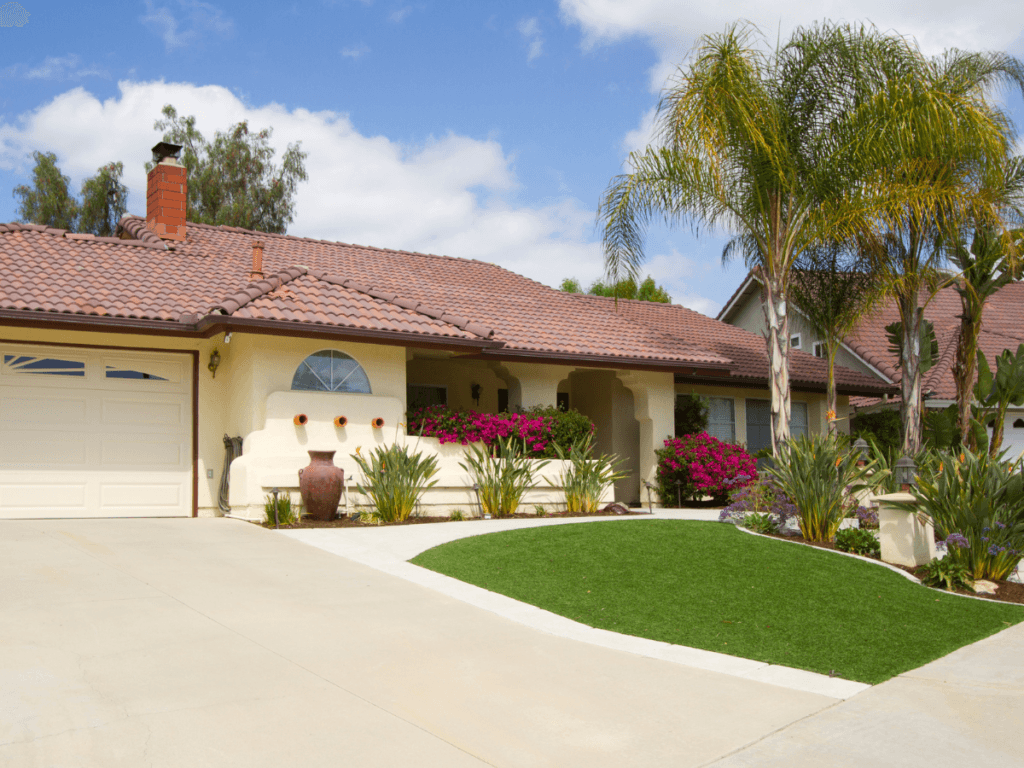
One of the biggest reasons homeowners choose artificial turf is the amount of time and effort it can save. Traditional lawns require ongoing attention throughout the year, from mowing and watering to fertilizing and weed control.
By comparison, artificial turf provides a consistently attractive lawn with far less routine maintenance, making it an appealing option for busy households and anyone looking to simplify landscape care.
Less Time Spent on Routine Lawn Care
Maintaining a natural lawn often means following a regular schedule of mowing, edging, watering, and seasonal treatments. These tasks can quickly add up, especially during the peak growing season. With artificial turf, most of that work is eliminated.
Because synthetic grass doesn’t grow, there’s no need to mow or trim it to keep it looking neat. It also doesn’t require fertilizers, pesticides, or reseeding to maintain its appearance. For homeowners, this means spending less time on lawn maintenance and more time enjoying their outdoor space.
Artificial turf also helps reduce water consumption. Since it doesn’t rely on irrigation to stay green, homeowners can significantly cut back on outdoor water use while still maintaining a healthy-looking lawn throughout the year.
This can be particularly valuable in regions that experience drought conditions or seasonal watering restrictions.
Durable Enough for Everyday Use
Beyond reducing maintenance, artificial turf is designed to withstand regular activity without showing the same signs of wear as natural grass.
Whether children are playing, pets are running around the yard, or guests are gathering outdoors, synthetic grass is built to handle repeated foot traffic while maintaining its appearance.
Unlike natural lawns, which can develop muddy patches, bare spots, or uneven growth in frequently used areas, artificial turf remains consistent across the entire surface.
This makes it a practical choice for backyards, play areas, pool surrounds, and outdoor entertainment spaces where durability is just as important as appearance.
Modern artificial turf products are also engineered to recover after use, helping the grass fibers remain upright and natural-looking. Occasional brushing may be recommended in high-traffic areas, but overall maintenance requirements remain minimal compared to caring for living grass.
Simple Maintenance Keeps It Looking Its Best
Although artificial turf is considered low maintenance, it still benefits from basic care to preserve its appearance and extend its lifespan. Periodically removing leaves, branches, and other debris prevents buildup on the surface, while occasional rinsing helps wash away dust, pollen, and pet residue.
Brushing the turf every so often can help lift flattened fibers in areas that receive frequent use, restoring the lawn’s natural look. Homeowners should also inspect drainage occasionally to ensure water continues to flow properly after rainfall.
These simple maintenance tasks take far less time than maintaining a traditional lawn and don’t require specialized lawn care equipment or ongoing chemical treatments.
For homeowners seeking an attractive landscape with fewer ongoing responsibilities, artificial turf offers an effective balance of appearance, durability, and convenience.
While it isn’t completely maintenance-free, the reduced workload compared to natural grass makes it an increasingly popular choice for modern residential landscapes.
Understanding Artificial Turf Installation Costs and the Installation Process
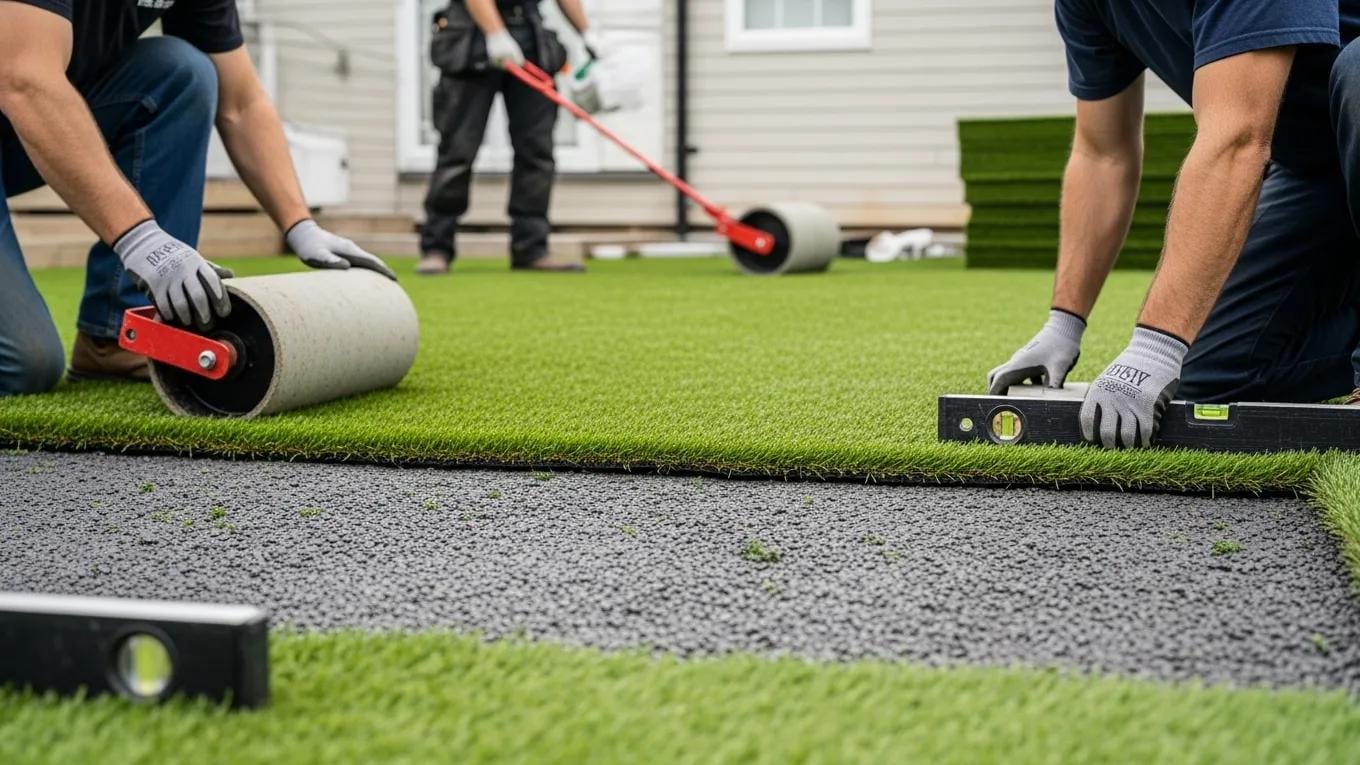
Installing artificial turf is more than simply laying synthetic grass over existing soil. A properly installed lawn relies on careful site preparation, quality materials, and a solid foundation to ensure it looks natural and performs well for years.
Understanding what the installation process involves, along with the factors that influence pricing, can help homeowners plan their project with confidence.
What Happens During an Artificial Turf Installation?
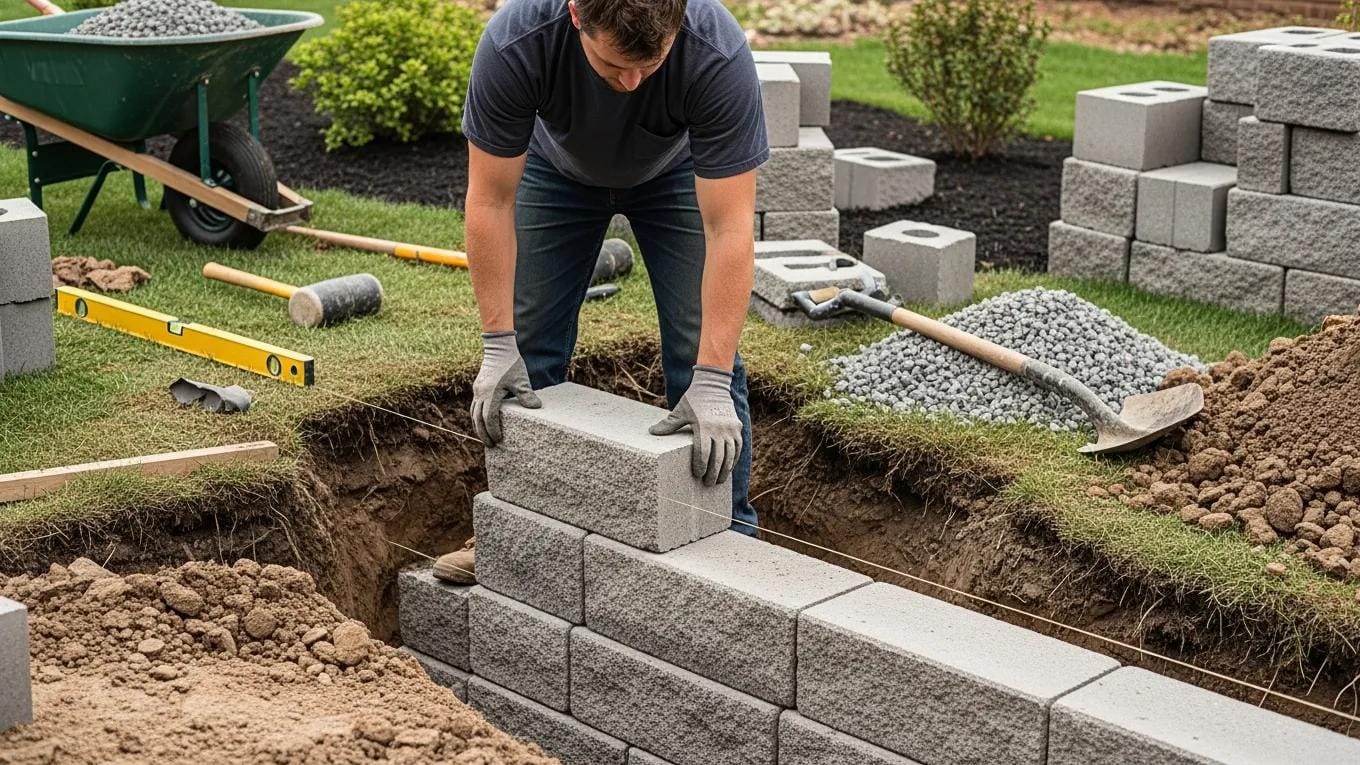
A successful artificial turf installation begins with preparing the site. Existing grass, weeds, rocks, and debris are removed so the new surface has a clean, stable foundation. The area is then graded and leveled to promote proper drainage and prevent uneven spots from developing after installation.
Once the site has been prepared, installers add a compacted base layer, typically made from crushed stone or gravel.
This layer is one of the most important parts of the project because it provides stability while allowing rainwater to drain efficiently. A properly constructed base helps prevent shifting, pooling water, and premature wear over time.
After the foundation is complete, the artificial turf is carefully rolled into place, trimmed to fit the space, and secured around the edges. Seams between individual sections are joined to create a uniform appearance so the finished lawn looks as natural as possible.
The final step usually involves applying infill material. Depending on the product selected, infill may consist of silica sand or other specialty materials designed to support the grass fibers, improve drainage, and add cushioning underfoot.
Once the infill is distributed, the turf is brushed to help the fibers stand upright and create a finished, realistic appearance.
What Affects the Cost of Artificial Turf Installation?
The cost of installing artificial turf depends on several factors, and understanding them can help homeowners estimate their overall investment more accurately.
One of the biggest considerations is the size of the installation area. Larger projects require more materials and labor, naturally increasing the total cost. However, the cost per square foot may sometimes decrease slightly on larger installations due to efficiencies in labor and material use.
The type of artificial turf selected also plays a significant role. Premium products designed to closely resemble natural grass or withstand heavy foot traffic generally cost more than entry-level options. Features such as enhanced UV protection, improved drainage, and softer fibers can also influence pricing.
Site conditions are another important factor. Properties that require extensive excavation, grading, drainage improvements, or the removal of existing landscaping may involve additional labor before installation can begin.
Yards with slopes, difficult access, or irregular layouts may also require more time and specialized installation techniques.
Planning for a Long-Lasting Installation
While it may be tempting to focus primarily on the initial installation cost, the quality of the work often has a greater impact on the long-term value of artificial turf. Proper site preparation, a well-compacted base, and careful seam installation all contribute to a lawn that remains attractive and functional for many years.
For homeowners in Metro Atlanta, local climate conditions should also be considered during the planning process. Choosing artificial turf with effective drainage and UV-resistant materials helps the lawn perform well through heavy rain, high humidity, and extended sun exposure.
Although professional installation typically costs more than a do-it-yourself project, it can help avoid common problems such as uneven surfaces, poor drainage, visible seams, or premature wear.
By investing in quality materials and proper installation from the start, homeowners can enjoy artificial turf that delivers lasting performance, minimal maintenance, and a consistently attractive appearance throughout the year.
Incorporating Artificial Turf Into Outdoor Living Spaces
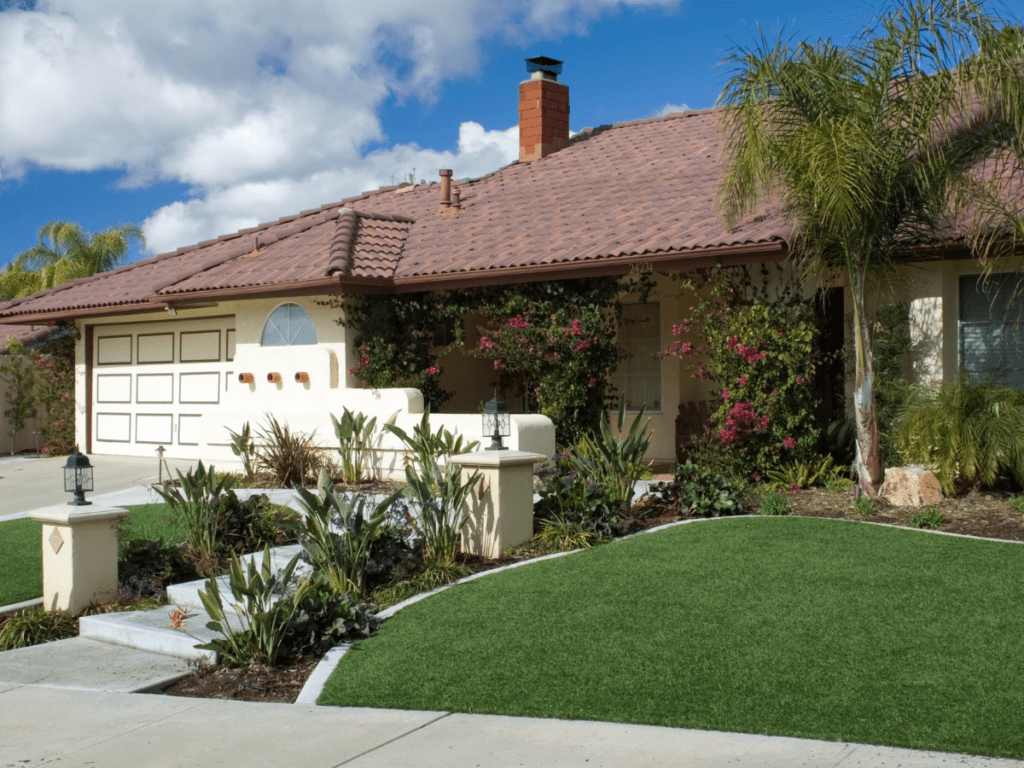
Artificial turf is no longer used only as a replacement for traditional lawns. Today, it’s often incorporated into complete outdoor living designs, where it works alongside patios, walkways, gardens, and entertainment areas to create attractive, functional spaces.
Because it stays green throughout the year and requires minimal upkeep, artificial turf offers homeowners a versatile landscaping material that complements a wide range of hardscape features.
Pairing Artificial Turf With Patios and Walkways
One of the most popular ways to use artificial turf is by combining it with hardscape elements such as patios, stepping stones, and walkways. The contrast between lush green turf and materials like concrete, natural stone, brick, or pavers creates a clean, modern look while helping define different areas of the landscape.
For example, artificial turf can soften the appearance of large paved surfaces by adding greenery between stepping stones or bordering outdoor seating areas. Around patios, it creates a comfortable transition from hard surfaces to landscaped spaces without the maintenance associated with natural grass.
This combination also improves usability. Since synthetic grass doesn’t become muddy after rain or wear away in high-traffic areas, homeowners can enjoy a consistently clean surface around outdoor gathering spaces throughout the year.
Creating Functional Outdoor Living Areas
Artificial turf works especially well in outdoor living spaces designed for entertaining or everyday relaxation. Because it requires little maintenance, homeowners can spend more time enjoying their backyard rather than caring for it.
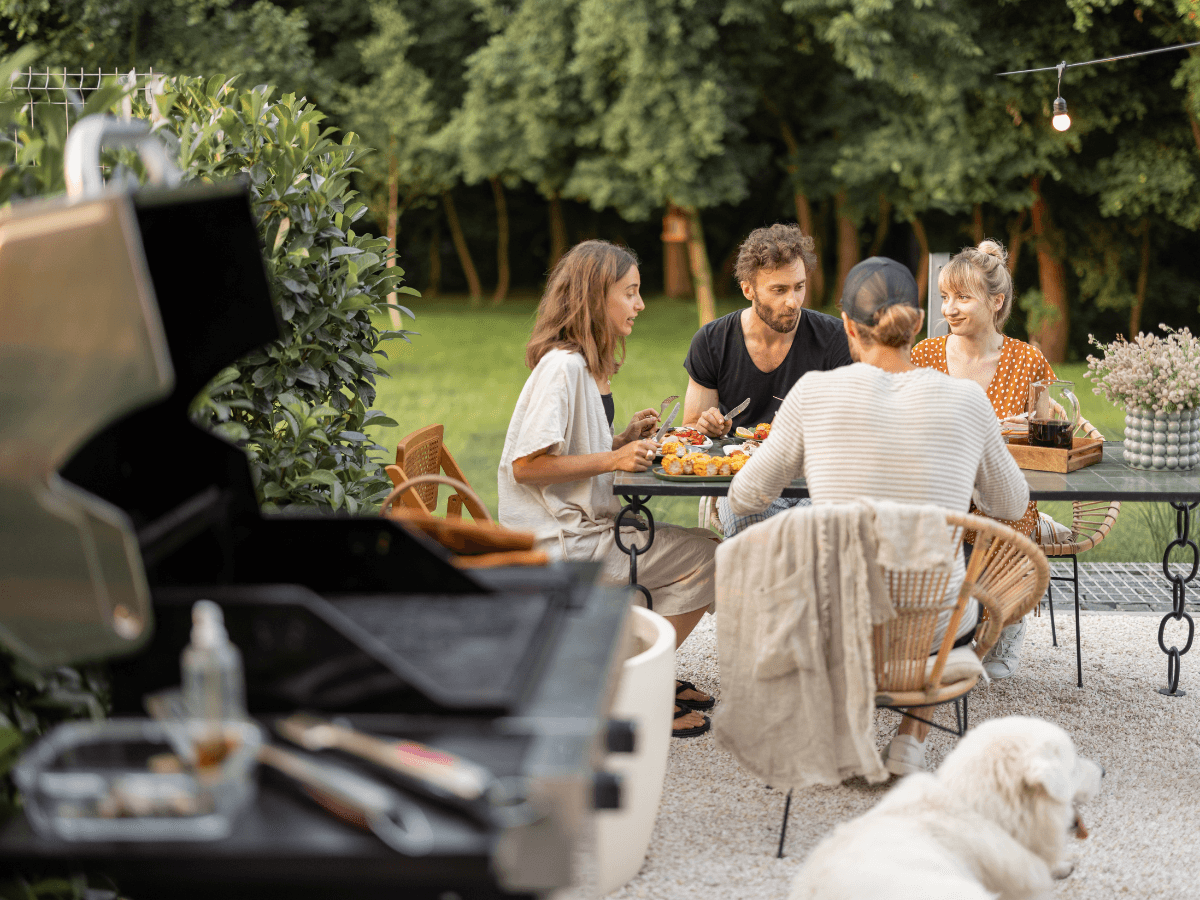
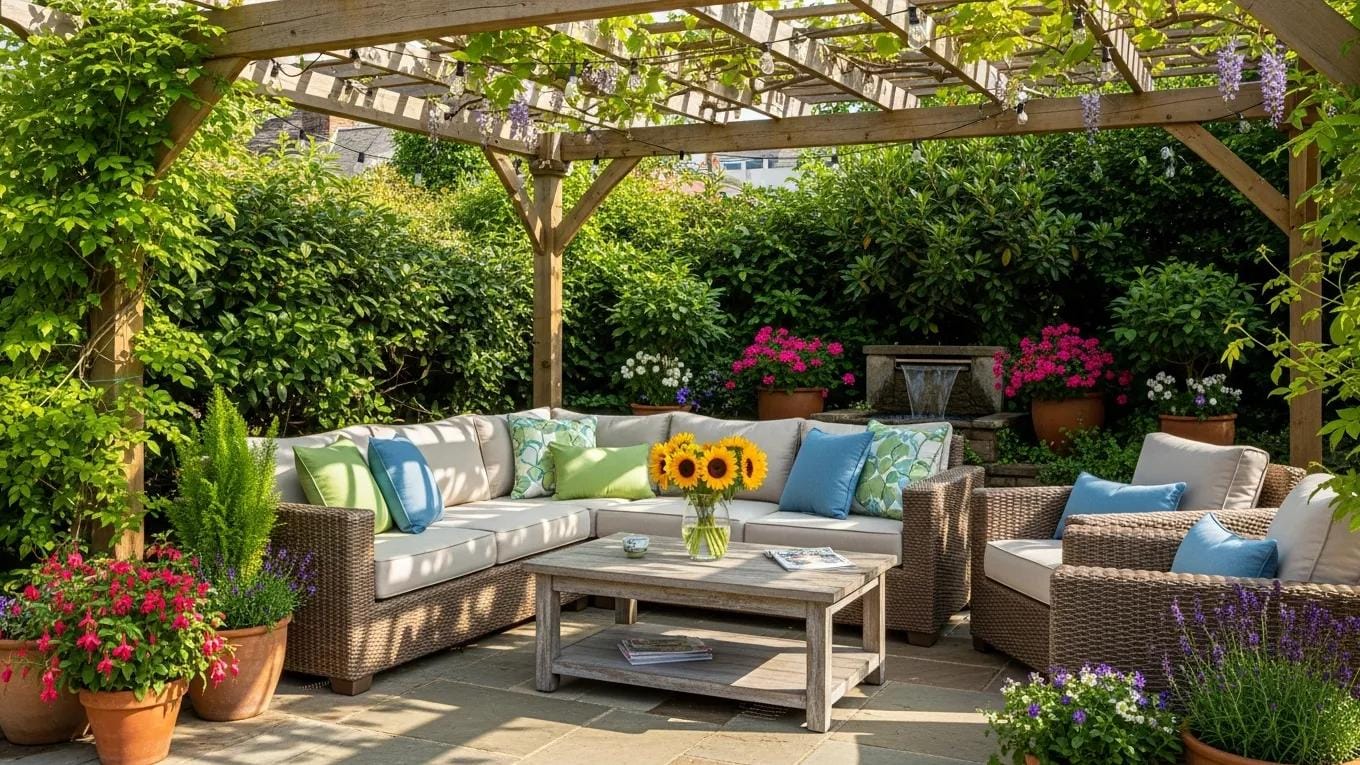
Many people install artificial turf around outdoor kitchens, fire pits, pergolas, and lounge areas to create a comfortable, inviting setting. It can also be used to define play spaces for children, pet-friendly zones, or open areas for lawn games without worrying about bare patches or damaged grass.
Around swimming pools, artificial turf provides a soft, attractive surface that complements surrounding decking while eliminating many of the maintenance challenges associated with natural lawns. Since there is no soil to wash into the pool, it can also help keep surrounding areas cleaner.
The flexibility of artificial turf allows homeowners to create distinct outdoor “rooms” while maintaining a cohesive overall landscape design.
Enhancing Landscape Design With Artificial Turf
Beyond its practical benefits, artificial turf offers significant design flexibility. It pairs well with retaining walls, decorative rock, raised garden beds, water features, and ornamental plants, making it suitable for both contemporary and traditional landscapes.
Designers often use artificial turf to introduce color and texture into areas where natural grass struggles to grow, such as shaded corners, narrow side yards, rooftop terraces, or courtyards.
It can also serve as an attractive backdrop that highlights landscape lighting, sculptures, or architectural features without competing for attention.
Because artificial turf is available in a variety of blade heights, colors, and textures, homeowners can choose products that complement the style of their home and surrounding landscape.
Whether the goal is a sleek, modern outdoor space or a lush garden-inspired retreat, synthetic grass can be incorporated without appearing out of place.
When thoughtfully integrated with hardscaping and landscape features, artificial turf becomes much more than a lawn replacement. It serves as a versatile design element that brings together beauty, durability, and functionality.
By blending artificial turf with patios, pathways, retaining walls, and outdoor living areas, homeowners can create landscapes that are visually appealing, easy to maintain, and enjoyable throughout every season.
Benefits of Combining Artificial Turf With Hardscaping
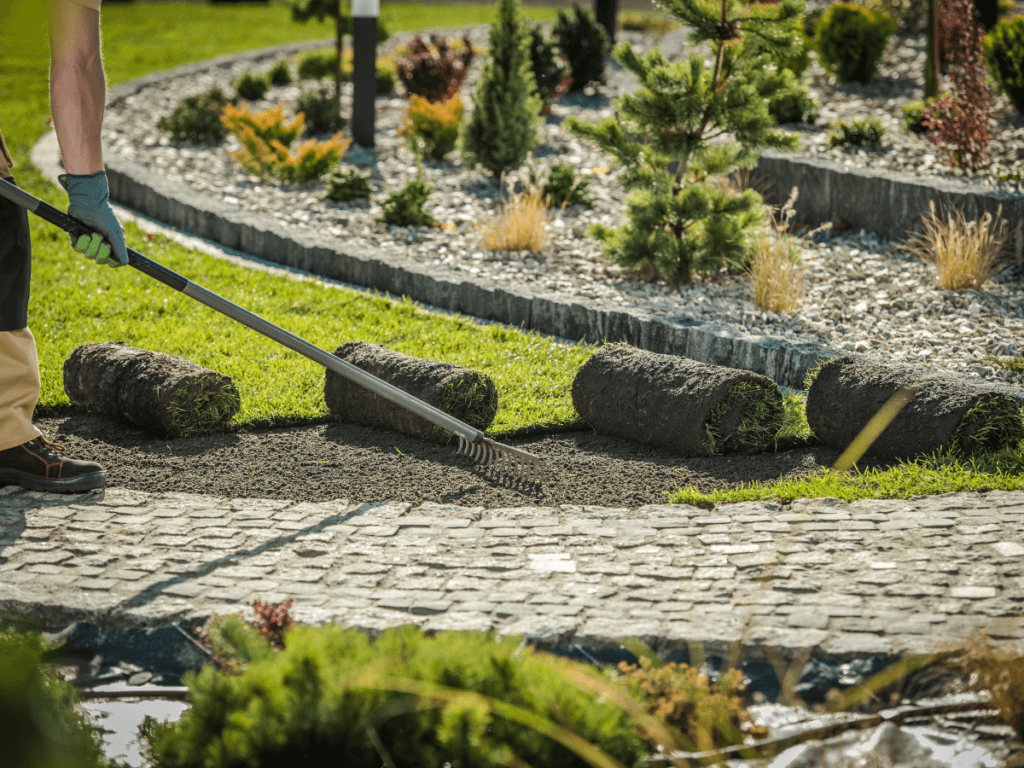
Blending artificial turf with hardscaping is an effective way to create an outdoor space that is both attractive and practical.
Instead of treating lawns and hard surfaces as separate elements, many homeowners use them together to create a balanced landscape that supports entertaining, recreation, and everyday living.
When thoughtfully designed, artificial turf and hardscaping complement one another while reducing the amount of maintenance required throughout the year.
Creates a More Visually Balanced Landscape
One of the biggest design advantages of combining hardscaping with artificial turf is the visual contrast it creates. The rich green color of synthetic grass helps soften the appearance of materials such as concrete, brick, pavers, and natural stone, preventing outdoor spaces from feeling overly hard or industrial.
This contrast works well with a variety of architectural styles, from contemporary homes with clean lines to more traditional landscapes featuring decorative stonework and mature plantings.
Artificial turf also provides year-round color, ensuring the landscape maintains its appeal even during seasons when natural grass might become dormant or patchy.
Because modern artificial turf closely resembles natural grass, it can tie together different sections of a landscape while maintaining a polished, cohesive appearance.
Helps Define Functional Outdoor Spaces
Artificial turf can also serve as a practical design tool by helping define how different parts of the yard are used. Instead of relying solely on fences or walls, homeowners can use changes in materials to naturally separate outdoor spaces.
For example, artificial turf can distinguish a children’s play area from a patio, create a comfortable surface around a fire pit, or frame an outdoor dining space. It can also connect separate hardscape features through green pathways or decorative borders, improving both the flow and usability of the landscape.
This flexibility allows homeowners to create outdoor environments that feel organized without sacrificing openness. Whether designing a compact backyard or a larger property, artificial turf helps establish distinct activity zones while maintaining visual continuity throughout the space.
Reduces Long-Term Landscape Maintenance
Another major benefit of combining artificial turf with hardscaping is the reduction in ongoing maintenance. Since both elements require relatively little routine care compared to traditional landscaping, homeowners spend less time mowing, watering, edging, and repairing worn lawn areas.
Artificial turf remains green without irrigation or fertilization, while hardscape features such as patios, walkways, and retaining walls generally require only occasional cleaning and inspections. Together, these materials create outdoor spaces that remain attractive throughout the year with minimal upkeep.
The combination can also improve durability in high-traffic areas where natural grass often struggles to survive. Rather than dealing with muddy pathways, worn patches, or constant reseeding, homeowners can enjoy surfaces designed to withstand regular use while maintaining their appearance.
By integrating artificial turf with hardscaping, it’s possible to create outdoor living spaces that balance beauty, function, and convenience. The result is a landscape that not only looks well-designed but also supports everyday activities with far less maintenance than a traditional lawn-centered yard.
Conclusion
Artificial turf can be an excellent option for homeowners looking to reduce lawn maintenance while maintaining a clean, green appearance throughout the year.
By weighing the advantages and potential drawbacks, you can determine whether synthetic grass is the right fit for your lifestyle, budget, and outdoor living goals. Whether you’re updating a small backyard or planning a complete landscape transformation, working with experienced professionals can help ensure lasting results.
For expert outdoor living and landscaping solutions, choose JR Artisan Outdoors. If you’re considering artificial turf for your property, call (470) 762-0777 to speak with the team at JR Artisan Outdoors or visit their website to request your free quote today.