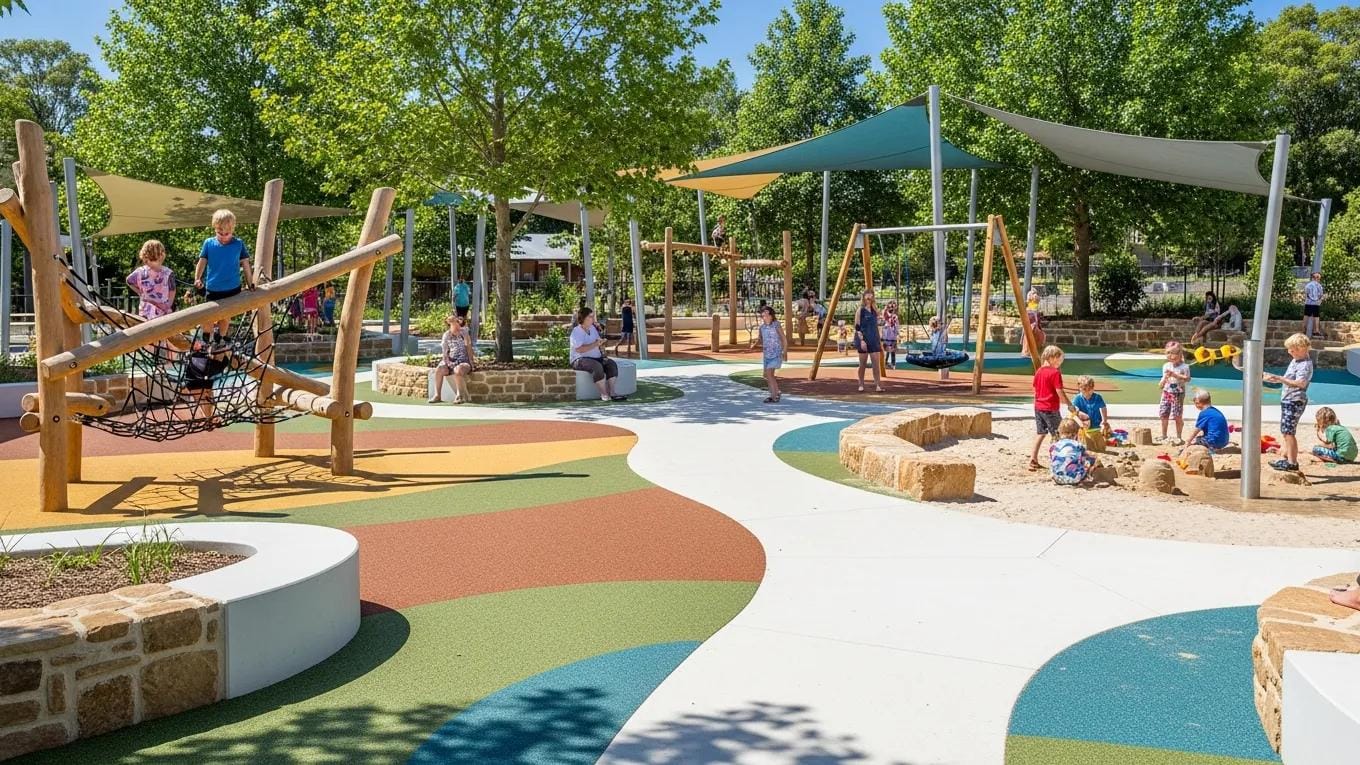
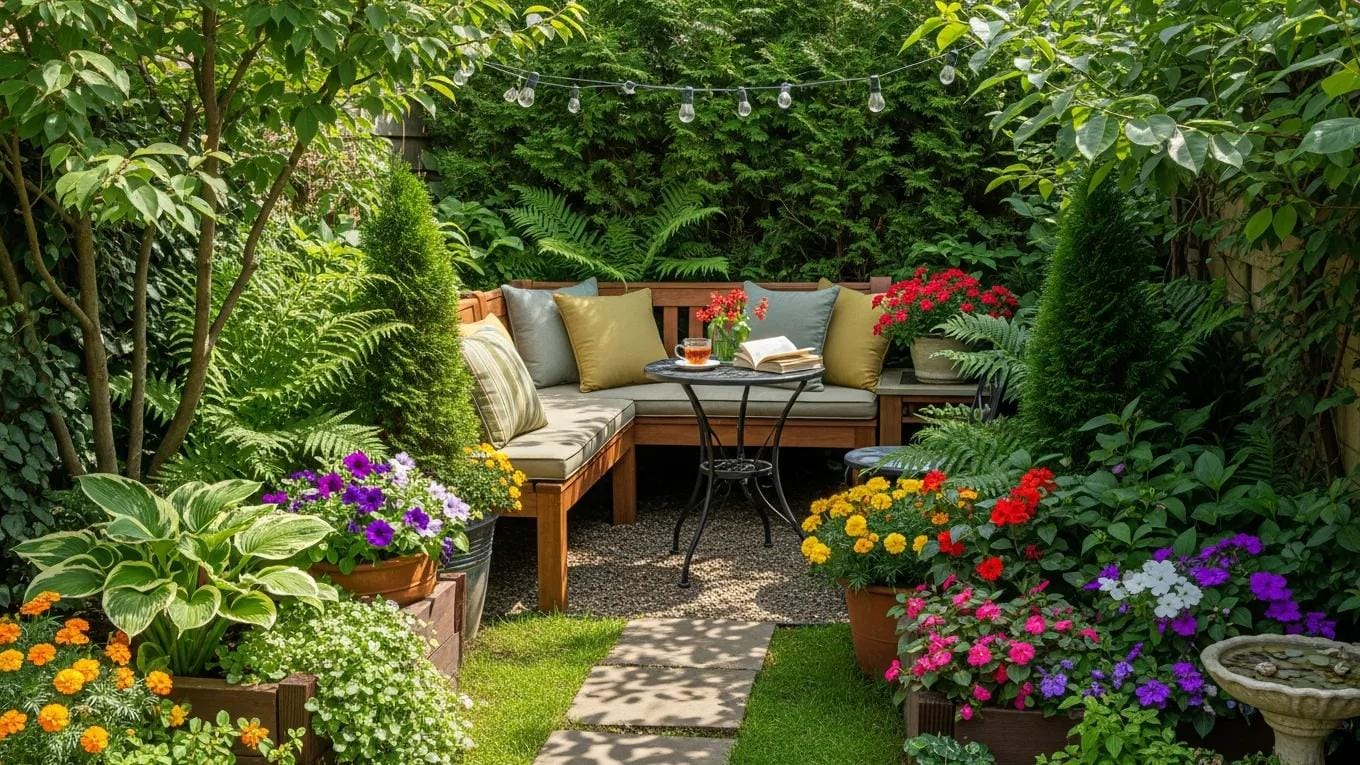
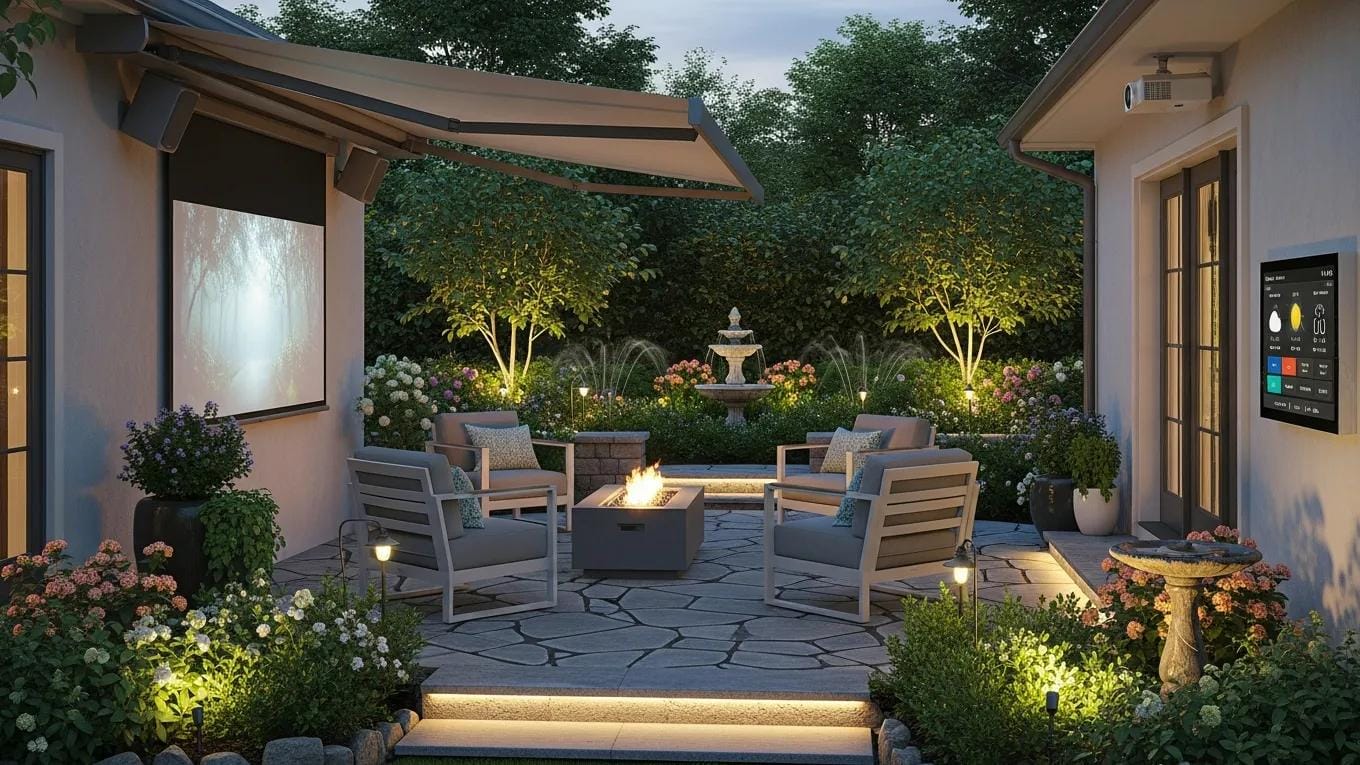
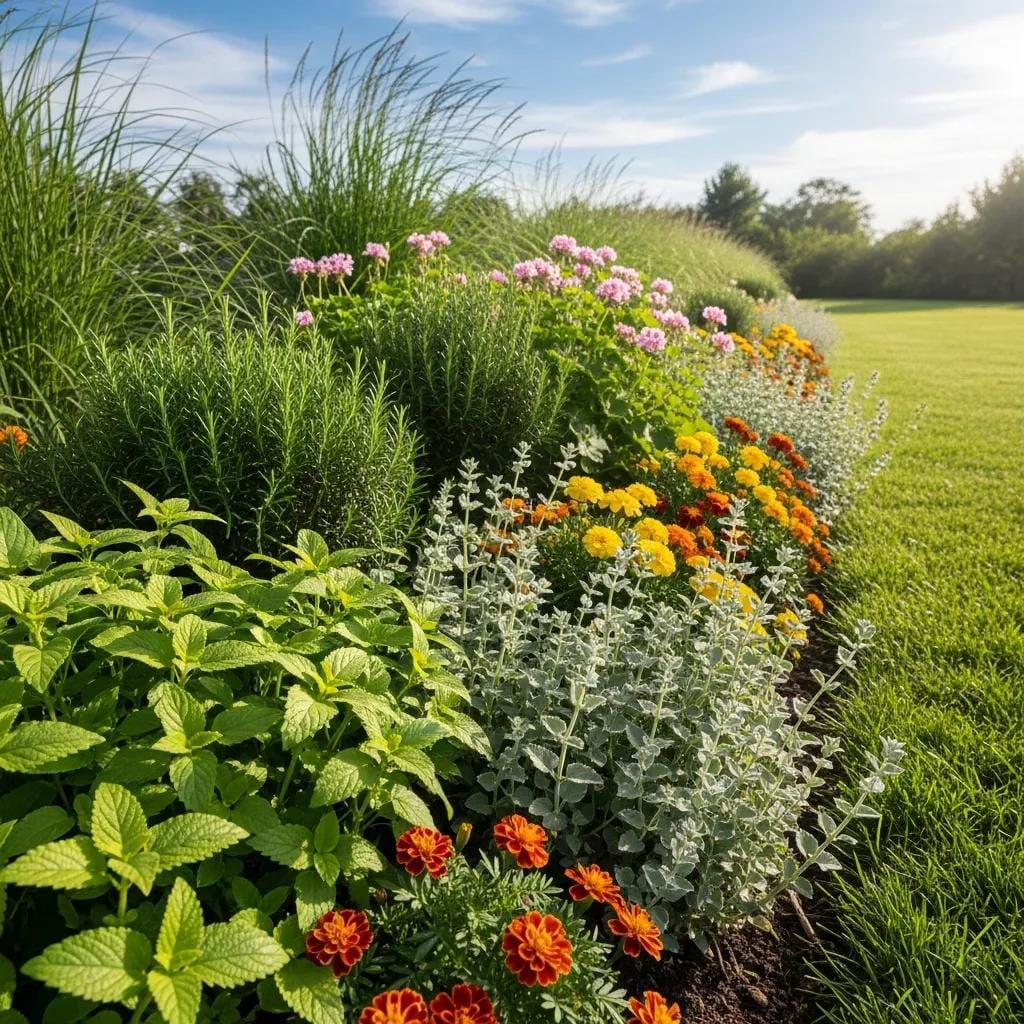
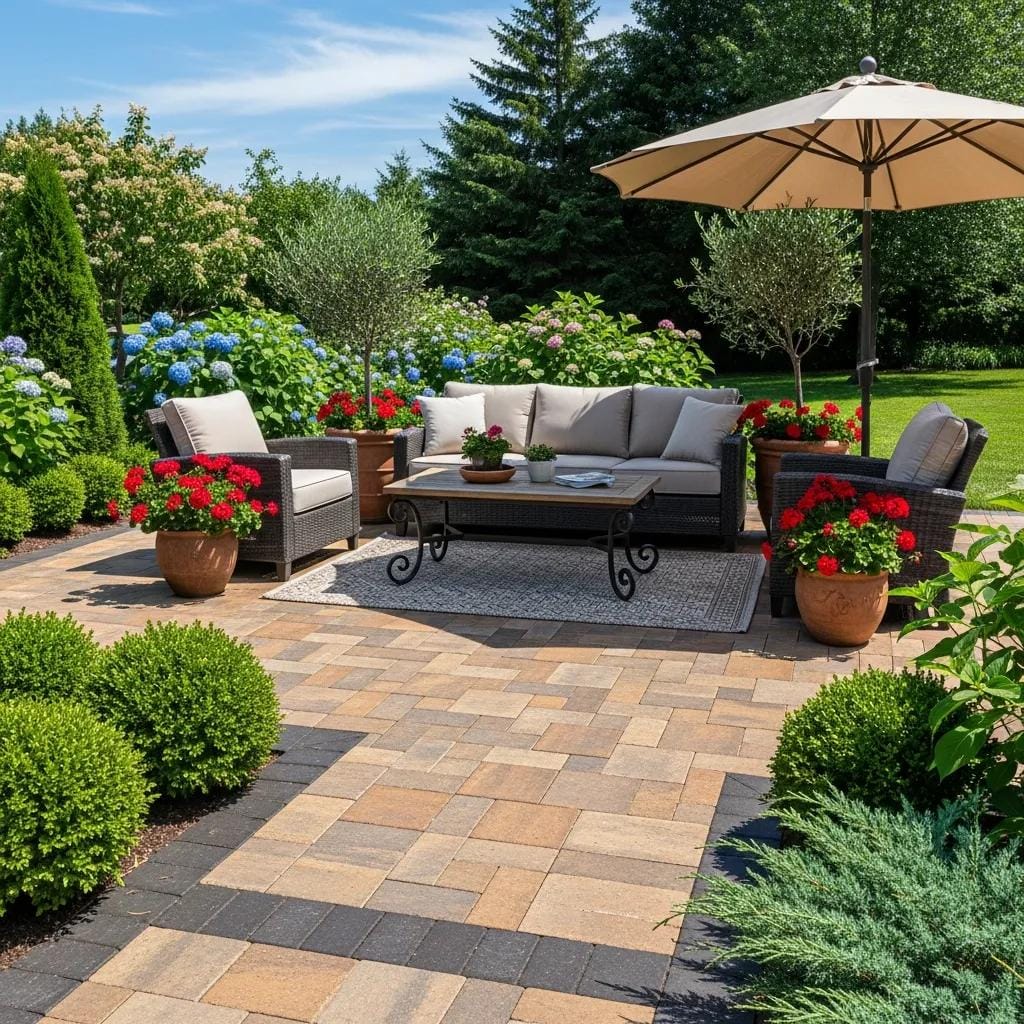
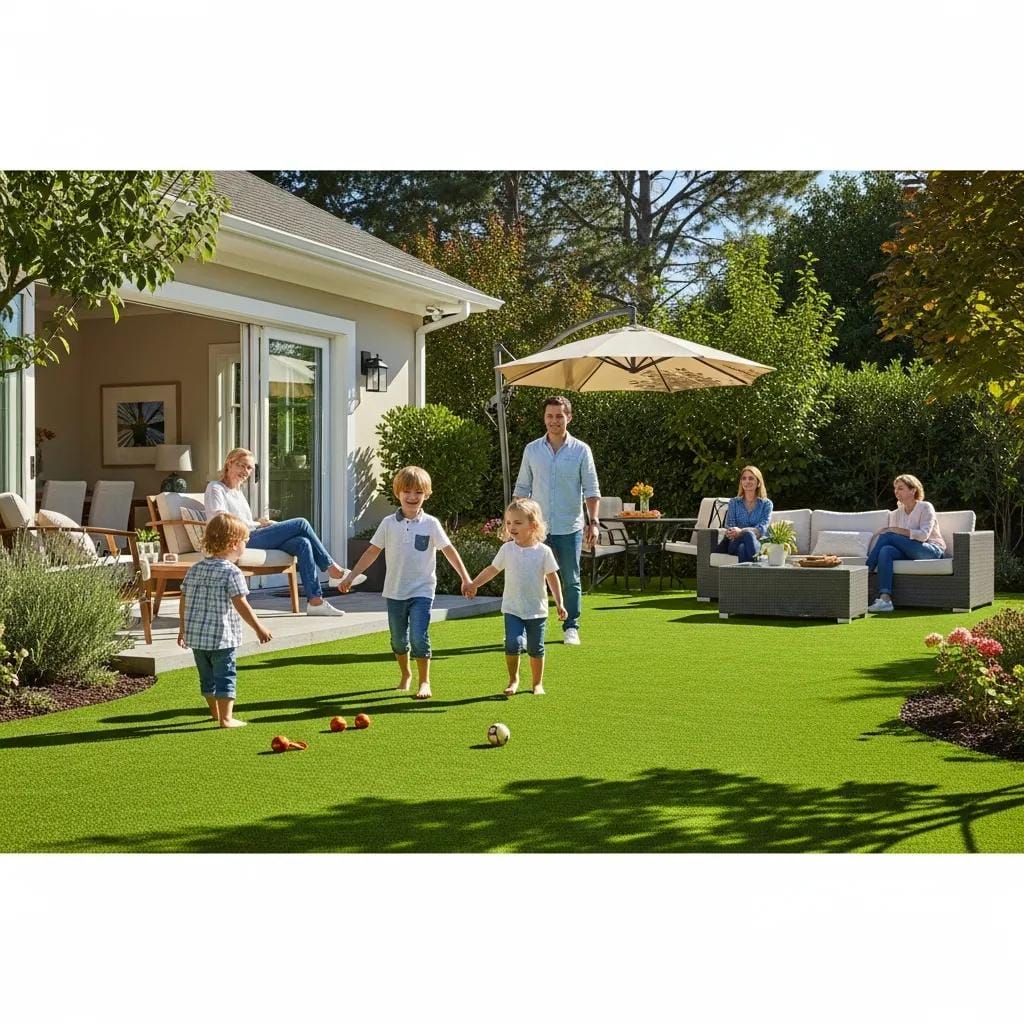
A small yard can still have a big impact with the right design approach. Limited outdoor space doesn’t mean sacrificing comfort, functionality, or style. Thoughtful planning can turn even compact areas into inviting spaces for relaxing, entertaining, and everyday living.
Small yard solutions focus on making the most of every square foot through efficient layouts, smart storage, layered landscaping, and multi-purpose features. Vertical gardens, built-in seating, and carefully chosen plants can help smaller spaces feel more open and organized without overcrowding the area.
With the right compact garden design and outdoor living ideas, a smaller yard can become a comfortable, visually balanced extension of your home that feels both functional and enjoyable year-round.
Smart Small Yard Solutions for Better Outdoor Living
Planning And Designing Small Yard Layouts
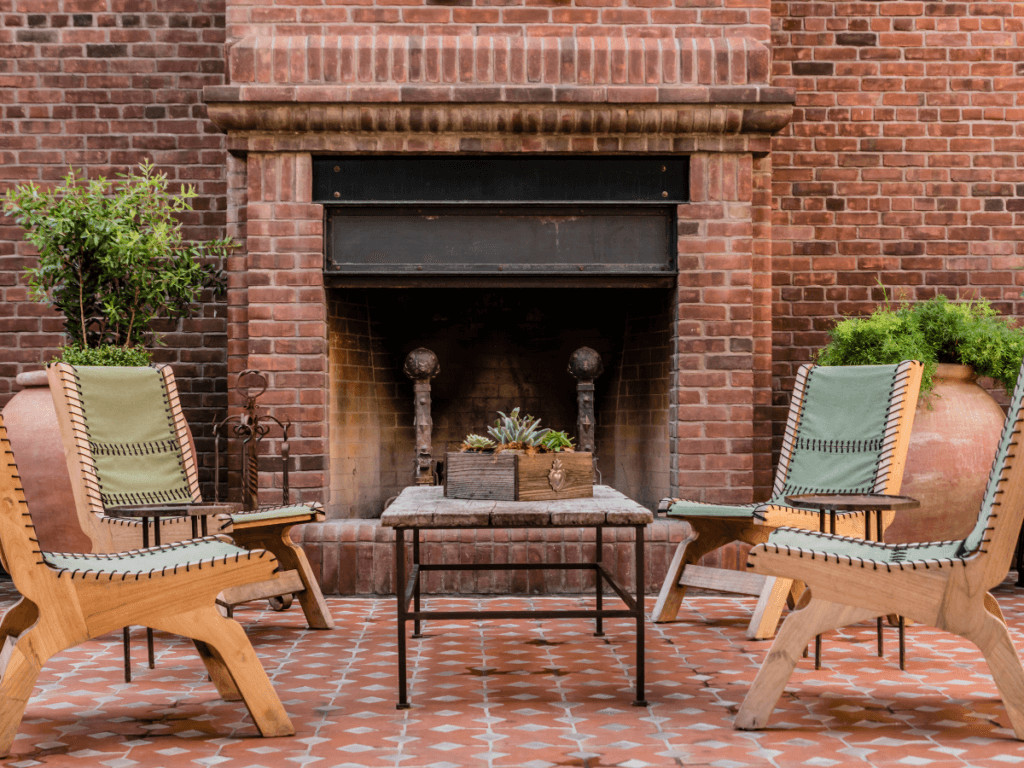
Designing a smaller outdoor space requires a different mindset than planning a large backyard. Every feature needs to serve a purpose, and the layout has to balance comfort, functionality, and visual appeal without making the area feel crowded.
With thoughtful planning, even compact outdoor areas can feel open, practical, and inviting. The best small yard solutions focus on making the most of every square foot while creating a space that fits the homeowner’s lifestyle.
Define Core Uses
Before selecting plants, patios, or decorative features, it helps to determine how the yard will actually be used. Some homeowners want an outdoor dining area for entertaining, while others prioritize quiet seating, gardening, or play space for children and pets.
Identifying these priorities early makes it easier to build a layout that feels intentional rather than cluttered. For example, a family that hosts guests regularly may benefit from a central patio with built-in seating, while someone seeking a peaceful retreat might prefer layered greenery and a smaller conversation area.
Defining the primary purpose of the yard keeps the design focused and prevents unnecessary additions from overwhelming the space.
JR Artisan Outdoors specializes in creating custom small yard solutions throughout Metro Atlanta, helping homeowners design outdoor spaces that reflect how they actually live and use their property.
Map Natural Conditions
Understanding the natural conditions of the yard is an important step that is often overlooked. Sun exposure, drainage patterns, slopes, and shaded areas all affect which landscaping features will perform best over time.
Areas with consistent sunlight may work well for flower beds, vegetable gardens, or seating spaces, while heavily shaded sections are often better suited for low-maintenance greenery and cooler retreat areas.
Drainage also plays a major role in layout decisions. Identifying places where water collects can help prevent future issues with erosion, plant damage, or hardscape shifting.
Paying attention to these environmental factors allows homeowners to create small yard solutions that are both attractive and practical in the long term.
Create Defined Zones
Smaller outdoor spaces often feel more functional when they are divided into clearly defined zones. Instead of treating the yard as one open area, separating spaces for dining, relaxing, gardening, or entertaining creates structure and improves flow.
Hardscaping features such as patios, walkways, retaining walls, and planter borders help organize the yard visually without making it feel boxed in.
A small seating nook surrounded by greenery can feel surprisingly private, while a narrow pathway can guide movement naturally through the landscape. Defined zones also make compact yards appear larger because the eye moves through multiple areas rather than focusing on one limited space.
Choose Multi-Level Designs
Adding changes in elevation can dramatically improve the appearance and usability of a small yard. Multi-level designs create depth and visual interest while helping maximize usable space.
Raised planters, terraced seating, or slightly elevated patios can separate areas naturally without requiring large physical barriers. In sloped yards, tiered landscaping may also improve drainage and reduce erosion problems.
These layered designs are especially effective in urban settings where homeowners want their outdoor space to feel more dynamic. Thoughtful elevation changes are one of the most effective small yard solutions for creating dimension in otherwise limited areas.
Limit Material Choices
Using too many colors, textures, or materials can make a small yard feel visually busy. A more limited material palette helps create a cohesive appearance and makes the space feel larger and more polished.
For example, repeating the same paver style throughout patios and walkways creates continuity across the yard. Consistent finishes for retaining walls, edging, or seating areas can also help unify the overall design.
This does not mean the space has to feel plain. Mixing natural greenery with carefully selected hardscaping elements still provides plenty of character without overwhelming the layout.
What Space Planning Techniques Optimize Urban Backyard Landscaping?
Urban backyard landscaping often requires creative problem-solving because of limited square footage. One of the most effective techniques is establishing a strong focal point, such as a patio, pergola, or fire feature, that anchors the space visually.
Walkways also play an important role in improving movement and organization. Even narrow paths can create a sense of structure while connecting different parts of the yard naturally.
Another useful strategy involves incorporating flexible features that serve multiple purposes. Built-in benches with storage, vertical gardens, and compact dining areas are all practical small yard solutions that improve functionality without sacrificing comfort.
When space planning is approached carefully, even the smallest outdoor areas can feel welcoming, organized, and highly usable year-round.
Hardscaping Solutions For Small Yards
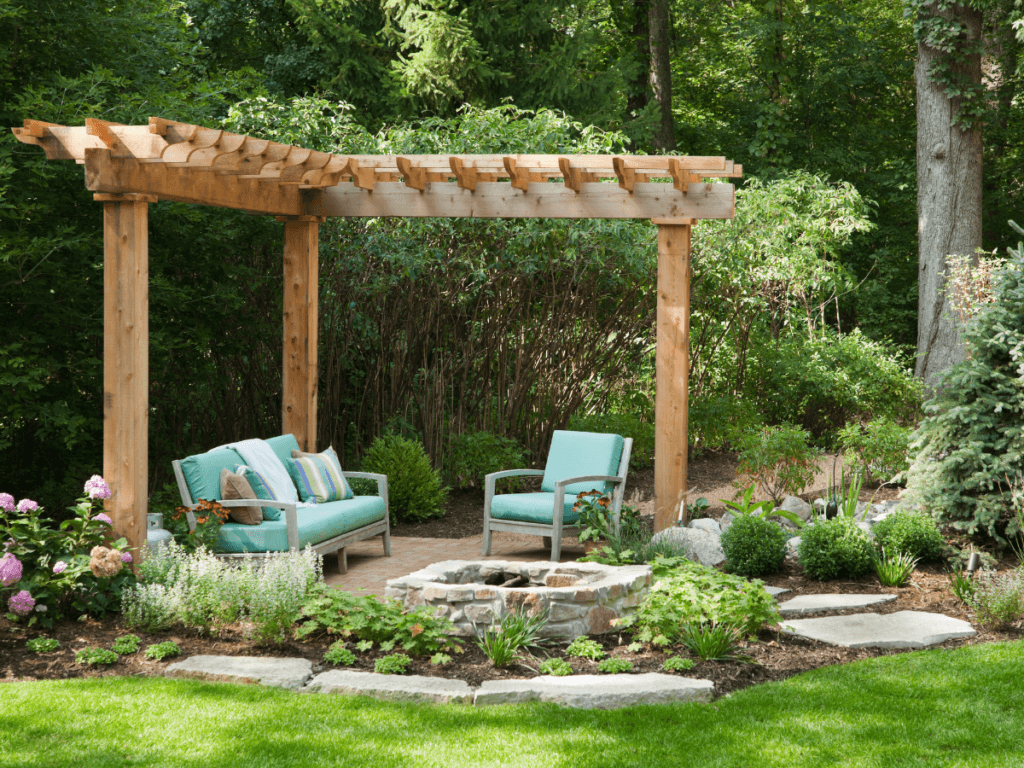
Hardscaping can completely transform a compact outdoor space when it is planned thoughtfully. In smaller yards, every feature needs to contribute to both functionality and appearance.
The right hardscape elements can make a limited area feel more organized, easier to maintain, and surprisingly spacious. Many of the best small yard solutions rely on strategic hardscaping to create structure without overcrowding the space.
By combining seating, pathways, patios, and focal points, homeowners can create outdoor areas that feel comfortable and highly usable year-round.
Incorporate Built-In Seating
Built-in seating is one of the smartest ways to maximize a small yard. Traditional outdoor furniture can quickly make compact spaces feel crowded, especially when chairs and tables need constant rearranging. Built-in benches or seating walls provide permanent seating without taking up unnecessary room.
These features work especially well around patios, fire pits, or retaining walls. Because they are integrated directly into the landscape design, they create a cleaner and more cohesive appearance while improving functionality.
Storage can even be built beneath seating in some designs, adding another practical benefit for smaller outdoor areas. Built-in seating also helps define gathering spaces naturally, making the yard feel more intentional and welcoming.
Utilize Gravel And Pavers
Choosing the right ground materials has a major impact on both the appearance and maintenance needs of a small yard. Gravel and pavers are two of the most effective small yard solutions because they provide durability while helping organize the layout visually.
Gravel works well in pathways, seating areas, and transitional spaces. It offers a relaxed, natural look while allowing for excellent drainage, which is especially important in areas prone to heavy rain. Gravel also tends to be more budget-friendly than larger hardscape installations.
Pavers provide a more structured appearance and can be customized in various shapes, colors, and patterns. They are commonly used for patios, walkways, and outdoor dining spaces because they create a stable surface while still adding visual character.
Permeable pavers are especially useful in smaller yards because they improve drainage and reduce runoff. Using consistent materials throughout the yard can help create a more open and cohesive feel, preventing the space from looking visually cluttered.
Add Destination Features
Even in compact outdoor areas, adding a focal point can make the yard feel more dynamic and inviting. Destination features encourage movement through the space and give the yard a stronger sense of purpose.
Fire pits are one of the most popular options because they create a natural gathering area while extending the usability of the yard into cooler seasons. Water features, such as small fountains or bubbling stone elements, can add a calming atmosphere without requiring a large footprint.
Decorative planters, sculptural pieces, or vertical garden walls can also serve as focal points in smaller spaces. The key is choosing features that complement the overall layout instead of overwhelming it.
These additions help transform functional outdoor areas into spaces that feel personal and memorable.
How Can Compact Hardscaping Maximize Small Yard Functionality?
Compact hardscaping works best when every element serves multiple purposes. Patios can function as dining spaces, entertainment areas, and everyday relaxation zones all within a limited footprint.
Retaining walls can manage elevation changes while doubling as seating. Pathways improve movement through the yard while visually separating different activity areas.
This layered functionality is what makes hardscaping such an effective part of modern small yard solutions. Rather than filling the yard with oversized features, thoughtful design focuses on maximizing usability through smart placement and efficient layouts.
What Are The Best Hardscaping Materials For Small Yards In Metro Atlanta?
Metro Atlanta homeowners often need materials that can handle humidity, rainfall, and temperature fluctuations while remaining relatively low-maintenance. Concrete pavers, natural stone, gravel, and poured concrete are all popular choices because they hold up well in changing weather conditions.
Natural stone offers a timeless appearance that blends well with gardens and greenery, while concrete pavers provide flexibility for more modern designs. Gravel remains a practical option for drainage-heavy areas and informal seating spaces.
Selecting durable materials is especially important in smaller yards where every visible feature has a stronger visual impact.
How Do Patios, Retaining Walls, And Walkways Enhance Small Outdoor Spaces?
Patios create designated areas for relaxing, dining, or entertaining without making the yard feel overcrowded. Retaining walls help manage slopes and elevation changes while adding visual depth to the landscape. Walkways improve flow by guiding movement naturally through the space.
Together, these features create structure and organization, which helps smaller outdoor areas feel larger and more functional. When designed carefully, hardscaping becomes one of the most effective small yard solutions for balancing practicality, comfort, and long-term curb appeal.
Outdoor Living Features And Functional Enhancements
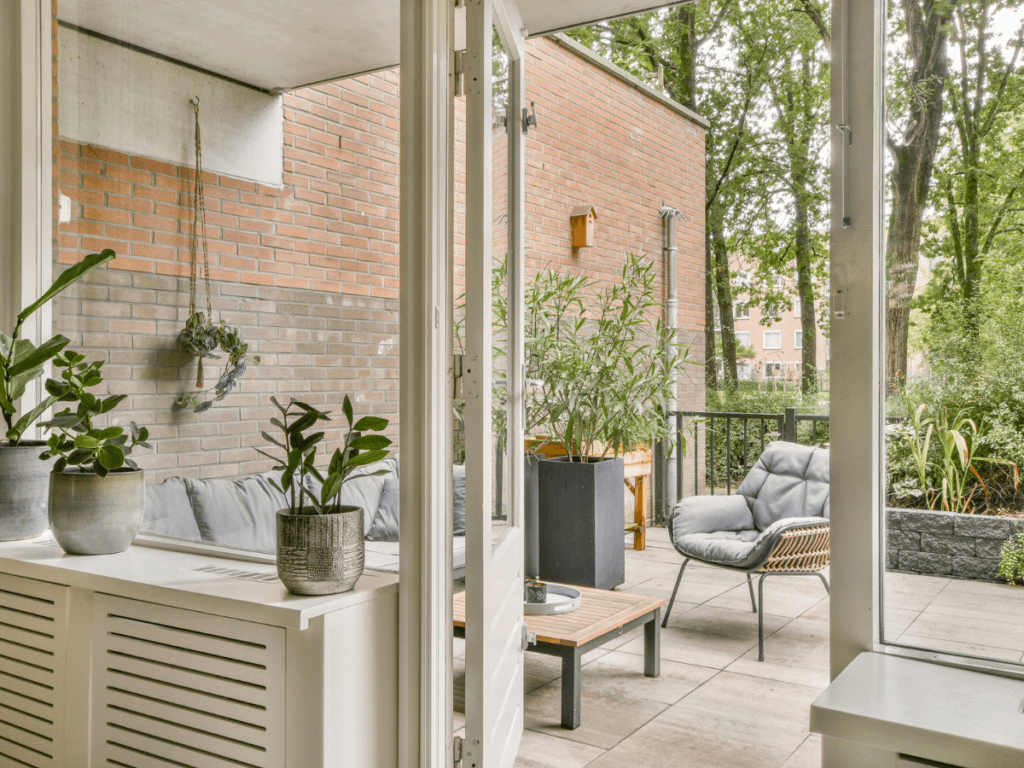
Small outdoor spaces can become far more functional and inviting when the right features are added thoughtfully. While layout and hardscaping create the foundation, outdoor living upgrades help transform compact yards into spaces that feel comfortable and usable throughout the day and evening.
The best small yard solutions focus on features that improve practicality without overwhelming the available space. By choosing elements that combine comfort, lighting, and visual appeal, homeowners can make even the smallest yard feel like an extension of the home.
Incorporate Lighting
Outdoor lighting is one of the simplest ways to improve both the appearance and functionality of a small yard. A well-lit outdoor area feels larger, safer, and more welcoming, especially during evening gatherings or quiet nights outside.
Layered lighting tends to work best in compact spaces. Path lights improve visibility and guide movement through the yard, while accent lighting can highlight garden beds, retaining walls, or architectural details.
String lights are another popular option because they add warmth and atmosphere without taking up physical space.
Built-in lighting features integrated into patios, seating walls, or steps can also create a more polished look while improving safety. Solar-powered fixtures are especially practical for smaller landscapes because they reduce wiring needs and keep installation relatively simple.
Lighting is one of the most effective small yard solutions because it changes how the space feels after sunset without requiring major construction or additional square footage.
Which Outdoor Living Features Best Suit Small Yard Spaces?
Not every outdoor feature works well in a compact yard, which is why careful selection matters. In smaller landscapes, multifunctional features usually provide the greatest value because they improve usability without overcrowding the area.
Built-in seating remains one of the most practical upgrades for compact spaces. Unlike traditional patio furniture, permanent seating creates a cleaner layout while freeing up room for movement and entertaining. Seating walls around patios or fire pits can also help define gathering spaces naturally.
Compact outdoor kitchens are another increasingly popular feature. Smaller grill stations with limited counter space allow homeowners to cook outdoors without dedicating a large portion of the yard to a full kitchen setup. Even a modest cooking area can make the space feel more complete and entertainment-friendly.
Pergolas are especially effective for adding visual structure to a small yard. They create shade, define outdoor rooms, and add vertical interest without fully enclosing the space. Climbing plants or hanging lights can further soften the structure and create a more inviting atmosphere.
Creating Comfortable Gathering Areas
Comfort plays a major role in how often outdoor spaces are actually used. Small yards benefit from thoughtful furniture placement and cozy gathering areas that encourage relaxation without making the layout feel cramped.
Instead of filling the yard with oversized furniture, many homeowners opt for streamlined seating arrangements that leave open space for movement. Sectionals designed for smaller patios, movable stools, and compact dining sets can all improve flexibility.
Fire features also work well in smaller landscapes because they naturally create a focal point. A compact fire pit or tabletop fire feature can make the yard feel warm and inviting during cooler months while encouraging social interaction.
One of the most effective small yard solutions is designing the space around how people actually use it. A smaller yard that feels comfortable and functional often gets used more frequently than a larger space with poor layout planning.
Balancing Style And Functionality
The most successful outdoor spaces balance practicality with visual appeal. Small yards especially benefit from cohesive design choices that prevent the space from feeling cluttered or disconnected.
Using consistent materials, coordinated lighting, and a limited color palette can help create a more open and organized appearance. Vertical elements like pergolas, privacy screens, and decorative planters also add visual depth without taking away usable floor space.
Thoughtful enhancements allow compact outdoor areas to serve multiple purposes, from entertaining guests to quiet relaxation. With the right approach, small yard solutions can create outdoor spaces that feel comfortable, stylish, and surprisingly spacious despite limited square footage.
Drainage, Sustainability, And Long-Term Durability
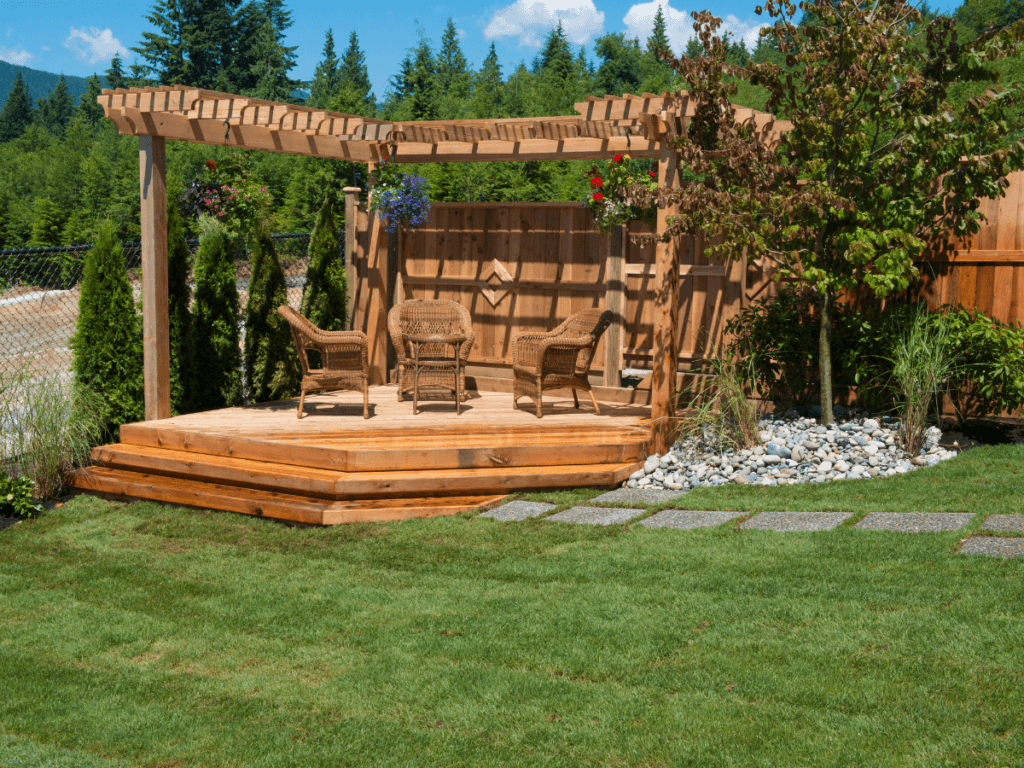
Creating an attractive outdoor space is only part of the equation when designing a compact yard. Long-term performance matters just as much.
Without proper drainage and durable materials, even the most visually appealing landscape can develop problems over time. Smart planning helps homeowners avoid erosion, standing water, and unnecessary maintenance while ensuring their outdoor space continues to function well year after year.
The best small yard solutions combine practical drainage strategies with materials that can handle changing weather conditions and regular use. This approach not only protects the landscape itself but also helps preserve patios, walkways, planting beds, and other outdoor features.
Plan For Drainage
Drainage is one of the most important considerations in any yard design, especially in smaller outdoor spaces where water has fewer places to disperse naturally. Poor drainage can quickly lead to muddy areas, damaged plants, soil erosion, and hardscape deterioration if left unaddressed.
Understanding how water moves through the yard is the first step. Areas where water tends to collect after heavy rain may require grading adjustments or additional drainage systems to redirect runoff.
In many cases, solutions like French drains, channel drains, or swales can help guide excess water away from patios, foundations, and planting areas.
Permeable surfaces are another effective option for improving drainage in compact yards. Materials like gravel or permeable pavers allow rainwater to soak into the ground instead of pooling on the surface. This can reduce runoff while helping maintain healthier soil conditions for nearby plants.
Drainage planning is one of the most overlooked small yard solutions, yet it has a major impact on the longevity and usability of outdoor spaces. A yard that drains properly is easier to maintain, safer to walk through, and far less likely to develop costly structural problems over time.
What Are Sustainable And Durable Options For Small Yard Enhancements?
Sustainability has become an increasingly important factor in outdoor design, particularly for homeowners looking to create low-maintenance spaces that remain functional for years.
Durable materials and environmentally conscious landscaping choices can significantly reduce long-term upkeep while improving the overall efficiency of the yard. Paver patios are one of the most reliable options for small outdoor spaces because they combine durability with flexibility in design.
Many pavers are made from recycled or sustainable materials, and their modular structure makes repairs easier if individual sections become damaged over time. They also pair well with permeable installation methods that improve water management.
Gravel lounge areas are another practical solution for smaller landscapes. Gravel provides natural drainage, requires relatively little maintenance, and works well in modern, rustic, or minimalist designs.
It can also help define seating areas or pathways without the higher installation costs associated with poured concrete or large patios.
Native and drought-tolerant plants also contribute to sustainable yard design. These plants typically require less watering and maintenance while adapting better to local climate conditions. In compact landscapes, this can make a significant difference in long-term upkeep and water usage.
Balancing Durability With Everyday Use
Small outdoor spaces often experience concentrated foot traffic because every area serves a purpose. That makes material durability especially important. Surfaces used for entertaining, dining, or walkways need to withstand regular use without quickly showing wear.
Concrete pavers, natural stone, and reinforced retaining walls are all strong choices for high-use areas. These materials provide structural stability while maintaining their appearance over time. Choosing weather-resistant finishes can also help reduce fading, cracking, and moisture-related damage.
At the same time, durability should not come at the expense of comfort or appearance. The most effective small yard solutions create outdoor environments that feel welcoming while still being practical enough for daily life.
Creating Outdoor Spaces Built To Last
A successful small yard design should continue functioning well long after installation is complete. Thoughtful drainage planning, durable materials, and sustainable landscaping practices all contribute to a yard that remains attractive and easy to maintain over time.
By focusing on long-term performance instead of short-term trends, homeowners can create outdoor spaces that handle changing weather conditions, regular use, and seasonal maintenance more effectively.
In many cases, investing in durable and sustainable small yard solutions early can reduce future repairs while making the space more enjoyable year-round.
What Metro Atlanta-Specific Considerations Affect Small Yard Landscaping?
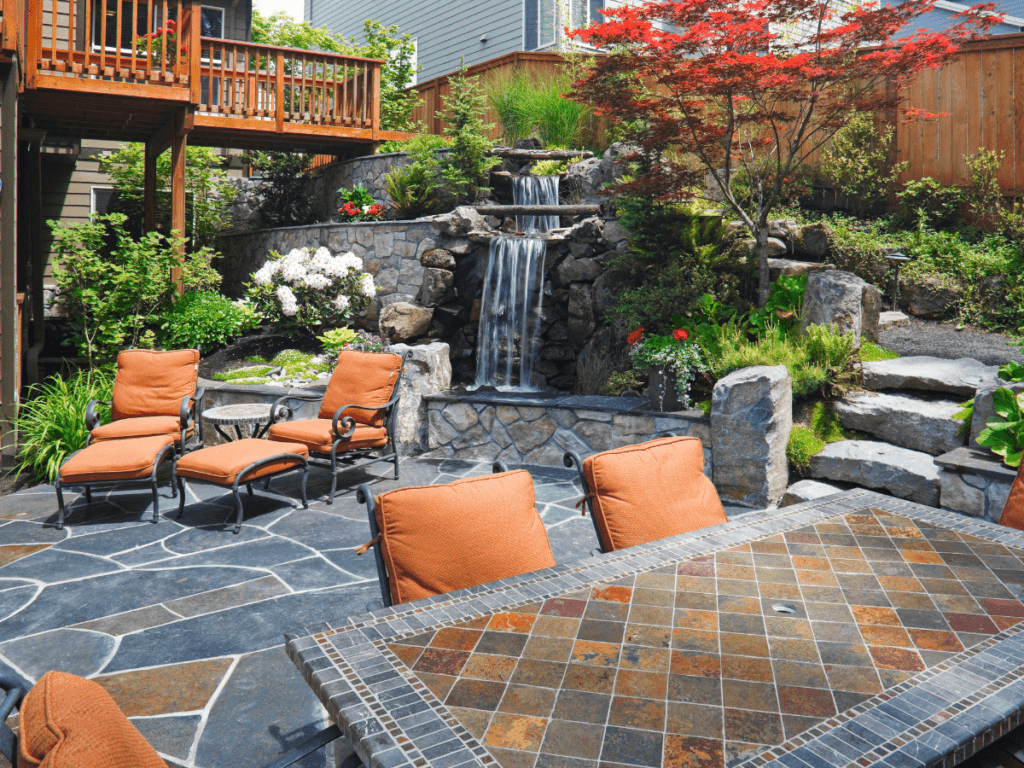
Designing compact outdoor spaces in Metro Atlanta comes with unique opportunities and challenges. From the region’s humid climate to its varied soil conditions, local environmental factors can directly influence how well a landscape performs over time.
Homeowners who understand these regional considerations are often better equipped to create outdoor spaces that remain functional, attractive, and easier to maintain throughout the year.
The most effective small yard solutions are not just visually appealing. They are also designed to handle local weather conditions, drainage patterns, and the realities of urban and suburban living in the Atlanta area.
How Does Local Climate And Soil Influence Small Yard Design Choices?
Metro Atlanta’s climate plays a major role in determining which plants, materials, and layout strategies work best in smaller outdoor spaces. The region experiences hot, humid summers along with periods of heavy rainfall, which means durability and drainage should always be part of the planning process.
Choosing plants that thrive in Georgia’s climate can make maintenance much more manageable. Native plants and drought-tolerant varieties are especially useful because they typically require less watering and adapt better to local conditions.
These plants also tend to handle seasonal temperature swings more effectively than non-native species. Soil conditions are another important consideration. Many Metro Atlanta properties contain dense clay soil, which can create drainage challenges in smaller yards.
Water tends to move more slowly through clay-heavy soil, increasing the risk of pooling and erosion after storms. For that reason, grading, drainage planning, and soil amendments are often necessary before installing patios, planting beds, or hardscaping features.
Material selection also matters in humid climates. Certain wood products may warp or deteriorate faster in high-moisture environments, while materials like stone, concrete pavers, and gravel generally hold up better over time. Incorporating permeable surfaces can further improve drainage while reducing runoff issues.
By designing with local climate and soil conditions in mind, homeowners can create small yard solutions that remain attractive and functional with less ongoing maintenance.
Adapting Small Yards To Urban And Suburban Living
Many Metro Atlanta neighborhoods feature compact backyards, narrow side yards, or closely spaced homes. In these settings, privacy and efficient use of space become especially important.
Layered landscaping techniques can help smaller yards feel more secluded without making them feel closed in. Vertical gardens, decorative privacy screens, hedges, and pergolas can all create visual separation while preserving openness.
These features are particularly useful in neighborhoods where homes are positioned close together. Noise management is another consideration in busy suburban or urban areas. Water features, dense plantings, and strategic fencing can help soften surrounding noise while creating a calmer outdoor environment.
For homeowners who entertain frequently, multifunctional layouts are often the most practical approach. Combining seating, dining, and decorative elements into one cohesive design allows smaller spaces to serve several purposes without feeling overcrowded.
What Are The Latest Trends In Small Yard Landscaping For Metro Atlanta Homeowners?
Recent landscaping trends in Metro Atlanta reflect a growing demand for outdoor spaces that feel both functional and comfortable. Homeowners are increasingly prioritizing usable living areas over purely decorative landscapes.
One of the biggest trends involves cohesive hardscaping. Using consistent materials throughout patios, walkways, retaining walls, and seating areas helps compact yards feel larger and more organized. Neutral color palettes and natural textures continue to be especially popular in modern outdoor design.
Outdoor kitchens and fire features are also becoming more common in smaller yards, although many homeowners are choosing scaled-down versions that fit more comfortably within limited space. Compact grilling stations, built-in benches, and fire bowls provide functionality without dominating the landscape.
Vertical gardening has gained popularity as well, especially for homeowners looking to maximize greenery without sacrificing square footage. Wall planters, trellises, and hanging gardens add texture and color while preserving open areas for seating or entertaining.
Water-conscious landscaping is another growing priority throughout Metro Atlanta. Efficient irrigation systems, permeable pavers, and low-maintenance plant selections are increasingly viewed as smart long-term investments.
Ultimately, the best small yard solutions are the ones that balance local practicality with personal style. By designing around Metro Atlanta’s climate, soil, and lifestyle trends, homeowners can create outdoor spaces that feel comfortable, modern, and highly functional year-round.
Conclusion
Even a small yard can become a beautiful and functional outdoor retreat with the right design approach. Thoughtful landscaping, space-saving features, and creative outdoor living solutions can make compact areas feel more open, comfortable, and inviting for relaxing or entertaining.
Whether you want a cozy patio, a low-maintenance garden, or a complete backyard transformation, working with experienced professionals can help you maximize every inch of your outdoor space.
For expert craftsmanship and custom outdoor designs tailored to smaller properties, choose JR Artisan Outdoors. Ready to transform your yard into a space you can truly enjoy? Call (470) 762-0777 or request your free quote today.