An outdoor kitchen becomes far more useful when you can prep, cook, serve, and store food without constantly heading back inside. For Atlanta homeowners who enjoy backyard gatherings, choosing the right appliances can turn a basic grilling station into a true extension of the home.
The best outdoor kitchen appliances for Atlanta backyards need to deliver more than convenience. Grills, refrigerators, ice makers, side burners, and other equipment must withstand heat, humidity, rain, and changing seasonal conditions while fitting the available space and the way you entertain.
Outdoor-rated construction and thoughtful placement are essential for reliable performance. This guide explores which appliances are worth considering, what features matter most, and how to build an outdoor kitchen that works for everything from weeknight dinners to weekend entertaining.
Outdoor Kitchen Appliances for Better Backyard Entertaining
Which Outdoor Grills Are Best for Atlanta Backyards?
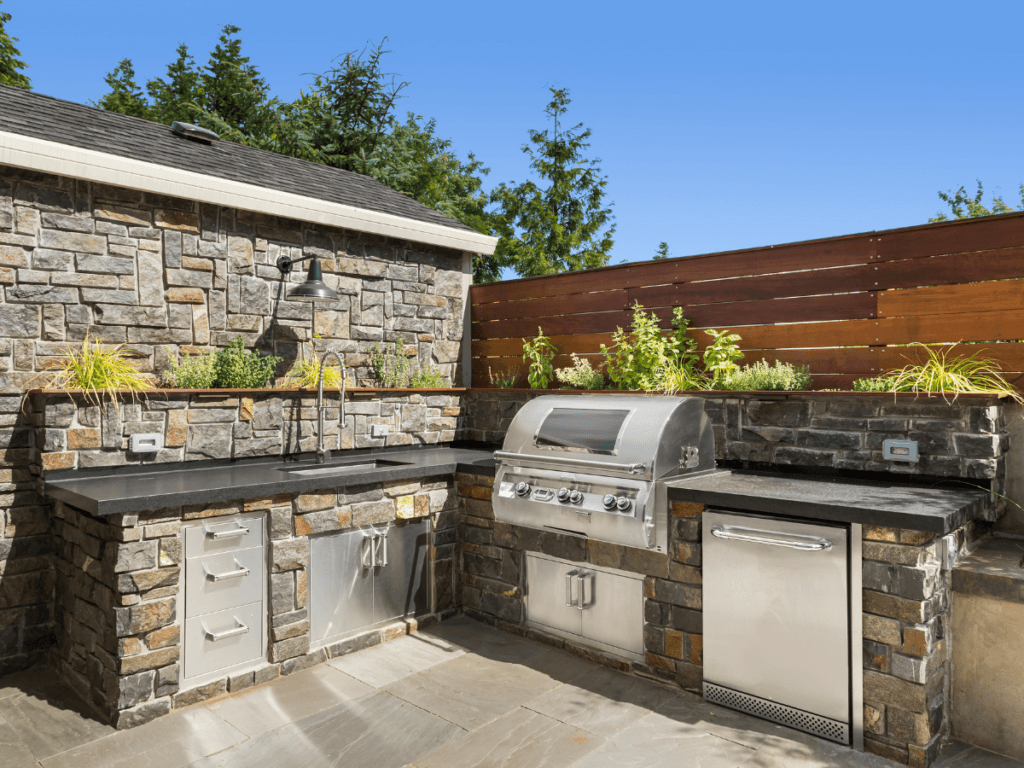
Choosing a grill for an Atlanta outdoor kitchen involves more than deciding between gas and charcoal. Because the grill is often built into cabinetry or masonry, homeowners also need to think about weather exposure, ventilation, fuel access, cooking habits, and how the appliance will fit into the larger kitchen layout.
Atlanta’s warm, humid conditions make material quality especially important. Outdoor kitchen appliances are exposed to moisture, pollen, temperature changes, grease, and regular use, so a grill designed specifically for outdoor installation is a better fit than equipment intended for protected or indoor environments.
Gas, Charcoal, or Pellet: Which Grill Fits Your Cooking Style?
There is no single best fuel type. The better choice is the one that matches how you actually expect to cook.
| Grill Type | Best For | What to Consider |
|---|---|---|
| Gas | Frequent weeknight cooking and entertaining | Fast startup, straightforward temperature adjustment, and convenient cleanup |
| Charcoal | Traditional grilling and live-fire cooking | More hands-on temperature management and additional time for lighting and cleanup |
| Pellet | Smoking and low-and-slow cooking | Requires electricity and dry pellet storage |
| Hybrid | Homeowners who want multiple cooking methods | Typically requires more space and a larger equipment budget |
Gas is particularly practical for an outdoor kitchen that gets frequent use because it is easy to start and control. Charcoal appeals to cooks who enjoy managing the fire and flavor as part of the experience.
Pellet grills can add smoking capability, while hybrid configurations provide versatility for homeowners who do not want to commit to one cooking method.
This decision should happen early in the design process. Switching fuel types after cabinetry, utility lines, and appliance openings have been planned can create unnecessary complications.
Choose Materials That Can Handle Outdoor Exposure
A grill may look impressive in a showroom, but construction quality matters more once it spends years outdoors. Stainless steel is common in outdoor cooking equipment because of its durability and resistance to corrosion, although stainless steel grades and overall construction quality vary by manufacturer.
Look beyond the exterior hood. Cooking grates, burners, fireboxes, fasteners, handles, and other frequently exposed components also affect long-term durability.
Atlanta homeowners should also consider where the grill will sit. A covered outdoor kitchen provides more protection than a completely exposed patio, but covered does not mean weatherproof. Wind-driven rain, humidity, and seasonal pollen can still reach the equipment.
A fitted cover and routine cleaning can help protect the appliance when it is not being used.
Prioritize Cooking Area and Burner Layout Over BTU Numbers
BTU ratings are frequently used to market gas grills, but a larger number does not automatically mean better cooking performance. Heat distribution, burner design, cooking surface size, insulation, and temperature control all matter.
Start with how many people you normally cook for. A household preparing dinner for four has different requirements from someone regularly hosting large backyard gatherings.
Then consider cooking zones. Multiple independently controlled burners make it easier to sear food in one area while cooking more delicate items at a lower temperature elsewhere.
Features such as rotisserie burners, warming racks, smoker boxes, and infrared burners can be useful, but they are worth paying for only if they match the way you cook.
Plan the Grill as Part of the Outdoor Kitchen
For built-in installations, the grill cannot be selected in isolation. Its dimensions influence counter space, cabinetry, ventilation, utility connections, and clearances from combustible materials. Manufacturer installation requirements should be incorporated into the design rather than treated as an afterthought.
Placement matters too. The cook should have convenient access to prep space without creating a traffic bottleneck between the grill and seating areas. Smoke and heat should also be considered when positioning cooking equipment near covered structures, doors, and windows.
Homeowners planning several outdoor kitchen appliances at once should map the entire cooking workflow before purchasing individual pieces. A grill, refrigerator, sink, storage drawers, and prep counter work better when they are planned as one system.
Think About Serviceability Before Buying
One detail that is easy to overlook is what happens several years after installation. Before building a grill permanently into an outdoor kitchen, check the manufacturer’s warranty, replacement-part availability, and service requirements.
The surrounding structure should also allow technicians to reach connections and serviceable components without dismantling large portions of the kitchen.
For homeowners planning a built-in grill and surrounding entertaining space, JR Artisan Outdoors can help integrate cooking equipment into a broader outdoor kitchen design. Choosing the grill early allows appliance dimensions, utilities, ventilation, storage, and counter space to be coordinated before construction begins.
Ultimately, the best grill is not simply the model with the longest feature list. It is one that suits your preferred cooking method, holds up to outdoor conditions, fits the available space, and works naturally with the rest of your outdoor kitchen appliances.
What Are the Best Outdoor Kitchen Refrigeration Options?
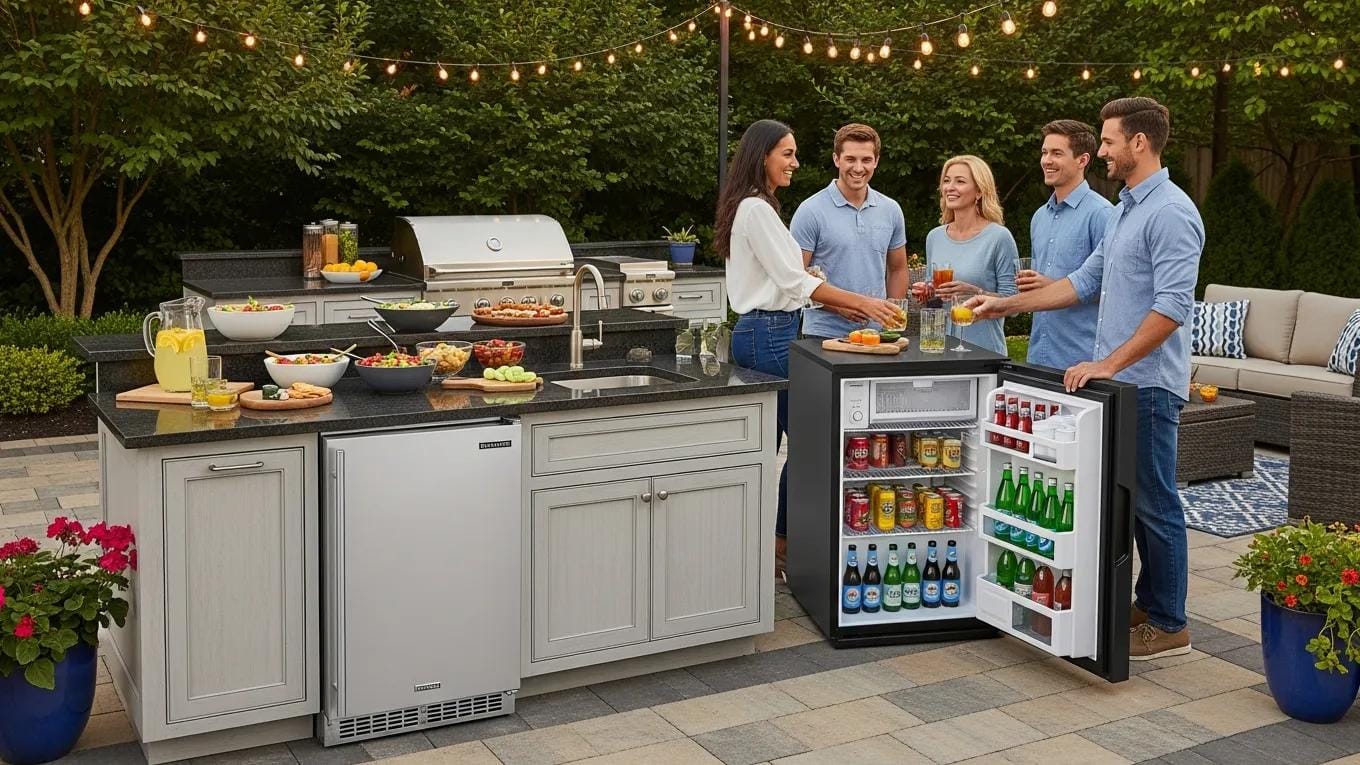
Outdoor refrigeration changes how an outdoor kitchen functions. Instead of carrying drinks, ingredients, condiments, and prepared foods back and forth from the house, frequently used items can stay close to the cooking and entertaining area.
The challenge is choosing refrigeration designed for the conditions in which it will actually operate.
For a permanent outdoor kitchen, an outdoor-rated built-in refrigerator is usually the most practical choice. Freestanding and portable options can make sense in other situations, but the decision should account for weather exposure, ventilation, electrical requirements, storage capacity, and placement within the kitchen.
Built-In vs. Freestanding Outdoor Refrigerators
The original comparison between built-in and portable refrigerators misses an important distinction: installation type. A refrigerator that fits beneath a counter is not automatically designed for built-in installation.
Built-in models are engineered to ventilate appropriately when surrounded by cabinetry, while many freestanding units require clearance around their sides or back. Installing a freestanding refrigerator inside a tight cabinet opening can restrict airflow and interfere with its ability to release heat.
| Refrigerator Type | Best Use | Main Consideration |
|---|---|---|
| Built-in outdoor refrigerator | Permanent kitchen islands and cabinetry | Designed for integrated installation when manufacturer clearances are followed |
| Freestanding outdoor refrigerator | Flexible placement with adequate ventilation | Requires appropriate clearance around the unit |
| Portable cooler or powered refrigerator | Occasional entertaining or flexible setups | Easy to relocate but less integrated into the kitchen |
| Outdoor beverage center | Drinks and entertaining | Storage layout may be less practical for general food preparation |
Before ordering any appliance, check the manufacturer’s installation specifications. The cabinet opening, ventilation requirements, electrical connection, and surrounding materials should be planned around the exact model rather than estimated afterward.
Make Sure the Refrigerator Is Rated for Outdoor Use
An indoor refrigerator should not simply be moved onto a patio because it happens to fit the available opening. Outdoor kitchen appliances operate in conditions that indoor equipment is not necessarily designed to handle.
Outdoor-rated refrigerators are built specifically for use in exterior environments, although their permitted operating conditions still vary by model. Atlanta’s heat, humidity, rain, and seasonal temperature changes make those specifications particularly important.
Look at the entire appliance rather than relying on the phrase “weather resistant.” Check manufacturer documentation for acceptable ambient temperatures, required protection from direct exposure, electrical specifications, installation clearances, and care instructions.
Location matters as well. A refrigerator underneath a covered structure experiences different conditions from one installed in an exposed island that receives direct afternoon sun.
Choose Capacity Based on What You Actually Store Outside
Bigger is not automatically better. Think about what you want available without returning indoors.
If the refrigerator will primarily hold beverages, a compact unit or beverage center may be sufficient. Homeowners who routinely prepare complete meals outdoors may benefit from more flexible shelves and additional capacity for ingredients, marinades, garnishes, and prepared dishes.
Interior configuration deserves attention too. Adjustable shelving can accommodate items of different heights, while door storage can keep condiments and smaller containers accessible. If entertaining is the priority, beverage-focused shelving may be more useful than a conventional refrigerator layout.
This is one area where selecting outdoor kitchen appliances according to actual habits can prevent spending money on features that rarely get used.
Place Refrigeration Away From Major Heat Sources
Where the refrigerator sits can influence both convenience and performance. Avoid squeezing it immediately beside a grill, pizza oven, or another appliance that produces substantial heat unless the manufacturers’ installation requirements specifically allow the configuration.
A useful outdoor kitchen layout also separates cold storage from the hottest cooking zone while keeping it convenient to prep and serving areas. Someone retrieving a drink should not have to reach across the cook or walk directly through the primary grilling workspace.
For entertaining-focused kitchens, positioning beverage refrigeration closer to seating can also reduce traffic through the cooking area.
Plan Electrical Service and Ventilation Before Installation
Refrigeration should be included in the utility plan from the beginning. Outdoor electrical installations have specific safety requirements, and applicable codes can vary by location and project. A qualified professional can determine the appropriate receptacles, circuit protection, and installation for the selected appliance.
Ventilation is equally important. Follow the refrigerator manufacturer’s required clearances and installation instructions, particularly for appliances enclosed by cabinetry or masonry.
JR Artisan Outdoors can incorporate refrigeration, grills, storage, counters, and other outdoor kitchen appliances into the overall kitchen layout rather than treating each component as a separate addition.
Compare Operating Efficiency Along With Purchase Price
Energy use is worth considering because an outdoor refrigerator may remain powered for long periods. Compare manufacturer energy information between models of similar size and function instead of assuming that one appliance type will always be more efficient than another.
The research cited in this article supports the broader trend toward improved residential appliance efficiency over recent decades. For an individual outdoor refrigerator, however, the most useful comparison is the current energy-use information provided for the specific models under consideration.
Ultimately, a good outdoor refrigerator should disappear into the routine of using the kitchen. It should fit the cabinetry correctly, tolerate its installation environment, keep frequently used items accessible, and complement the way the cooking and entertaining zones are arranged.
How Does Professional Installation Protect Outdoor Kitchen Appliances?
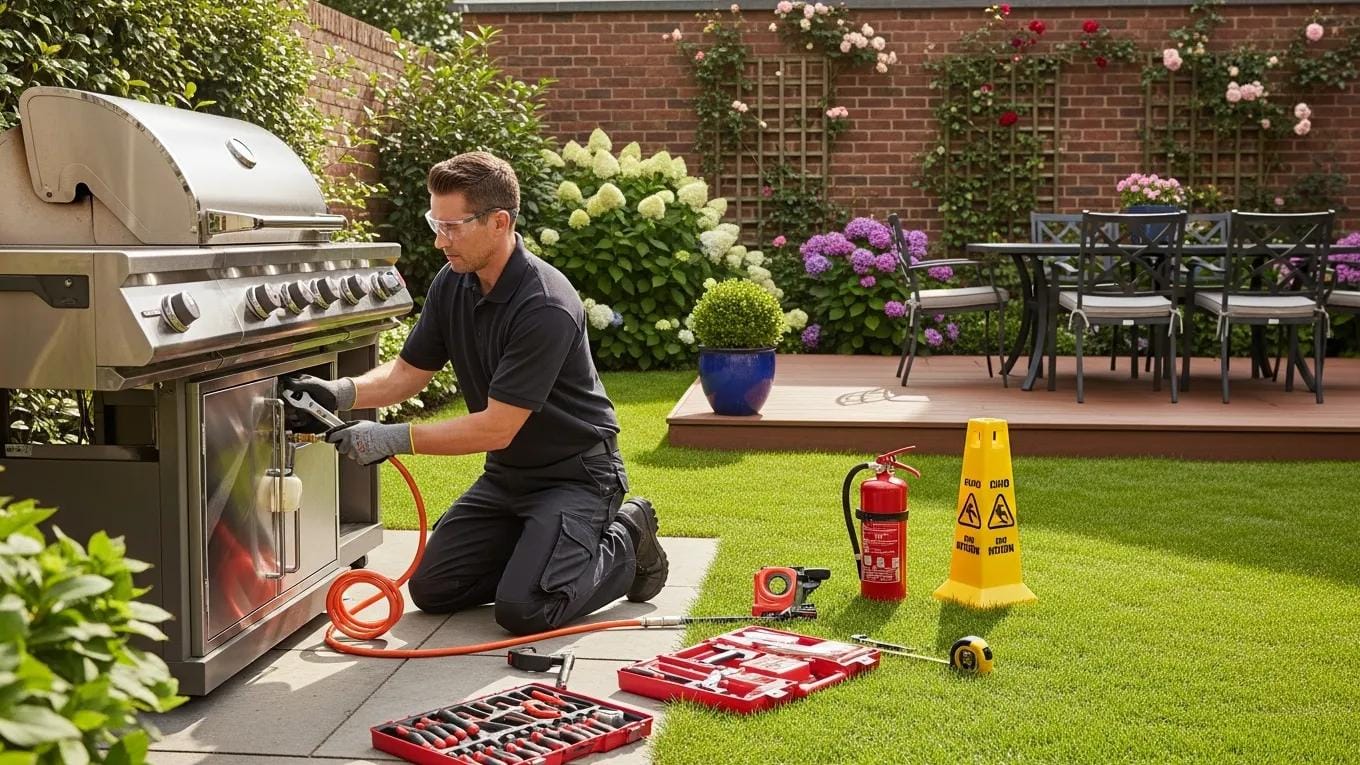
Outdoor appliance installation is not simply a matter of sliding a grill or refrigerator into an opening. Built-in equipment has specific requirements for ventilation, clearances, utility connections, support, and access for future servicing. Those requirements need to be incorporated into the outdoor kitchen itself.
A well-planned installation can help outdoor kitchen appliances operate as intended and reduce avoidable problems caused by restricted airflow, incorrect placement, or poorly coordinated utilities.
Just as importantly, it prevents expensive appliances from being treated as an afterthought once cabinetry, countertops, and masonry are already finished.
Start With the Appliance Specifications, Not the Cabinet Opening
One of the most important installation decisions happens before construction begins. The exact appliance models should be selected early enough for the designer or installer to work from the manufacturers’ specifications.
Built-in grills, refrigerators, side burners, ice makers, and other equipment can have different cutout dimensions and clearance requirements. Assuming that appliances of similar advertised sizes are interchangeable can create problems when the actual installation dimensions differ.
Planning around the selected equipment allows the outdoor kitchen to account for cutouts, countertop openings, access panels, ventilation, utility locations, and required distances from surrounding materials.
Coordinate Gas, Electrical, and Water Connections Early
Different outdoor kitchen appliances have different utility needs. A gas grill may require a properly sized fuel connection, refrigeration needs electrical service, and sinks or ice makers introduce plumbing and drainage considerations.
These utilities should be mapped before the kitchen structure is completed. Running or modifying them afterward can mean opening finished surfaces or compromising the original layout.
Outdoor utility work also needs to comply with applicable building and safety requirements. Gas, electrical, and plumbing connections that require licensed trades should be completed by qualified professionals rather than treated as routine DIY installation tasks.
Give Heat-Producing Appliances Proper Clearance
Grills, side burners, pizza ovens, and similar cooking equipment introduce heat into an outdoor kitchen. Manufacturers typically specify clearances from combustible materials and may require insulating components or other installation provisions depending on the appliance and surrounding construction.
This becomes especially important when a grill is installed beneath a roof, pergola, or other overhead structure. Heat, smoke, grease, and ventilation all need to be considered as part of the design.
The goal is not simply to find a place where the grill fits. Its location needs to work safely within the entire structure.
Do Not Overlook Refrigerator Ventilation
Refrigeration presents almost the opposite challenge. Instead of managing heat produced for cooking, the installation must allow the refrigerator to release the heat generated during operation.
Built-in outdoor refrigerators are designed for specific installation conditions, and required ventilation varies by model. Restricting airflow around equipment that needs clearance can interfere with performance and place unnecessary strain on the appliance.
This is why buying the refrigerator after the island has already been built can be a costly mistake. The enclosure should be designed around the appliance’s actual specifications.
Protect Appliances Without Making Them Impossible to Service
A clean built-in appearance is desirable, but outdoor equipment will eventually need cleaning, inspection, repair, or replacement. Installations should provide access to shutoff valves, electrical connections, plumbing, ventilation areas, and serviceable appliance components.
Think about replacement too. If a refrigerator fails years later, can it be removed without dismantling the countertop? If the grill needs servicing, can a technician reach the necessary connections?
Designing for serviceability makes the outdoor kitchen easier to maintain throughout its life.
Test Everything Before the Project Is Finished
Installation should conclude with more than a visual inspection. Appliances and their supporting utilities should be checked according to manufacturer instructions and applicable professional requirements before the project is considered complete.
That can include confirming that equipment sits securely, doors and drawers have adequate clearance, refrigeration operates properly, burners function as intended, and utility connections have been appropriately inspected or tested.
Any problems are easier to correct before the final project handoff than after the kitchen is already in regular use.
Why Integrated Installation Matters in an Outdoor Kitchen
Professional installation is most valuable when it is part of the design process rather than a separate final step. Appliance selection affects cabinetry dimensions, countertop space, ventilation, utilities, workflow, and even where people can comfortably sit or walk.
For Metro Atlanta homeowners, JR Artisan Outdoors can coordinate outdoor kitchen design and construction so equipment requirements are considered alongside the surrounding hardscape and entertaining space.
Ultimately, protecting outdoor kitchen appliances starts before they are installed. Selecting equipment early, following manufacturer requirements, planning utilities correctly, and leaving room for ventilation and future servicing creates a kitchen that is easier to use, maintain, and adapt over time.
How Can You Maintain and Extend the Life of Outdoor Appliances?
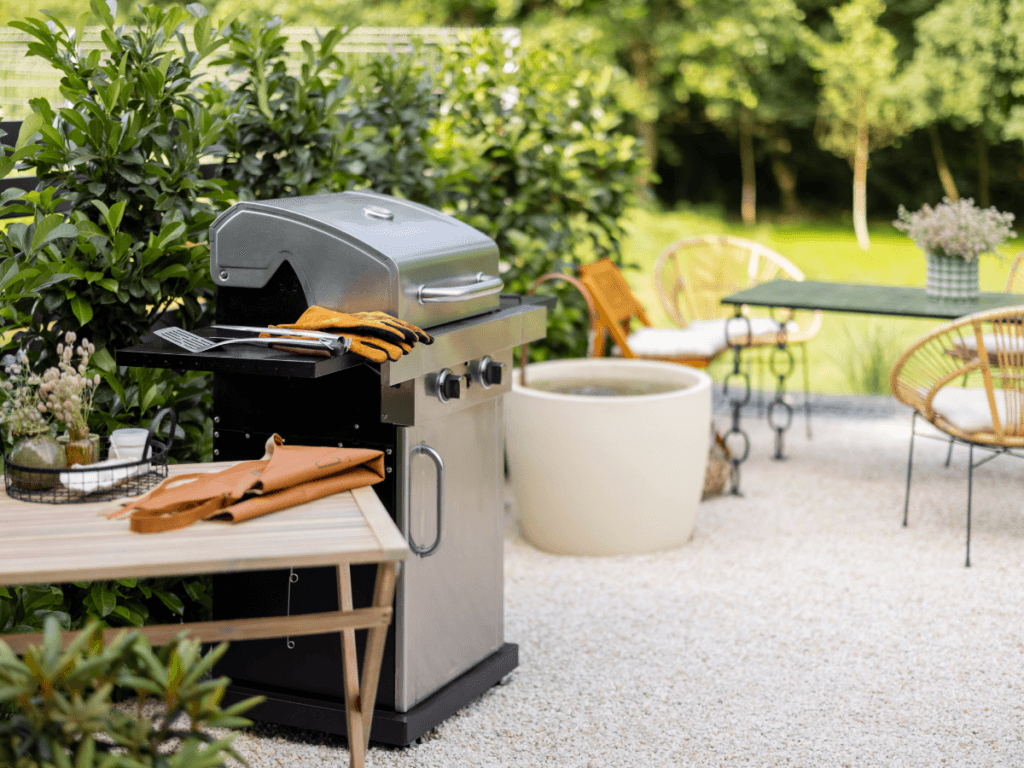
Outdoor kitchen appliances are designed to handle exterior conditions, but exposure to heat, humidity, rain, pollen, grease, and debris still takes a toll over time. Regular maintenance protects the equipment itself while helping the entire cooking area stay cleaner and easier to use.
For homeowners investing in a complete outdoor kitchen design and installation, maintenance should be considered from the planning stage. Appliance placement, ventilation, access for cleaning, and surrounding materials can all affect how easy the kitchen is to maintain after installation.
Maintain Outdoor Grills Based on How Often You Cook
A grill used several times a week will need more frequent attention than one reserved for occasional entertaining. Instead of waiting for a major seasonal cleaning, remove grease and food residue as they accumulate.
Clean cooking grates according to the manufacturer’s instructions and periodically inspect grease trays, burners, ignition components, and burner openings. Excess grease can affect performance and create a fire hazard, while clogged burner ports may contribute to uneven heating.
Gas grill owners should also watch for changes in ignition or flame patterns. Persistent trouble lighting the grill, unusual flames, or the smell of gas calls for professional inspection rather than another round of cleaning.
The surrounding cooking area matters too. A properly constructed paver patio can provide a durable foundation for an outdoor entertaining space, but spills, grease, and debris around the kitchen should still be cleaned promptly to protect nearby surfaces.
Keep Outdoor Refrigerators Clean and Properly Ventilated
Refrigerators have different maintenance requirements because they need continuous airflow to remove heat. Keep ventilation openings free from leaves, dirt, pollen, and other debris, particularly when the refrigerator is built into cabinetry.
Clean the interior regularly, wipe up spills, and inspect door seals for dirt or damage that prevents the refrigerator from closing properly. It is also worth checking the internal temperature periodically. A refrigerator that suddenly struggles to stay cold may have a ventilation, seal, electrical, or mechanical problem that requires more than routine cleaning.
These considerations are especially important when selecting built-in outdoor kitchen appliances because future access for maintenance should be incorporated into the original layout.
Protect Your Outdoor Kitchen From Weather Exposure
Protective covers can reduce exposure to rain, debris, pollen, and sunlight when they are appropriate for the appliance. Use covers designed for the specific equipment, and never cover an appliance while it is still hot or wet.
After storms or prolonged periods without use, inspect the kitchen before turning everything back on. Check for standing water, debris around vents, damaged electrical components, pest activity, and anything unusual around gas connections.
Homeowners designing a larger entertaining area may also integrate the kitchen with other features, such as a custom fire pit or outdoor fireplace. Thinking about the entire space rather than each feature separately can make cleaning, circulation, and long-term upkeep much easier.
Know When Maintenance Has Become a Repair
Routine maintenance can address grease, dirt, blocked vents, minor surface corrosion, and general cleaning. Electrical faults, damaged gas connections, refrigeration failures, recurring ignition problems, and unexplained changes in appliance performance are different.
Before attempting repairs, review the manufacturer’s warranty. Some warranties specify installation requirements, approved parts, maintenance procedures, or who can perform certain repairs. Keep receipts, model and serial numbers, warranty documents, and installation records somewhere accessible.
If you’re still planning the project, reviewing JR Artisan Outdoors’ outdoor project planning and installation process can also help clarify how design decisions, material selection, and professional installation fit together before construction begins.
Consistent preventive care is one of the simplest ways to protect outdoor kitchen appliances after installation.
Cleaning according to manufacturer guidance, keeping ventilation clear, protecting equipment from unnecessary exposure, and addressing unusual performance early can help preserve both the appliances and the outdoor kitchen built around them.
Conclusion
Choosing the right outdoor kitchen appliances can turn an Atlanta backyard into a functional space for cooking, entertaining, and enjoying more time outdoors.
From high-quality grills and outdoor refrigerators to sinks, storage, and specialty cooking equipment, each appliance should fit the way you plan to use your space while standing up to Georgia’s changing weather conditions.
Thoughtful design and professional installation can bring these features together into an outdoor kitchen that feels like a natural extension of your home.
For custom outdoor kitchen design and expert craftsmanship, choose JR Artisan Outdoors. If you’re ready to create an outdoor kitchen built around the way you cook and entertain, call (470) 762-0777 to speak with the team at JR Artisan Outdoors or visit our website to request your free quote today.