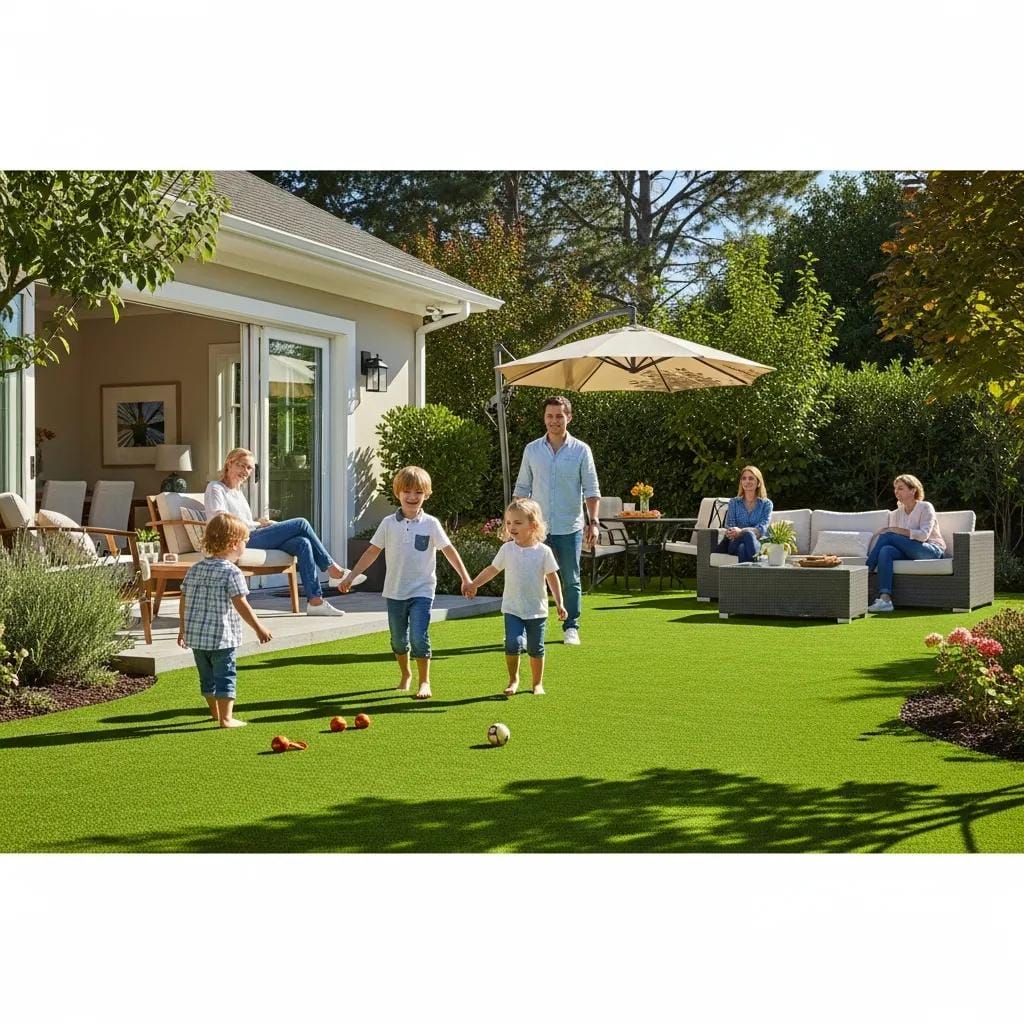
Outdoor spaces are becoming more connected, efficient, and easier to manage thanks to advances in smart home technology.
From automated lighting and irrigation systems to app-controlled security and entertainment features, homeowners are finding new ways to improve comfort and convenience outside the home.
Smart outdoor tech trends Metro Atlanta homeowners should know are shaped by both lifestyle and climate. Features that help manage water use, withstand changing weather, and support year-round outdoor living are becoming increasingly popular across the region.
With the right technology, patios, landscapes, and outdoor living areas can become more functional, energy-efficient, and tailored to how homeowners use their space every day.
Smart Outdoor Tech Trends for Modern Atlanta Backyards
What Are the Latest Smart Outdoor Lighting Systems for Enhanced Ambiance?
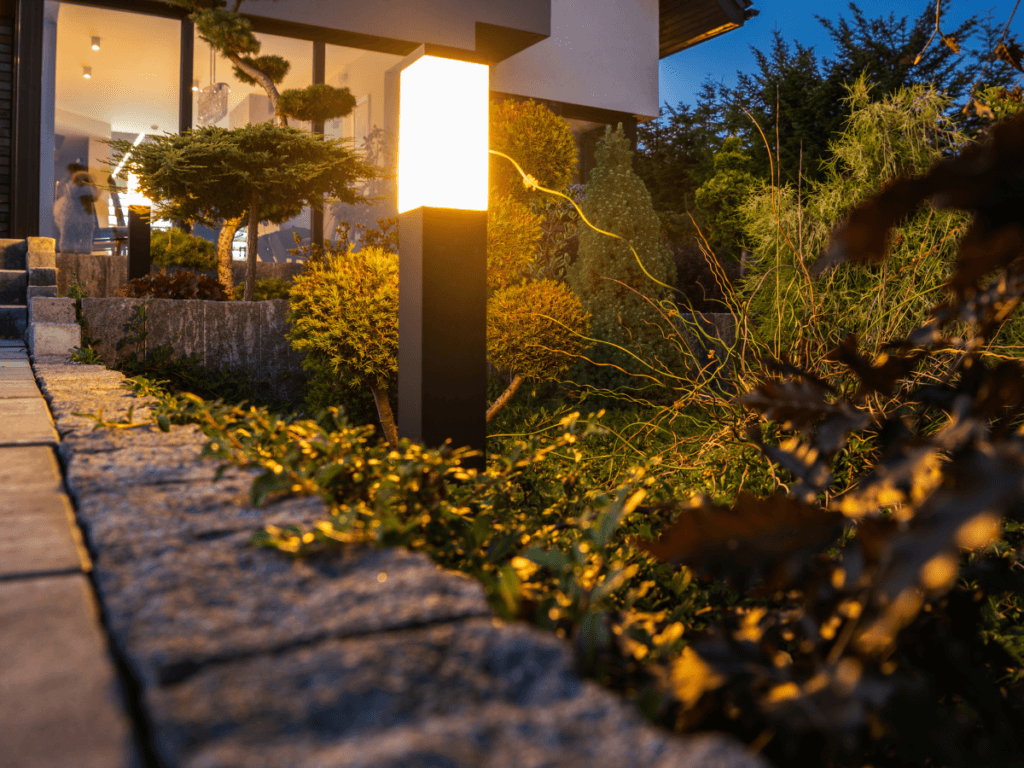
Modern outdoor lighting has evolved far beyond simple porch lights and pathway fixtures. Today’s smart outdoor tech gives homeowners more control over how their outdoor spaces look, feel, and function throughout the day and night.
From automated garden lighting to app-controlled patio systems, smart lighting solutions are helping people create outdoor areas that are both practical and visually appealing.
Many of the latest systems combine energy efficiency, customization, and convenience in a way that traditional lighting setups simply cannot match.
Whether the goal is improving curb appeal, creating a relaxing backyard atmosphere, or increasing security, smart outdoor lighting offers flexible solutions for a wide range of needs.
How LED Smart Lighting Improves Outdoor Spaces
LED lighting remains one of the most popular components of smart outdoor tech because of its efficiency and long lifespan. Compared to traditional incandescent bulbs, LED lights use significantly less energy while still producing bright, reliable illumination.
For homeowners, this means lower electricity costs and reduced maintenance over time. LED smart lights are commonly used along walkways, driveways, patios, decks, and landscaping features where consistent lighting is important.
Another major advantage is customization. Many smart LED systems allow users to adjust brightness, color temperature, and even lighting color directly from a smartphone app.
Warm lighting can create a softer, more inviting atmosphere for outdoor gatherings, while brighter white lighting may be preferred for security or visibility around entrances and pathways.
Because LED fixtures generate less heat and require fewer replacements, they are also a practical long-term investment for outdoor environments exposed to changing weather conditions.
Why Solar Smart Lights Continue to Grow in Popularity
Solar-powered lighting has become an increasingly important part of smart outdoor tech, especially for homeowners looking to reduce energy consumption without sacrificing convenience.
Unlike wired lighting systems, solar smart lights collect and store energy during the day using built-in solar panels. At night, the stored energy powers the fixtures automatically. This eliminates the need for complex wiring while reducing ongoing electricity costs.
Solar smart lighting is especially useful for gardens, pathways, fence lines, and remote outdoor areas where installing electrical connections may be difficult or expensive.
Many modern solar fixtures now include motion sensors, brightness controls, and app connectivity, making them more versatile than earlier generations of solar lighting. Improved battery technology has also increased reliability, allowing many systems to perform well even during periods of limited sunlight.
How Voice-Controlled Lighting Adds Convenience
Voice integration has become one of the defining features of smart outdoor tech. Homeowners can now control outdoor lighting systems using voice assistants connected through smart home platforms.
This level of convenience makes it easy to turn lights on before arriving home, dim patio lighting during outdoor dinners, or activate landscape lighting without manually adjusting switches. Voice-controlled systems are especially helpful for larger properties where multiple lighting zones need to be managed at once.
Automated lighting schedules also improve everyday usability. Homeowners can program outdoor lights to activate at sunset, dim later in the evening, or shut off automatically overnight. These features help reduce unnecessary energy usage while maintaining a comfortable outdoor environment.
Smart Lighting and Outdoor Security
Beyond ambiance, smart outdoor lighting plays a major role in home security. Motion-activated lighting systems can instantly illuminate driveways, entrances, or side yards when movement is detected. This added visibility may help deter unwanted activity while improving safety for homeowners and guests.
Remote access is another valuable feature. Many smart outdoor tech systems allow homeowners to control lighting from anywhere using mobile apps. When traveling, users can create scheduled lighting patterns that make the property appear occupied even when nobody is home.
This combination of automation, visibility, and remote control gives smart outdoor lighting both aesthetic and functional value.
Choosing the Right Smart Outdoor Lighting Setup
The best lighting setup depends on how the outdoor space is used. Some homeowners prioritize entertainment areas like patios and decks, while others focus on pathway visibility, landscaping, or security coverage.
LED systems are often ideal for permanent lighting installations because of their efficiency and customization options. Solar lighting works well in areas where wiring would be inconvenient or where sustainability is a priority. Many homeowners combine both approaches to create layered lighting that balances appearance, practicality, and energy savings.
How Can Automated Garden Irrigation Save Water and Boost Efficiency?
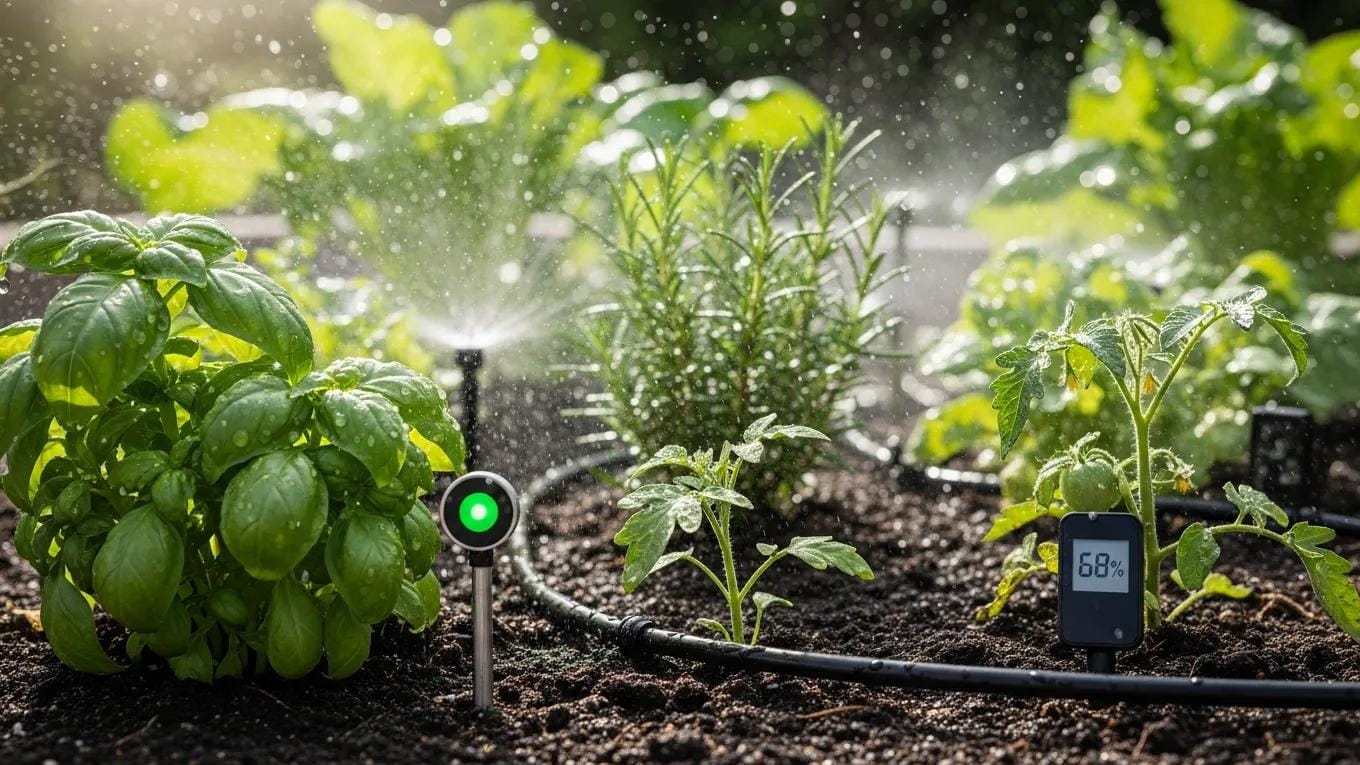
Water management has become one of the most practical applications of smart outdoor tech for modern homeowners. Automated irrigation systems are changing the way people care for lawns, gardens, and landscaping by using technology to deliver water more efficiently and consistently.
Instead of relying on manual watering schedules or traditional timer systems, today’s smart irrigation solutions can monitor soil conditions, weather patterns, and plant needs in real time. The result is healthier landscaping, lower water usage, and less day-to-day maintenance for homeowners.
As outdoor spaces become more connected through smart outdoor tech, irrigation systems are increasingly being integrated into larger landscape and hardscape designs to improve both functionality and appearance.
How Sensor-Based Irrigation Systems Work
One of the biggest advancements in automated irrigation is the use of soil moisture sensors. These sensors measure how much moisture is already present in the ground and adjust watering schedules accordingly.
Traditional sprinkler systems often operate on fixed schedules regardless of weather conditions or soil saturation. This can lead to overwatering, wasted water, and unhealthy root systems. Sensor-based systems solve this problem by watering only when plants actually need it.
For example, if the soil still contains adequate moisture after recent rainfall, the irrigation system may skip a scheduled cycle automatically. During hot or dry periods, the system can increase watering frequency to compensate for changing conditions.
This responsive approach helps homeowners maintain healthier lawns and gardens while significantly reducing unnecessary water consumption.
Why Weather-Adaptive Irrigation Improves Efficiency
Weather-adaptive irrigation takes smart outdoor tech a step further by incorporating local weather data into watering decisions.
These systems connect to weather forecasts and automatically adjust irrigation schedules based on expected rain, humidity, wind conditions, and temperature changes. If heavy rainfall is predicted, the system may delay watering entirely. During heat waves, it can provide additional hydration to prevent plant stress.
This level of automation helps eliminate much of the guesswork involved in landscape maintenance. It also reduces the common problem of watering during or immediately after rainstorms, which wastes water and can damage plants over time.
For homeowners focused on sustainability, weather-adaptive irrigation offers a practical way to conserve resources without sacrificing landscape quality.
How Smart Irrigation Supports Healthier Landscapes
Consistent watering is one of the most important factors in maintaining healthy outdoor spaces. Too much water can encourage disease, shallow root growth, and soil erosion, while too little water can weaken plants and create dry patches across the landscape.
Smart outdoor tech helps create more balanced watering patterns by responding to actual environmental conditions instead of rigid schedules. Gardens, lawns, shrubs, and flower beds receive more precise care, which often leads to stronger plant growth and improved long-term health.
This precision is especially useful for homeowners with larger landscapes or mixed planting areas that require different watering levels throughout the property.
Integrating Smart Irrigation With Hardscaping
Automated irrigation systems are also becoming an important part of modern hardscaping projects. Features like retaining walls, stone walkways, patios, and decorative garden beds can all benefit from carefully managed irrigation.
When irrigation systems are poorly planned, excess water can damage hardscape materials, contribute to erosion, or create drainage issues around structures. Smart irrigation systems help regulate water distribution more accurately, protecting both landscaping and structural elements.
Many landscape professionals now integrate smart outdoor tech directly into outdoor design plans to improve efficiency and reduce maintenance concerns over time.
Companies like JR Artisan Outdoors incorporate automated irrigation solutions into outdoor living projects, helping homeowners combine water efficiency with attractive landscape design.
Long-Term Benefits of Smart Irrigation Systems
Beyond water conservation, automated irrigation systems can reduce utility costs, minimize maintenance time, and improve overall property appearance. Because watering schedules are optimized automatically, homeowners spend less time manually adjusting systems throughout changing seasons.
Many systems can also be controlled remotely through smartphone apps, allowing users to monitor water usage, change schedules, or shut systems off while away from home.
As smart outdoor tech continues to evolve, irrigation systems are becoming more intelligent, more efficient, and easier to manage than ever before.
Which Wireless Outdoor Sensors Optimize Home Outdoor Automation?
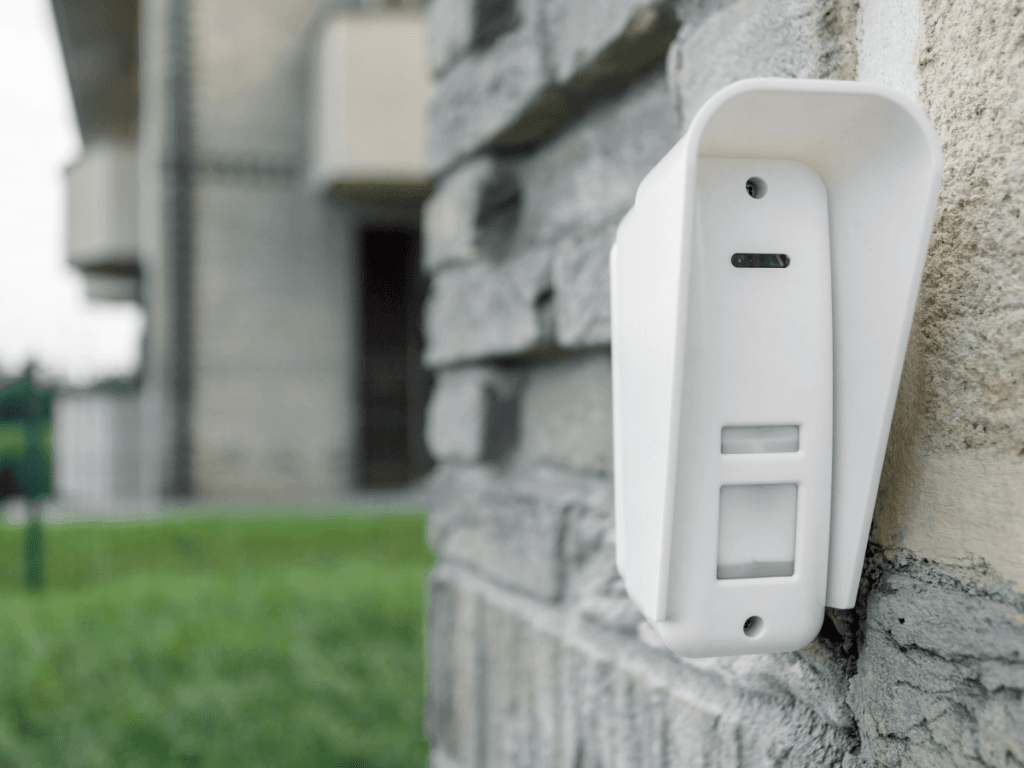
Wireless sensors have become one of the most important components of modern smart outdoor tech. These devices help homeowners automate outdoor systems by collecting real-time information about weather conditions, lighting, motion, temperature, and energy usage.
Instead of relying on fixed schedules or manual adjustments, outdoor automation systems can respond dynamically based on what is actually happening around the property.
As smart homes continue to evolve, wireless outdoor sensors are making outdoor spaces more efficient, secure, and easier to manage. From irrigation control to security monitoring, these sensors create a more connected outdoor environment that requires less hands-on maintenance from homeowners.
How Outdoor Sensors Monitor Weather Conditions
Weather monitoring is one of the most practical uses of smart outdoor tech. Wireless sensors can track rainfall, humidity, wind, temperature, and sunlight exposure throughout the day. This information is then used to automate outdoor systems more intelligently.
For example, irrigation systems connected to weather sensors can pause watering schedules during rainstorms or increase watering during extended heat. This prevents overwatering, conserves resources, and supports healthier landscaping.
Temperature and sunlight sensors can also help manage outdoor lighting and climate features. Patio heaters, shade systems, and smart lighting setups can automatically adjust based on changing outdoor conditions, creating a more comfortable environment without requiring constant manual input.
Because these systems respond in real time, homeowners gain more precise control over their outdoor spaces while reducing unnecessary energy and water usage.
How Motion and Security Sensors Improve Outdoor Safety
Security remains one of the fastest-growing areas within smart outdoor tech. Wireless motion sensors allow homeowners to monitor activity around driveways, entrances, backyards, and side yards more effectively.
When motion is detected, connected systems can trigger floodlights, activate cameras, or send alerts directly to a smartphone. This added layer of automation improves visibility and helps homeowners stay informed about activity around their property, even while away from home.
Many outdoor sensor systems now integrate with larger smart home ecosystems, allowing users to manage cameras, alarms, locks, and lighting from a single app or control hub. This streamlined approach simplifies home security while making outdoor spaces feel safer and more responsive.
Motion sensors are also useful beyond security. Some homeowners use them to automate pathway lighting, outdoor entertainment areas, or garage access for greater convenience during everyday use.
The Role of Sensors in Energy Efficiency
One of the biggest advantages of smart outdoor tech is its ability to improve energy efficiency through automation. Outdoor sensors help systems operate only when necessary, reducing wasted electricity and unnecessary system usage.
Smart lighting systems are a good example. Ambient light sensors can measure natural daylight levels and automatically adjust brightness or activate outdoor fixtures only when conditions become darker. This reduces energy consumption while maintaining visibility and ambiance.
Wireless sensors can also help monitor outdoor appliance usage, pool systems, and climate-control equipment. By collecting real-time performance data, homeowners can identify inefficiencies and make adjustments that lower utility costs over time.
This type of automation not only supports sustainability goals but also helps reduce long-term maintenance and operational expenses.
How Wireless Sensors Support Sustainable Outdoor Living
Sustainability has become a major focus for many homeowners investing in smart outdoor tech. Wireless sensors support this goal by helping outdoor systems respond more accurately to environmental conditions.
Water conservation is one of the clearest examples. Soil moisture sensors, weather monitors, and irrigation controls work together to avoid unnecessary watering while keeping landscapes healthy.
Lighting automation also contributes to sustainability by reducing electricity usage during daylight hours or low-traffic periods. Even small efficiency improvements across multiple systems can create noticeable savings over time.
As outdoor technology becomes more advanced, sensors are playing a larger role in helping homeowners create smarter and more environmentally conscious outdoor spaces.
Choosing the Right Outdoor Sensor Setup
The best sensor setup depends on the homeowner’s priorities. Some may focus on weather monitoring and irrigation efficiency, while others prioritize security automation or lighting control. Many modern smart outdoor tech systems allow homeowners to combine multiple sensor types into one connected platform.
This creates a more seamless experience where lighting, irrigation, security, and energy management systems all work together automatically. Wireless installation also makes these systems easier to expand over time without major construction or wiring changes.
How Is Smart Patio Technology Transforming Outdoor Living Spaces?
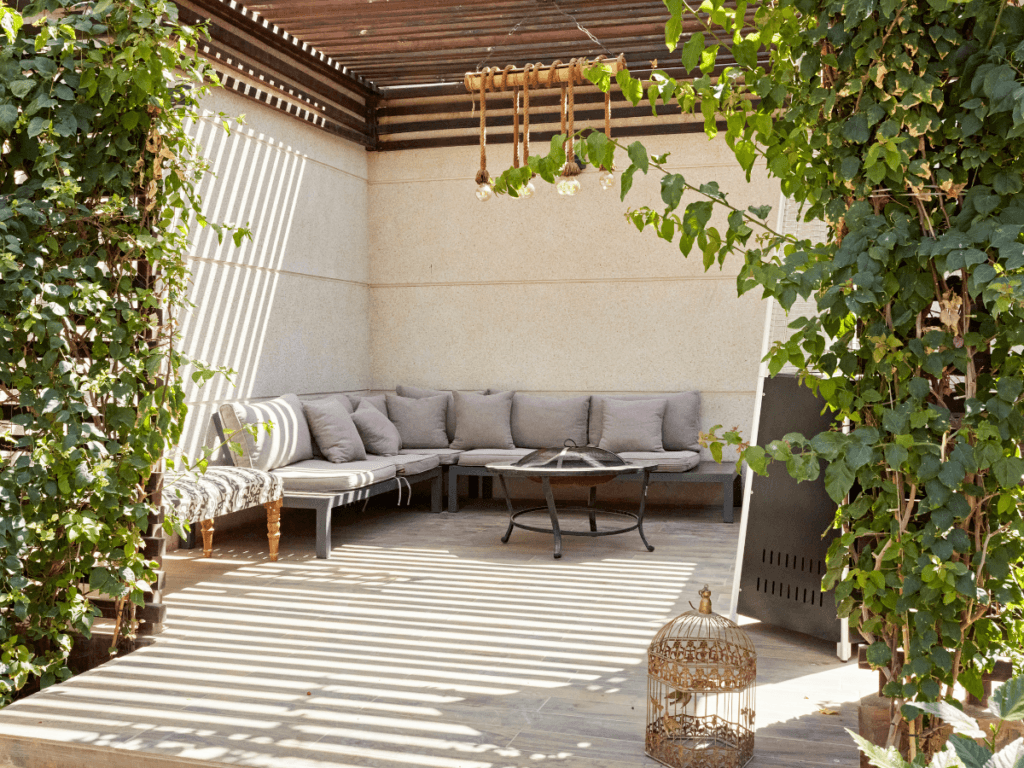
Smart patio technology is changing the way homeowners use and enjoy their outdoor spaces. What was once a simple patio area can now function as an extension of the home, complete with automated lighting, climate controls, entertainment systems, and connected devices that improve comfort and convenience.
As smart outdoor tech continues to evolve, patios are becoming more functional throughout the year rather than spaces used only during ideal weather conditions.
Homeowners can now customize their outdoor environments with technology that responds to changing temperatures, lighting needs, and entertainment preferences with minimal effort.
What Smart Features Improve Patio Comfort and Convenience?
One of the biggest advantages of smart outdoor tech is the ability to make patios more comfortable without constant manual adjustments. Automated heating systems, smart fans, and connected misting systems allow homeowners to adapt outdoor spaces to different weather conditions quickly.
For cooler evenings, smart patio heaters can be controlled remotely through mobile apps or voice assistants. During warmer months, automated fans and shade systems help maintain a more comfortable environment without requiring homeowners to constantly adjust settings themselves.
Lighting also plays a major role in modern patio design. Smart LED lighting systems allow users to adjust brightness, schedules, and even color tones to match different activities or moods. Homeowners can create softer lighting for quiet evenings or brighter setups for entertaining guests.
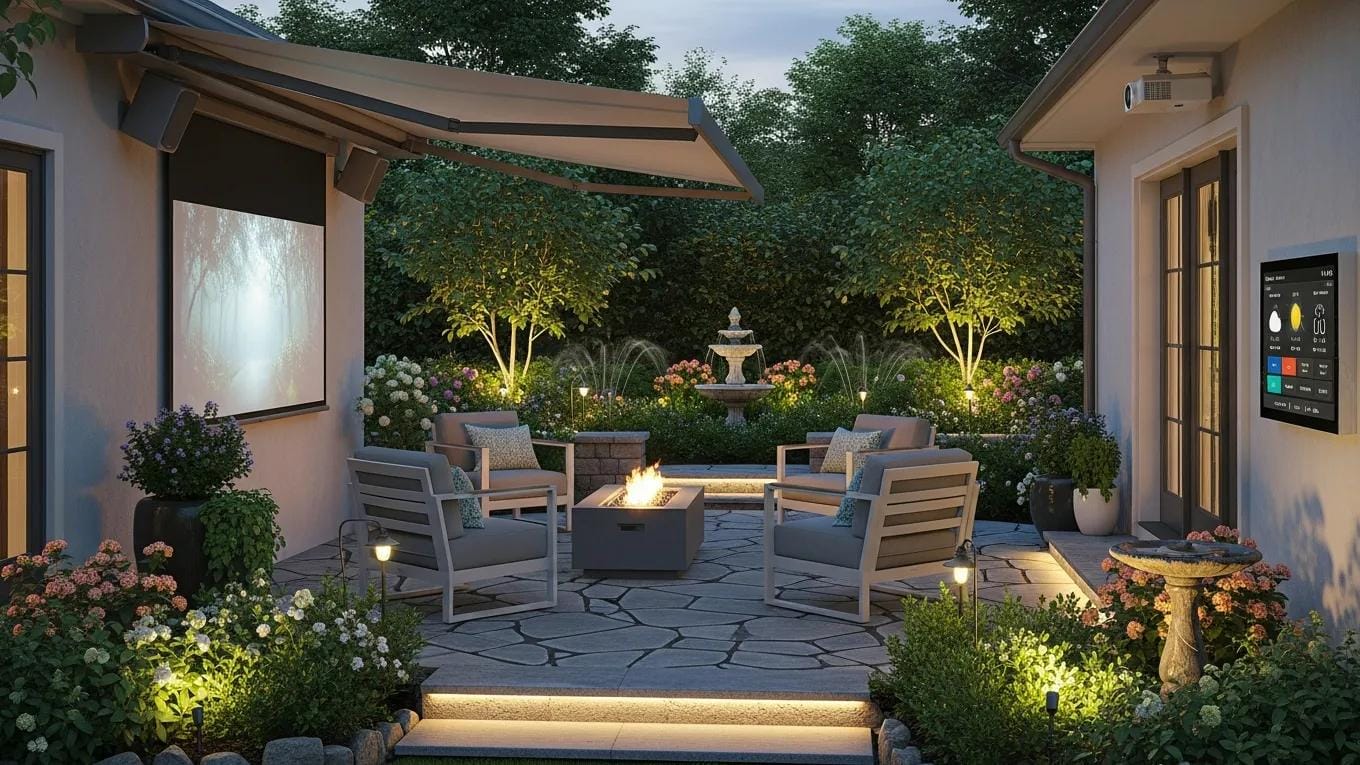
Integrated entertainment systems are another growing trend in smart outdoor tech. Outdoor speakers, weather-resistant televisions, and wireless sound systems make patios more versatile for gatherings, sporting events, or everyday relaxation.
How Smart Automation Simplifies Outdoor Living
One of the reasons smart patio technology continues to grow in popularity is the convenience it offers. Instead of managing multiple systems separately, homeowners can automate many outdoor functions through a single connected platform.
For example, a homeowner could create an evening patio setting that automatically adjusts lighting, activates outdoor speakers, and turns on heating systems at a scheduled time. These automations make outdoor spaces feel more polished and easier to use regularly.
Voice control integration also adds another layer of simplicity. Homeowners can control lighting, music, temperature settings, and outdoor devices using voice assistants or smartphone apps without leaving their seats.
This level of automation helps outdoor spaces feel more connected to the rest of the home while reducing the need for constant adjustments.
The Growing Role of Smart Furniture and Environmental Sensing
Modern smart outdoor tech is extending beyond lighting and climate control into furniture and environmental monitoring. Some newer outdoor systems now include smart furniture equipped with charging stations, built-in speakers, and environmental sensors.
Research into smart furniture and interactive outdoor systems highlights how connected technology can improve functionality in outdoor environments. Environmental sensors can monitor weather conditions, temperature, air quality, and occupancy levels to help outdoor systems respond more intelligently.
For patios, this could mean lighting that automatically adjusts based on ambient brightness or heating systems that activate when outdoor temperatures drop below a certain level. These technologies create a more responsive and personalized outdoor experience while improving energy efficiency.
How Home Automation Integration Improves Usability
The true strength of smart outdoor tech often comes from how well it integrates with larger home automation systems. Instead of controlling outdoor devices individually, homeowners can manage patio lighting, irrigation, security cameras, and entertainment systems from one central interface.
This integration simplifies daily use while allowing homeowners to monitor energy consumption and automate routines more effectively. For example, outdoor lighting can sync with sunset schedules, while security systems can work alongside patio cameras and motion sensors for improved safety.
Connected systems also make it easier to manage outdoor spaces remotely. Whether adjusting lighting before arriving home or checking patio security while traveling, homeowners gain more flexibility and control over their property.
Why Smart Patio Technology Continues to Grow
The demand for outdoor living spaces has increased significantly in recent years, and smart outdoor tech is helping homeowners get more use out of those areas year-round. Patios are no longer treated as occasional-use spaces. Instead, they are becoming fully integrated living environments designed for relaxation, entertainment, and everyday functionality.
By combining automation, energy efficiency, and convenience, smart patio systems help homeowners create outdoor areas that feel more comfortable, modern, and adaptable to changing needs.
Conclusion
Smart outdoor technology is transforming Metro Atlanta backyards into connected, efficient, and effortlessly enjoyable living spaces.
From app-controlled irrigation systems that conserve water and weather-sensing lighting that adapts automatically, to robotic mowers and outdoor entertainment hubs with integrated speakers, today’s innovations offer unprecedented convenience and sustainability.
For expert design and installation of cutting-edge hardscapes that seamlessly integrate these smart technologies, trust JR Artisan Outdoors. Ready to bring your backyard into the future?
Call (470) 762-0777 or visit our website to request your free quote today. Let our team help you create an outdoor oasis that’s as intelligent as it is beautiful—working for you, even when you’re not home.