Mosquitoes can quickly turn an outdoor space into something you avoid instead of enjoy. Standing water, dense overgrowth, and poor drainage create the perfect conditions for them to thrive, especially in warmer climates. Addressing these factors early can make a noticeable difference in how usable your yard feels.
Effective landscaping for mosquito control focuses on reducing breeding areas while creating an environment that’s less inviting to pests. Strategic plant choices, proper grading, and consistent maintenance all play a role in limiting mosquito activity without relying solely on chemical treatments.
With the right approach, you can make your outdoor space more comfortable, reduce pest presence, and enjoy your yard with fewer interruptions.
Landscaping for Mosquito Control That Improves Outdoor Living
Which Mosquito Repellent Plants Thrive In Metro Atlanta Gardens?
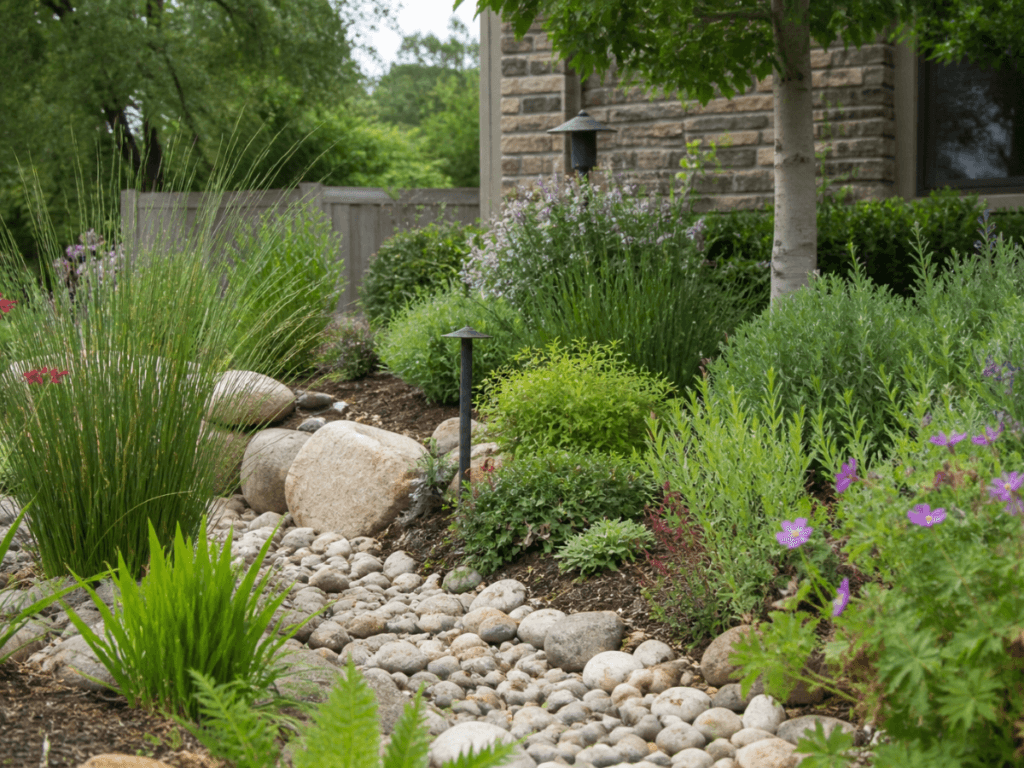
Using plants as part of your mosquito control strategy is a practical way to make your outdoor space more comfortable without relying entirely on chemical treatments.
In a climate like Metro Atlanta, where warm temperatures and humidity create ideal breeding conditions, choosing the right plants can make a noticeable difference. Certain species not only grow well in Georgia landscapes but also contain natural compounds that mosquitoes tend to avoid.
Adding these plants to garden beds, patios, or entryways can help create a subtle barrier that reduces mosquito activity in areas where people spend the most time. While plants alone will not eliminate mosquitoes completely, they can support a more balanced and layered approach to mosquito control.
Top Native And Mosquito-Resistant Plant Species For Georgia Landscapes
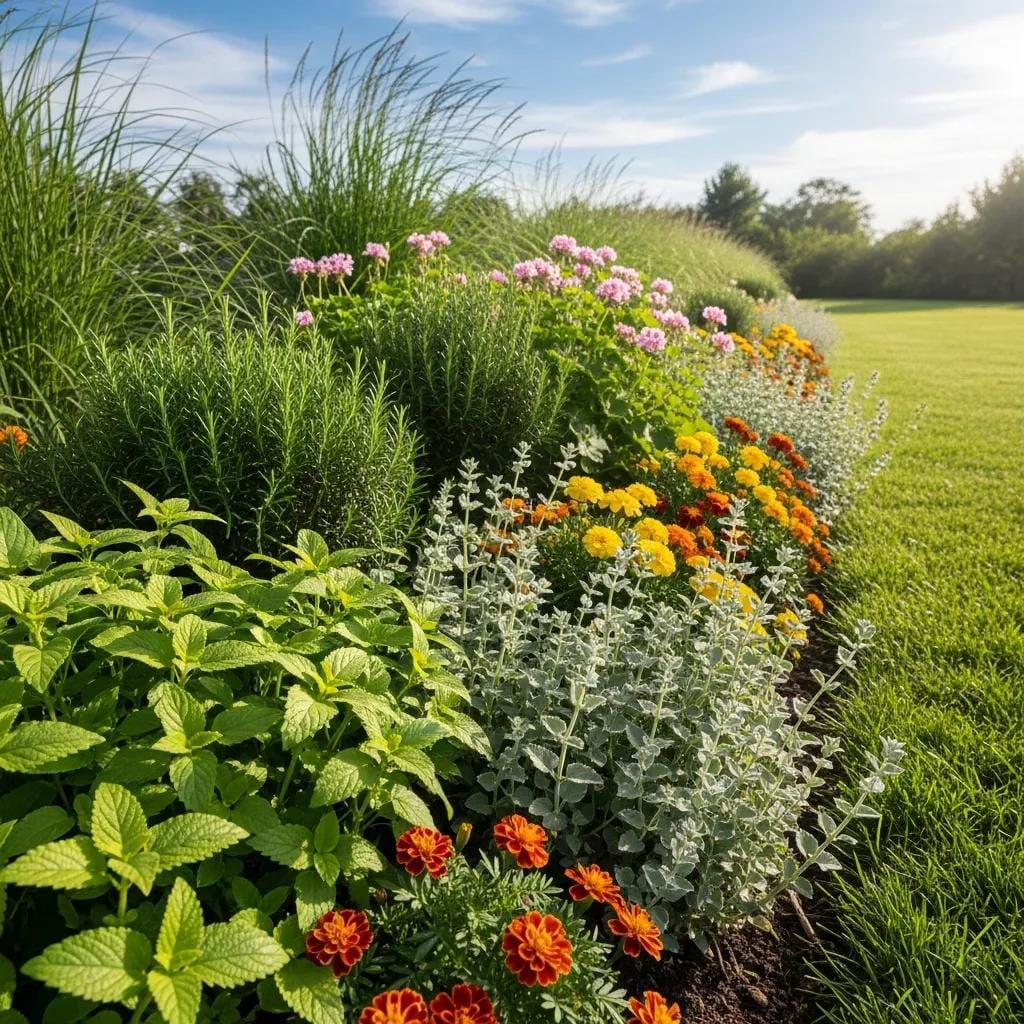
Some plants stand out for both their ability to thrive locally and their natural repellent qualities. Lemon balm is a popular choice because of its fresh scent and easy growth. It releases oils that can interfere with the scents mosquitoes use to locate people, which makes it a useful addition near seating areas or walkways.
Marigolds are another strong option, known for their bright color and distinct aroma. Their scent is not appealing to mosquitoes, and they are often used to line garden edges or containers. Beyond their repellent properties, they also add visual interest, which makes them a practical and decorative choice.
Catnip is particularly interesting because of its strength as a natural deterrent. Research has shown that compounds found in catnip can be highly effective against mosquitoes. When included in your landscape, it can play a meaningful role in mosquito control, especially when combined with other preventive measures.
Why Catnip Stands Out As A Natural Repellent
Catnip, scientifically known as Nepeta cataria, is widely recognized for its effect on cats, but its value extends well beyond that. The plant produces an essential oil that contains a compound called nepetalactone, which has been shown to repel a range of insects, including mosquitoes, flies, and ticks.
What makes catnip especially useful is how its effectiveness compares to some synthetic repellents. Studies have suggested that its natural compounds can perform at a similar level in certain conditions.
This makes it an appealing option for homeowners who prefer a more plant-based approach to mosquito control without sacrificing effectiveness.
That said, catnip works best when used as part of a broader strategy. It should not be viewed as a standalone solution, but rather as one component that supports other efforts, such as reducing standing water and maintaining your yard.
How These Plants Repel Mosquitoes And Improve Outdoor Spaces
The effectiveness of these plants comes down to the natural oils they produce. Mosquitoes rely heavily on scent to find hosts, and strong plant aromas can disrupt that process.
Lemon balm, for example, releases a citrus-like fragrance that masks human scents, while marigolds produce compounds that mosquitoes tend to avoid altogether.
Beyond their functional benefits, these plants also contribute to the overall feel of your outdoor space. A garden that includes a mix of fragrant herbs and colorful flowers feels more inviting, which encourages you to spend more time outside without constantly dealing with pests.
When used thoughtfully, these plants can support a more comfortable environment while complementing other mosquito control methods. By combining landscaping choices with good maintenance habits, you create a setting that is both visually appealing and less attractive to mosquitoes.
How Can Hardscaping Techniques Minimize Mosquito Habitats?
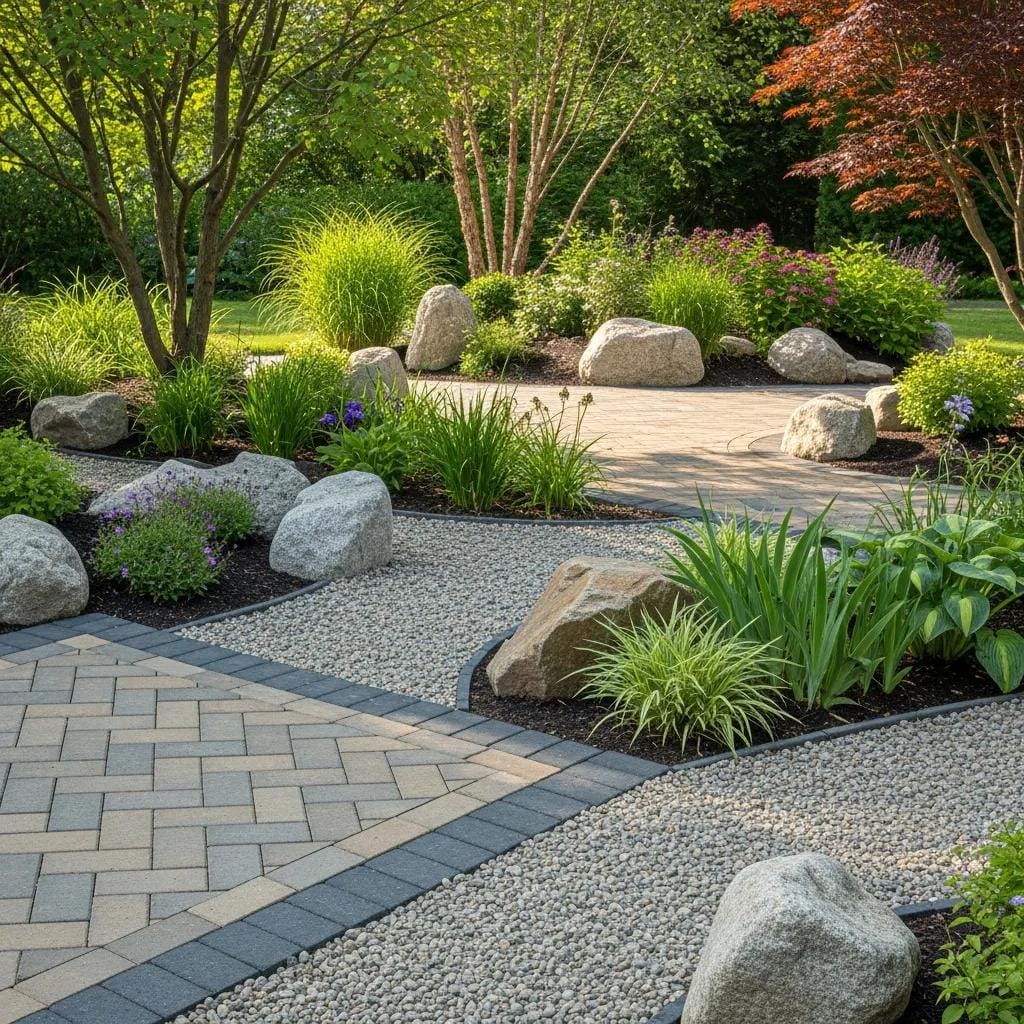
When people think about mosquito control, they often focus on sprays or plants, but the structure of your outdoor space plays an equally important role.
Hardscaping, which includes features like patios, walkways, and stonework, can influence how water moves through your yard. Since mosquitoes rely on standing water to breed, thoughtful design choices can significantly reduce their presence.
Instead of reacting to mosquitoes after they appear, hardscaping allows you to address the conditions that attract them in the first place.
By managing drainage and eliminating areas where water can collect, you create an environment that is far less inviting for mosquito activity. This approach shifts mosquito control from short-term fixes to long-term prevention.
Designing Hardscape Features That Prevent Standing Water
The most effective hardscaping strategies focus on how water flows and where it settles. Surfaces that allow water to drain properly are key.
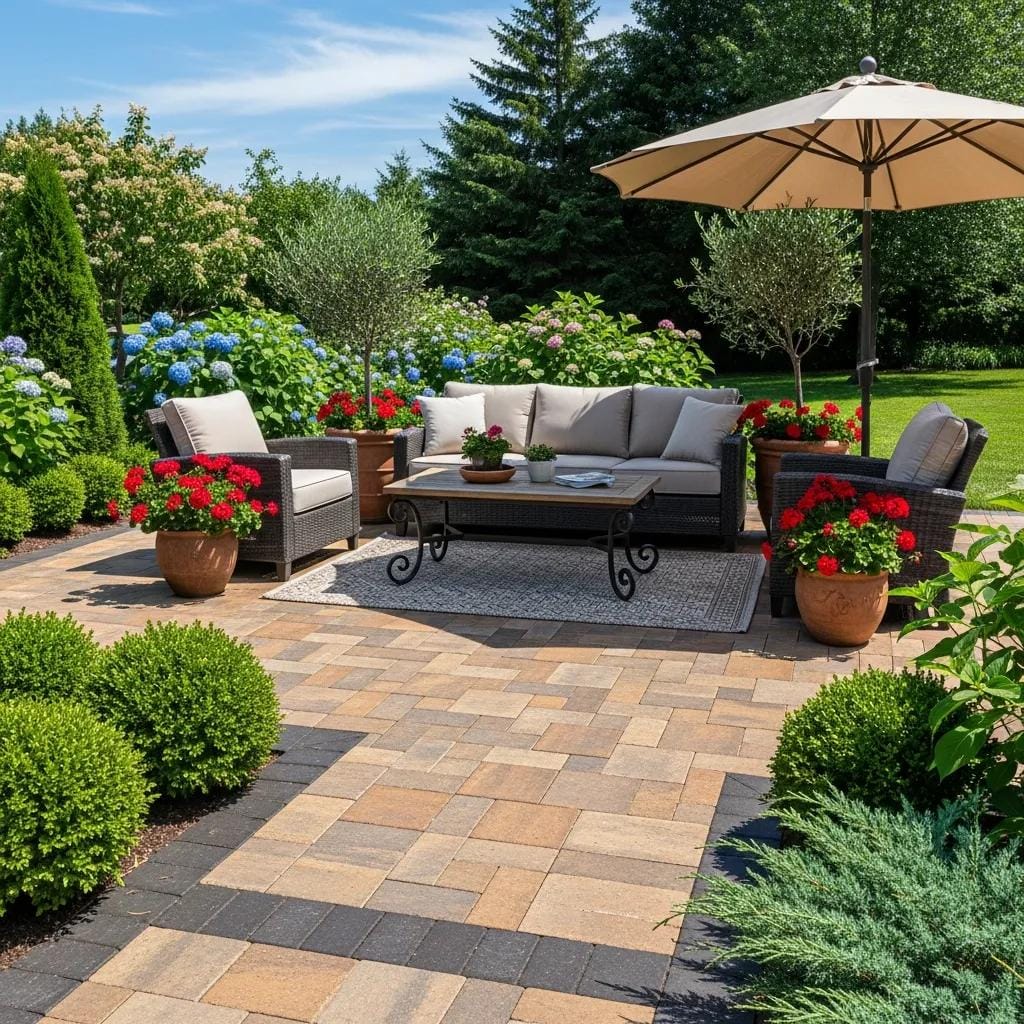
Permeable pavers, for example, are designed to let rainwater pass through rather than sit on top. This reduces the chance of puddles forming after heavy rainfall, which is one of the most common sources of mosquito breeding.
Gravel pathways and decorative stone areas can also support better drainage. These materials naturally allow water to filter through the surface, preventing buildup in high-traffic areas. In addition, grading your yard so that water flows away from your home and gathering spaces helps keep surfaces dry and usable.
Another important detail is how different elements connect. Poor transitions between patios, driveways, and garden beds can create small dips where water collects. Smoothing out these transitions and ensuring a consistent slope can make a noticeable difference over time.
Using Hardscaping As A Long-Term Mosquito Control Strategy
What sets hardscaping apart is its durability. Unlike seasonal treatments, these changes continue to work year after year with minimal upkeep.
Once your outdoor space is designed to manage water effectively, it becomes much easier to maintain a lower-risk environment for mosquitoes. This does not mean hardscaping replaces other mosquito control methods, but it strengthens them.
When there are fewer breeding sites to begin with, any additional steps you take, such as routine maintenance or targeted treatments, become more effective. It creates a layered approach where each element supports the others.
Professionals like JR Artisan Outdoors often incorporate these principles into their designs, balancing both function and appearance. The result is a space that not only looks polished but also works more efficiently behind the scenes.
Creating A More Usable And Comfortable Outdoor Space
Beyond reducing mosquitoes, well-planned hardscaping improves how you use your outdoor space. Areas that stay dry are easier to maintain and more enjoyable throughout the year.
You are less likely to deal with muddy patches, standing water, or the constant presence of insects when conditions are properly managed.
This practical benefit often goes hand in hand with visual appeal. Clean lines, structured pathways, and thoughtfully placed materials can give your yard a more intentional feel. At the same time, these features quietly support mosquito control by limiting the conditions mosquitoes depend on.
When hardscaping is approached with both design and function in mind, it becomes more than just an aesthetic upgrade.
It turns your outdoor space into a place that feels comfortable, usable, and better protected against common issues like standing water and mosquito activity.
What Water Management Practices Prevent Mosquito Breeding?
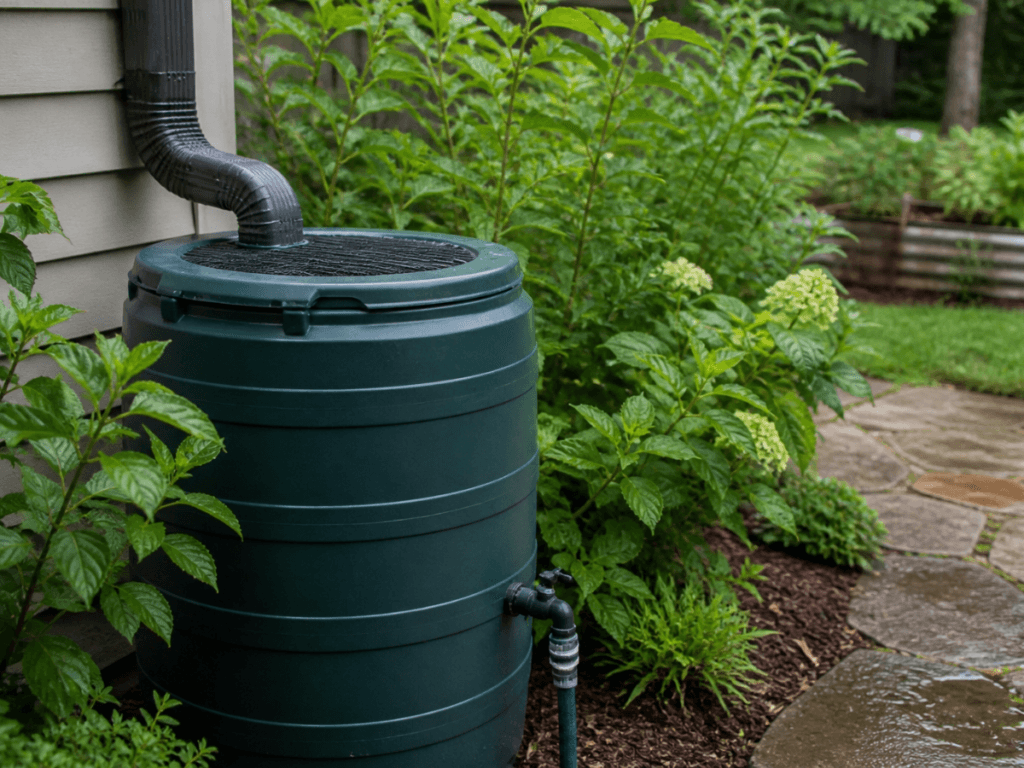
Water management is one of the most effective ways to reduce mosquito activity around your home. Mosquitoes depend on standing water to lay their eggs, so even small areas where water collects can quickly become a problem.
A thoughtful approach to drainage does more than improve your yard’s appearance. It directly supports mosquito control by removing the conditions mosquitoes need to reproduce.
Instead of focusing only on treatments after mosquitoes appear, water management addresses the root of the issue. When water is consistently redirected, absorbed, or dispersed, your outdoor space becomes far less suitable for breeding. This makes every other mosquito control effort more effective.
Effective Drainage Solutions To Eliminate Standing Water
Improving drainage starts with identifying where water tends to collect. Low-lying areas, compacted soil, and poorly graded surfaces often hold water longer than expected. Once these spots are addressed, several solutions can help manage excess moisture more efficiently.
French drains are commonly used to redirect water away from problem areas. These systems move water underground through a gravel-filled trench, guiding it away from your home and preventing buildup on the surface. This is especially helpful in yards where water tends to pool after heavy rain.
Dry wells offer another option by allowing water to soak back into the ground gradually. Instead of collecting on the surface, excess water is stored temporarily and then absorbed into the surrounding soil. This approach works well in areas that experience frequent runoff but lack natural drainage.
Rain gardens take a slightly different approach by combining function with design. These planted areas are positioned to capture and absorb rainwater runoff, reducing the amount of standing water while adding visual interest to your landscape.
When placed correctly, they can handle large amounts of water while still blending into the overall design of your yard. Together, these solutions create a system that keeps water moving rather than allowing it to sit. This shift plays a key role in long-term mosquito control.
Why Source Reduction Plays A Critical Role
Beyond structural drainage, reducing smaller water sources is just as important. Mosquitoes do not need large pools of water to breed. Containers like rain barrels, planters, or even clogged gutters can provide enough moisture for larvae to develop.
Research on targeted mosquito control efforts has shown that managing these small breeding sites can significantly reduce mosquito populations. In garden environments, simple changes such as covering rain barrels or ensuring they drain properly can limit opportunities for mosquitoes to reproduce.
This approach, often referred to as source reduction, focuses on removing breeding opportunities before they become a larger issue. It is a practical and reliable way to support mosquito control without relying entirely on treatments or sprays.
Integrating Water Management With Landscaping And Hardscaping
Water management becomes even more effective when it is built into the overall design of your outdoor space. Landscaping and hardscaping can work together to guide water where it needs to go while maintaining a clean and functional layout.
For example, placing rain gardens near patios or walkways can help capture runoff from hard surfaces. At the same time, properly positioned gutters and downspouts can direct water away from your home and toward areas designed to absorb it.
These small adjustments prevent water from settling in places where it can cause problems. When all of these elements are connected, your yard functions more efficiently as a whole.
Water flows through the space instead of collecting in isolated pockets, which reduces maintenance and supports consistent mosquito control.
By combining drainage solutions, source reduction, and thoughtful design, you create an outdoor environment that naturally limits mosquito activity. Over time, this approach not only improves comfort but also makes your yard easier to manage and enjoy.
How To Maintain A Mosquito-Free Outdoor Living Space Year-Round?
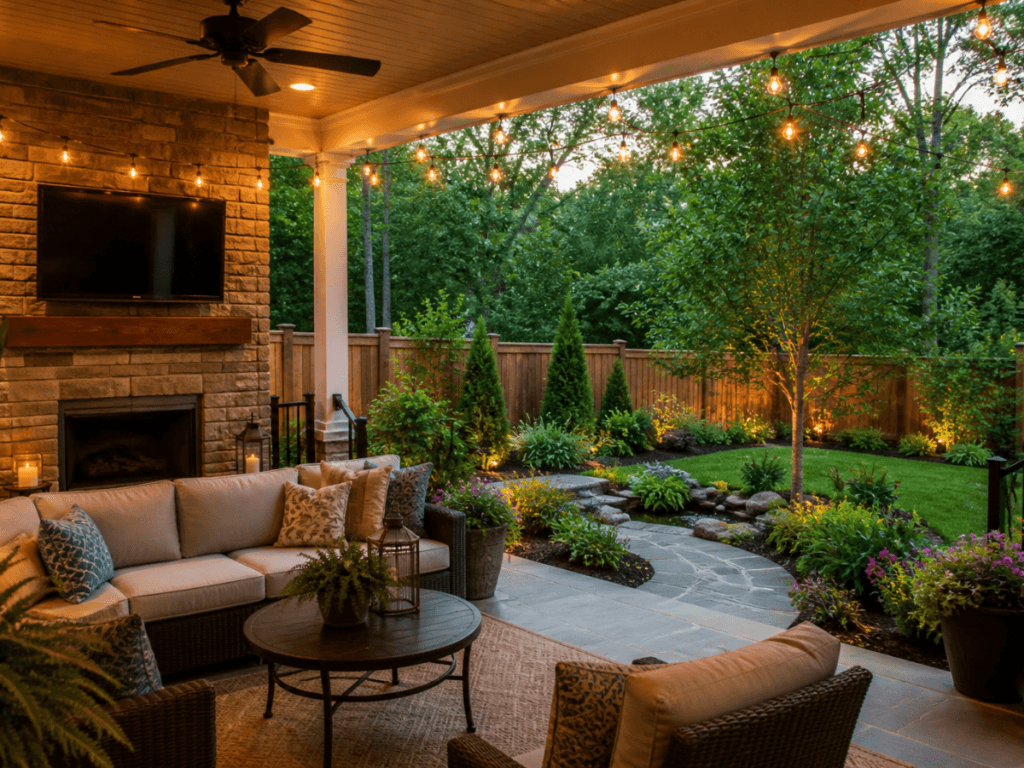
Keeping your outdoor space comfortable throughout the year takes more than a one-time fix. Mosquito activity changes with the seasons, so a consistent approach is what makes the biggest difference over time.
Instead of reacting to mosquitoes when they become a problem, year-round maintenance focuses on preventing the conditions that allow them to thrive.
A well-maintained yard supports mosquito control by limiting breeding areas, reducing shelter, and improving overall airflow. When these elements are managed consistently, your outdoor space becomes easier to enjoy without constant interruptions from pests.
Seasonal Maintenance Tips For Sustained Mosquito Control
Each season brings different challenges, and adjusting your routine accordingly helps keep mosquito populations in check.
In the spring, the focus should be on clearing out anything left behind from winter. Fallen leaves, clogged drains, and overlooked containers can hold water and quickly turn into breeding spots as temperatures rise.
As summer arrives, growth becomes the main concern. Thick vegetation and overgrown lawns create shaded, humid areas where mosquitoes tend to rest during the day.
Regular trimming and mowing help open up the space, allowing sunlight and airflow to reach areas that might otherwise stay damp. In the fall, attention shifts back to water management. Leaves can block gutters and downspouts, causing water to collect in places that are easy to miss.
Taking the time to clear these systems ensures that rainwater continues to flow away from your home rather than settling in unwanted areas. By adapting your maintenance routine throughout the year, you create a steady foundation for mosquito control that does not rely on short-term fixes.
Combining Plant Care, Hardscaping, And Lighting
A well-rounded outdoor space brings together several elements that work toward the same goal. Healthy plants, properly maintained hardscaping, and thoughtful lighting choices all play a role in reducing mosquito activity.
Caring for your plants goes beyond appearance. When plants are trimmed and spaced appropriately, they are less likely to trap moisture or create dense hiding spots. This helps keep your yard feeling more open and less attractive to mosquitoes.
Hardscaping features also need occasional attention to stay effective. Checking that pathways, patios, and drainage systems are still directing water properly can prevent small issues from developing into larger problems. Even minor shifts in grading or buildup in joints can lead to standing water if left unchecked.
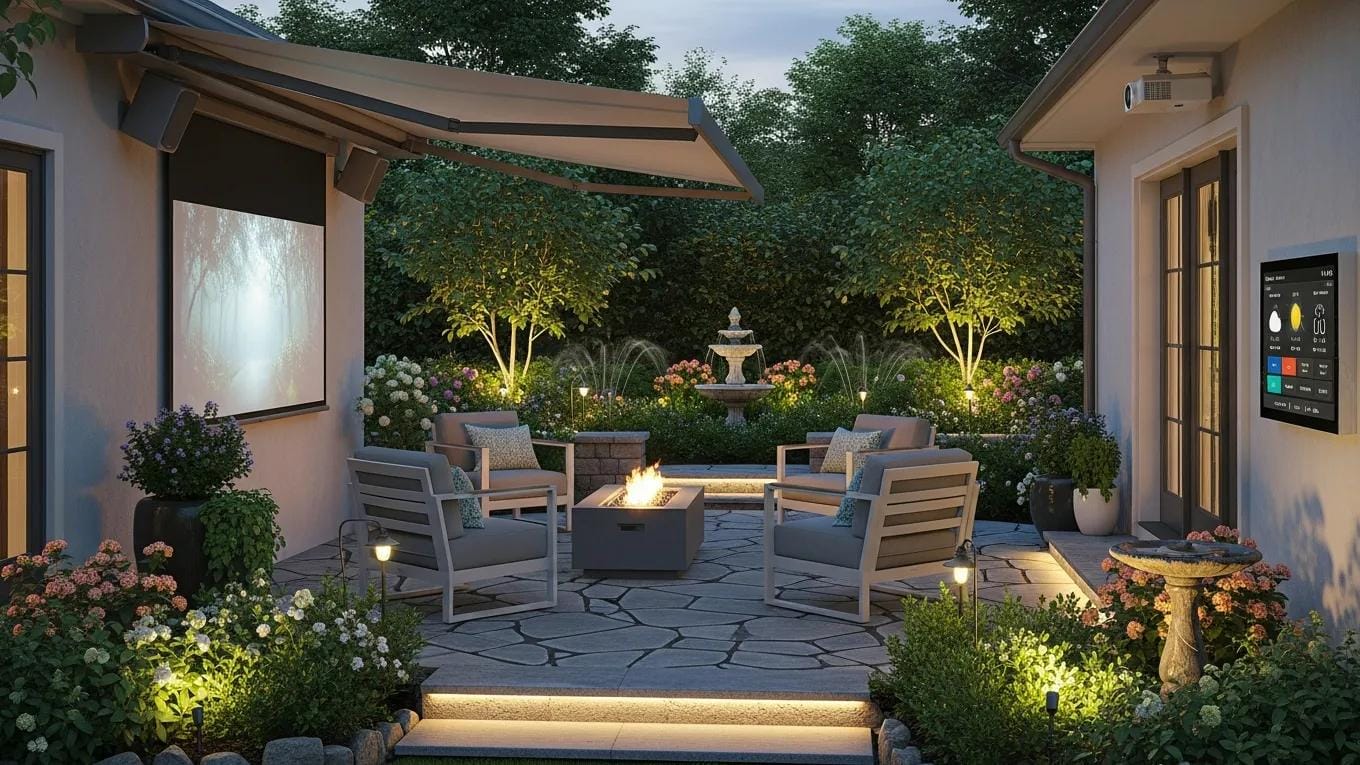
Lighting is another detail that is often overlooked. Traditional bright white lights can attract insects, while warmer or yellow-toned LED options tend to draw fewer mosquitoes. Making this simple adjustment can improve the comfort of your outdoor space, especially in the evening when mosquito activity is at its peak.
Building A Long-Term Mosquito Control Routine
The most effective approach to mosquito control is one that becomes part of your regular routine. Rather than relying on a single solution, it helps to think in terms of layers. Each small effort, whether it is clearing debris, maintaining drainage, or adjusting lighting, contributes to a larger system that keeps mosquitoes from gaining a foothold.
Over time, these habits require less effort because your space is already set up to manage common issues. You are not starting from scratch each season. Instead, you are maintaining a system that continues to work in the background.
With consistent care and a balanced approach, your outdoor living space can remain comfortable and usable throughout the year. It becomes a place where you can relax without constantly dealing with the distractions that mosquitoes bring.
Conclusion
A beautiful landscape doesn’t have to come with a swarm of mosquitoes. By incorporating strategic design elements, you can significantly reduce pest populations while maintaining an inviting outdoor space. For professional landscaping solutions that prioritize both beauty and comfort, trust JR Artisan Outdoors.
Ready to enjoy your backyard again without the buzz? Call (470) 762-0777 or visit our website to request your free quote today. Let our team help you create a landscape that’s as functional as it is stunning—keeping mosquitoes at bay naturally and effectively.